In a surprising reversal of fortunes, yesterday ex‑defence minister Mykhailo Fedorov delivered a YouTube video demanding that Ukraine hold a presidential election during its ongoing war with Russia.
Fedorov—35, a former energy policy chief turned defence minister—has long been a charismatic voice on Ukraine’s fight for sovereignty. He was dismissed last month after a clash with the army chief, and his brief tenure is now seen by many as a key turning point in the country’s war drive.
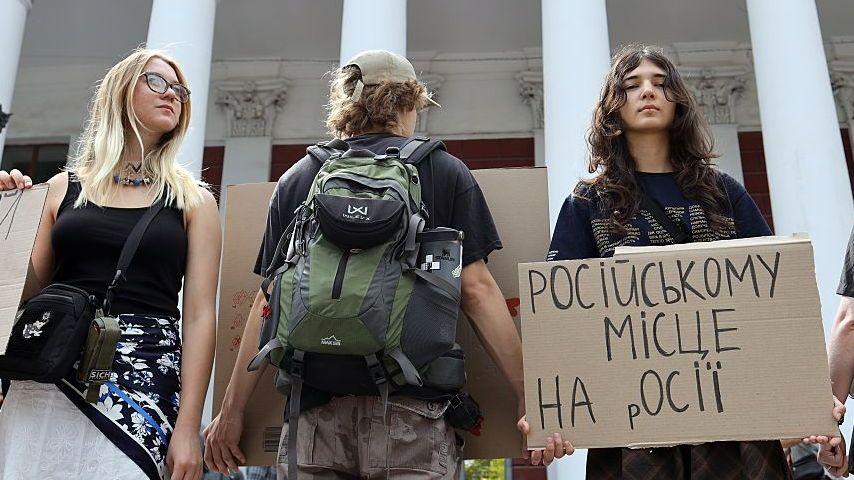
He argues that “democracy cannot be held hostage by Russia” and that Kyiv must refuse to surrender the democratic process by allowing martial law to stall elections indefinitely. The call was met with a mix of support and scepticism: demonstrations outside Parliament saw while some called for Fedorov’s reinstatement, a sizable crowd also voiced their worries that elections would destabilise the country’s unity.
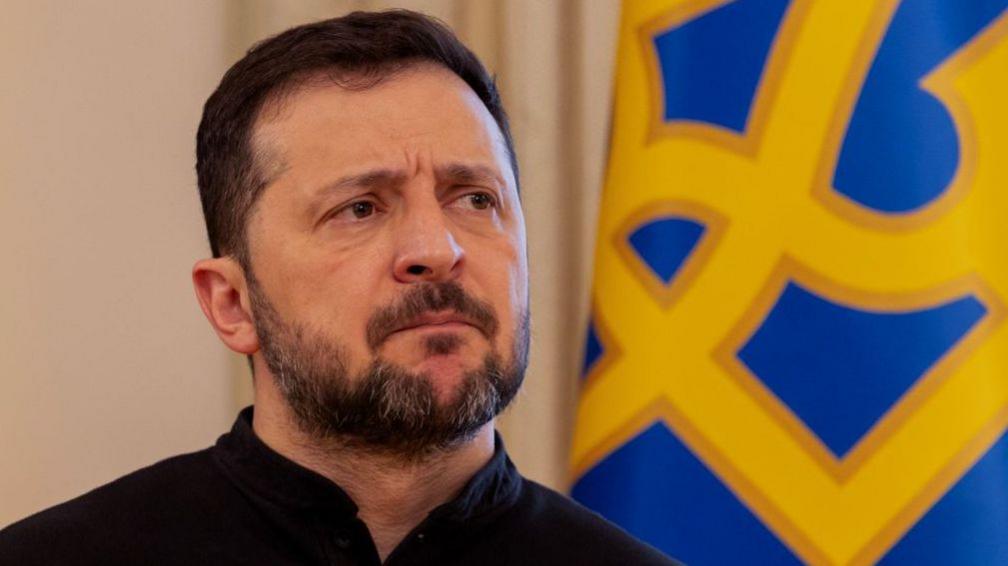
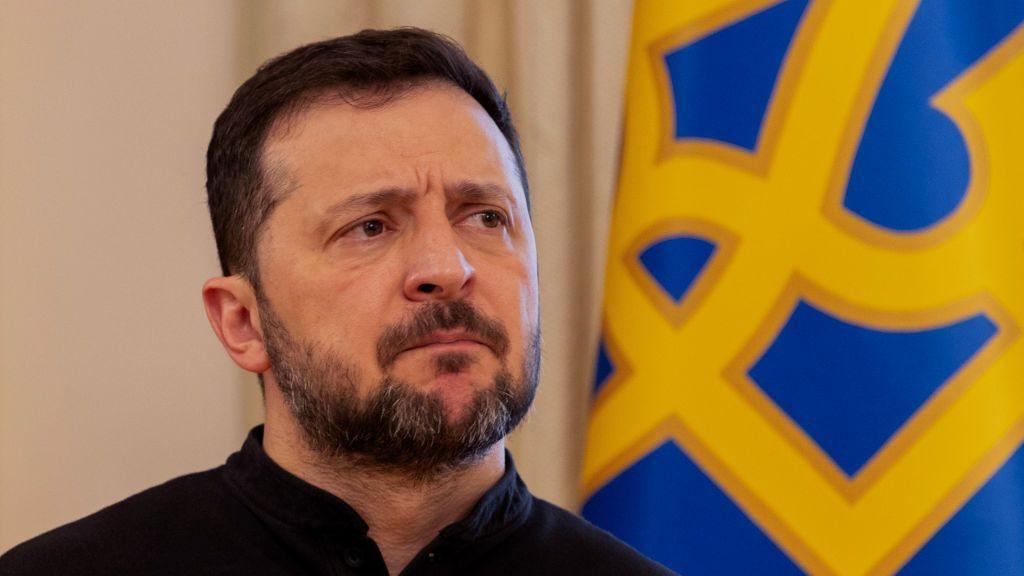
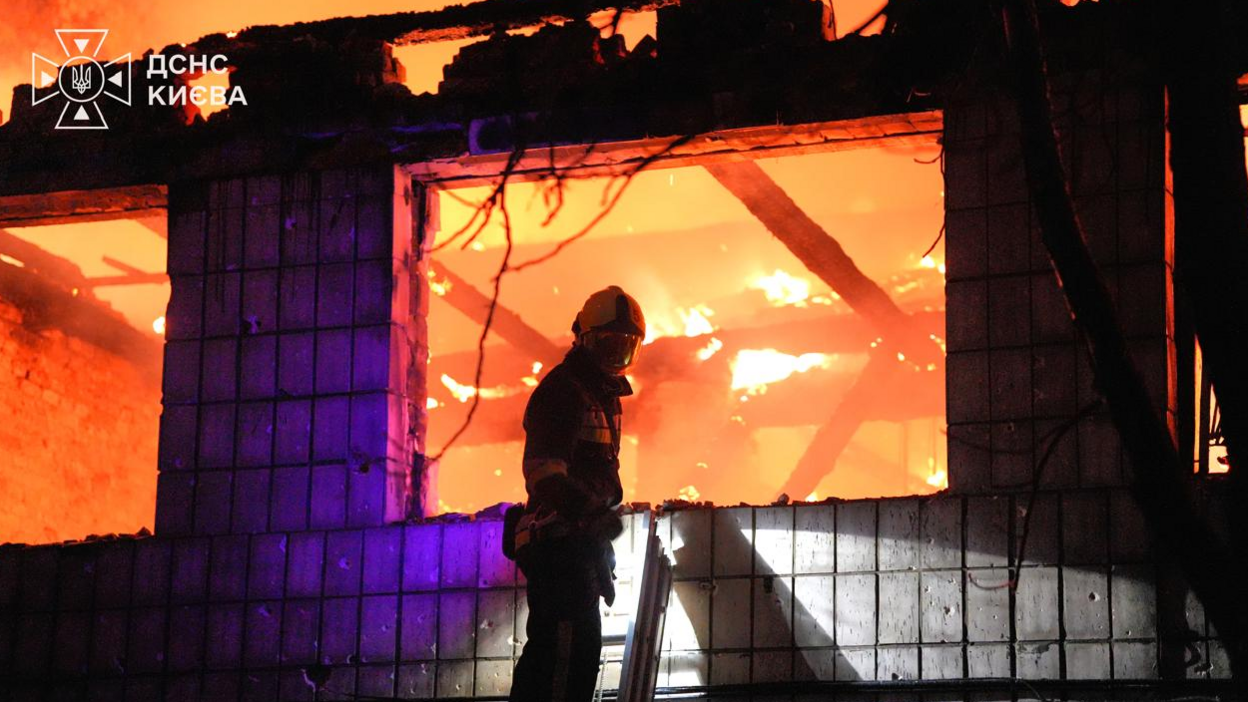
President Volodymyr Zelensky has so far stayed silent on the video, although his office has warned that organising a fair and secure vote would be “highly improbable” under current circumstances: repeated air strikes, a massive exodus of people, and an active front line all complicate any electoral logistics.
Analysts note that while the call may signal growing frustration with the current political leadership, it also risks handing the Kremlin a narrative of internal discord. In a context where millions of Ukrainians are on the move or serving in the armed forces, the logistics of a national election are daunting.
“These can be dangerous if the country remains under threat,” one source in the presidential office said, underscoring a tension between democratic aspirations and security realities. Others fear that the proposal may undermine the war effort, creating new divisions at a pivotal moment.
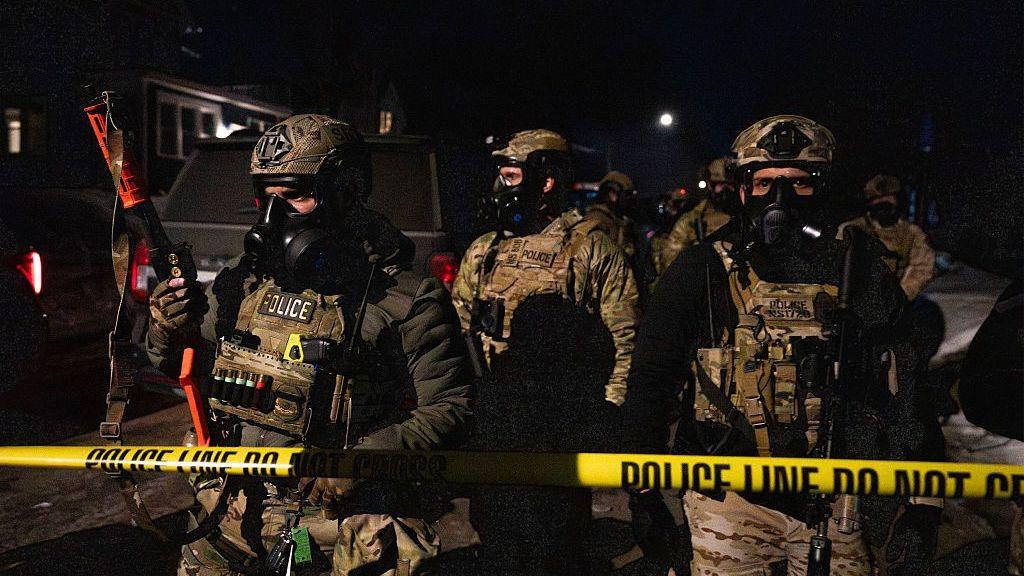
Meanwhile, the disbursement of anti‑corruption resources continues: a special operation targeting MPs and presidential office officials means that the political environment remains highly charged. Protesters also met Iryna Mudra, Zelensky’s deputy head of staff, amid rumors of a raid on her premises. Mudra’s dismissal exposed deeper fissures in the administration.
Fedorov’s intervention, thus, sits at the intersection of a heavily contested political arena and a nation engaged in a full‑scale fight for survival. Whether his call for elections will galvanise a new political coalition or simply add to the war’s post‑battle drama remains to be seen.