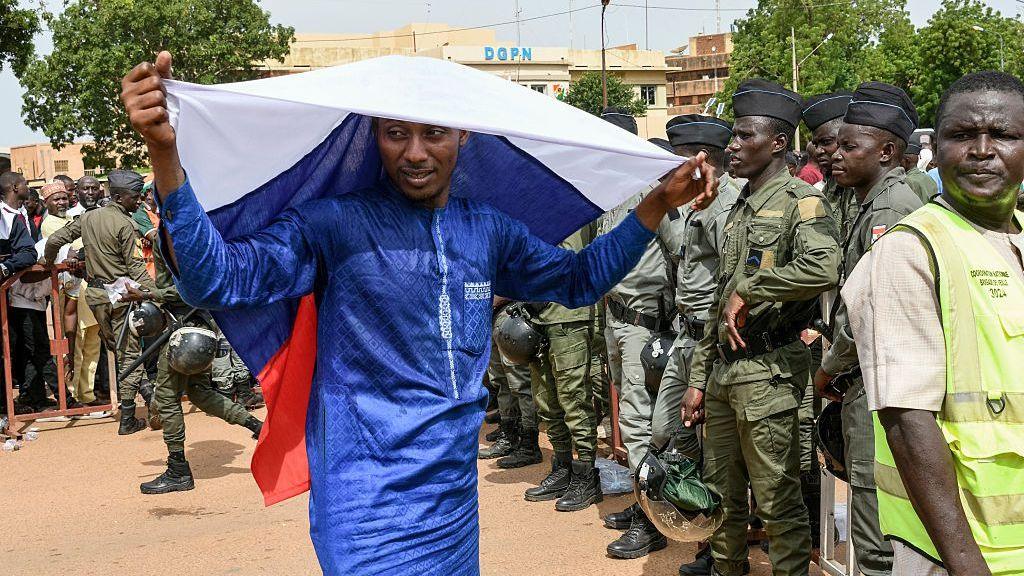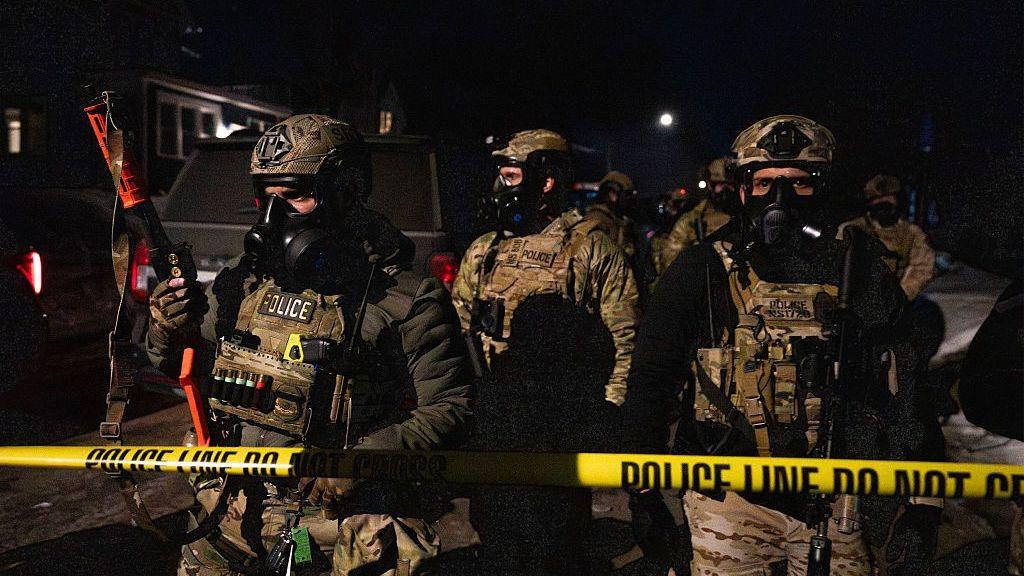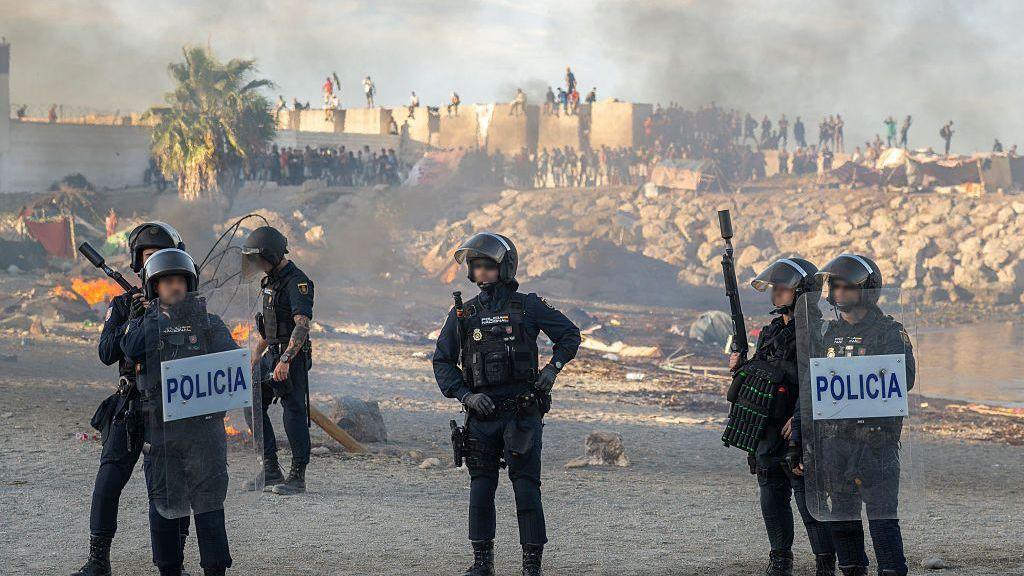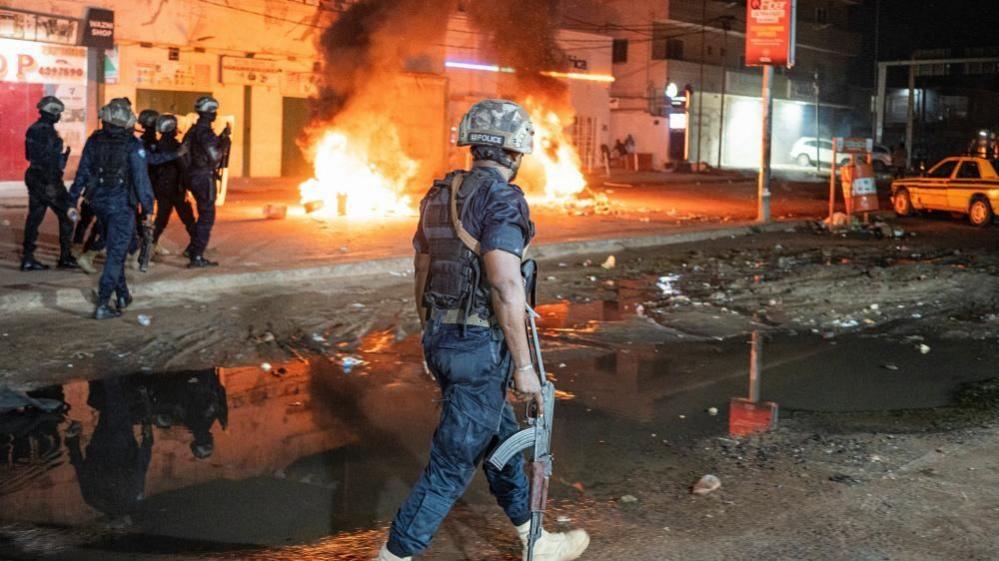
The Gambia’s presidential power plant, the nation’s backbone for 70 % of its electricity, has repeatedly failed during a scorching summer. Residents in the capital Banjul were seen burning tyres and blocking roadways on Monday night after outages lasting up to 48 hours became routine. Police fired tear gas in the Westfield area and crowds stormed the headquarters of the national utility, Nawec, chanting “Barrow must go.”
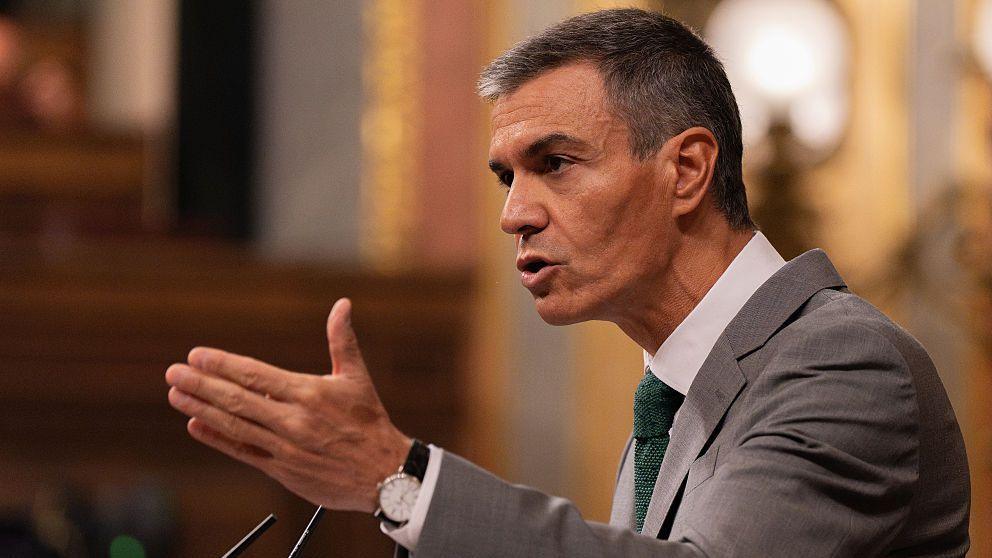
In a calm televised address late Tuesday, President Adama Barrow acknowledged the hardship that “fans have stopped turning, children work in the dark, mothers throw away stale food, and the heat is unbearable” but warned that “destroying public infrastructure in a moment of anger will worsen the disruption and divert money towards repairs.”
Barrow offered concrete plans: a 24‑megawatt generator is being installed at the Brikama power station and slated for commissioning by the end of next month; a 50MW solar plant in Soma has also been awarded a contract, though it lacks a completion date. He pledged that additional generators would arrive within weeks.
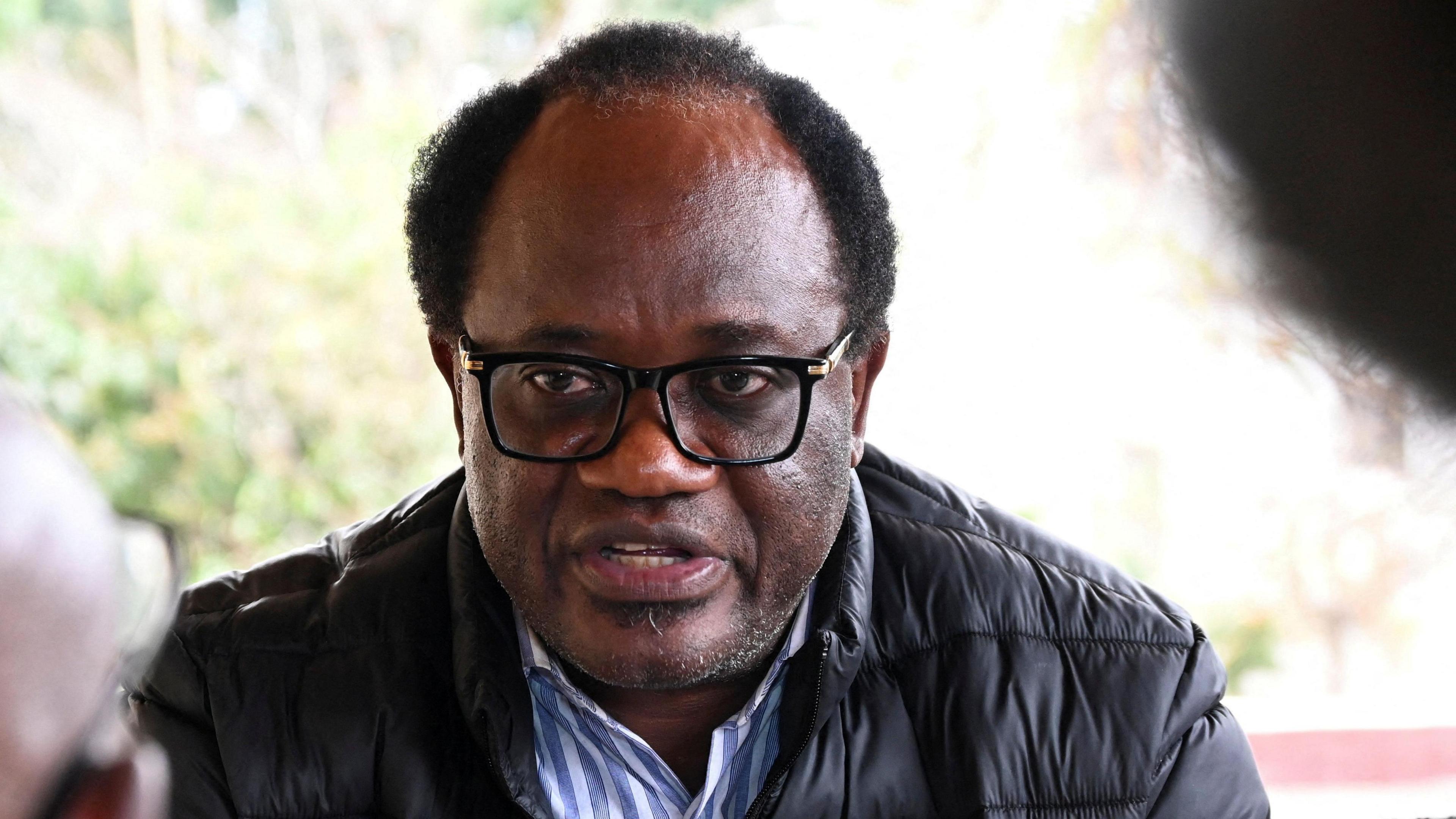
The national grid’s struggles are amplified by climate‑related drops in rainfall, which have reduced renewable generation in West Africa. Nawec’s chief, Gallo Saidy, highlighted that the lower regional imports – still crucial for Gambian supply – were a key factor driving the crisis.
The unrest comes in a politically charged year: President Barrow seeks a controversial third term in December’s upcoming presidential election. Analysts say that the power outages could be a turning point for domestic policy and international scrutiny.
Experts suggest the Gambia’s power system is fragile, with technical failures and an aging fleet of generators. Without a robust, diversified supply chain, extended outages will be hard to avoid.
The government’s public pledge to improve power supplies before the end of October signals an urgent response, but many citizens remain skeptical. As the nation waits for major generators to arrive, the balance between political stability and energy security remains precarious.