In brief
In Port Sudan, water shortages have forced residents like Amina Khalafallah to spend every month’s wage on water, as street vendors charge exorbitant prices. War‑driven displacement and the collapse of the Arbaat Dam have crippled the city’s water supply, which now meets less than half of demand. Experts warn the situation threatens public health as restoration efforts lag.
Port Sudan, a key Red Sea port in eastern Sudan, is facing a dire water crisis as families like the Khalafallahs spend their entire monthly salaries on basic water supplies. The conflict and displacement that have plagued Sudan for more than three years have pushed the city’s water system into an emergency state, with suppliers charging 1,000 Sudanese pounds for only 18 litres.
Background
Suited by a war that has crippled the national economy, Sudan’s average incomes have slipped to levels last seen in the early 1990s, says the United Nations Development Programme. In an inland economy already struggling with inflation, the demand for water in Port Sudan outpaces the supply by a large margin.
The city’s water infrastructure was severely weakened by the August 2024 collapse of the Arbaat Dam, located in the Red Sea Hills northwest of the port. Heavy rainfall and flooding tore apart the dam, causing widespread damage to nearby villages, pipelines and wells, and denying Port Sudan the water that used to come from the reservoir.
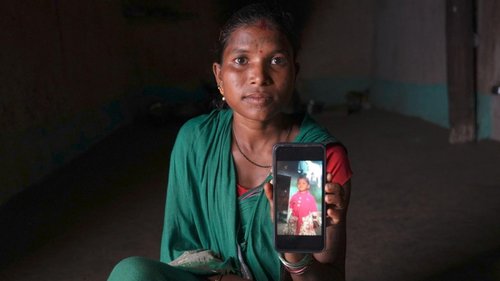
Amina Khalafallah, who lives in the Deim Mayo neighbourhood, has no direct access to a piped water network. Rather, she relies on street vendors who sell water for 1,000 Sudanese pounds each. Over a 30‑day month, that amounts to 300,000 pounds — the equivalent of her entire monthly salary.
"We make sure to set aside money for water in the summer before covering our other household needs, even if that means going without some essentials," Khalafallah told Al Jazeera.
She is forced to borrow money sometimes, the implications for her children are severe, and health concerns add, as is called for by experts in connection with water contaminants and lack of sanitation.
AfDB officials emphasize that safe water access is one of Sudan’s most urgent needs. The African Development Bank says that downtown Port Sudan’s supply is meeting less than 40 percent of demand, and that millions of children are at risk of waterborne diseases.
The war has further strained the supply network in Port Sudan, a city largely spared from conflict in other regions but which now serves as a refuge for the displaced. The influx pressured an already fragile water system, causing providers to increase supply contracts and costs.
Despite calls from UN agencies and the AfDB, funding for water‑distribution repairs has been slow. In the past year, restoration efforts have raised 250,000 Sudanese pounds—still a fraction of the costs required for the collapsed dam, the damaged pipelines and two sewage treatment plans that were postponed by the war.
Public health experts warn that continued shortages will heighten disease outbreaks, especially in hot months when water availability shrinks further. The lack of potable water also places customers in a dilemma: they must choose between essential supplies and water, amplifying social inequities in the region.
In summary, as war remains a living hardship in Sudan, cities like Port Sudan confront water shortages deepening with each passing day. Families—many of whom were once comfortable—must now trade almost entire incomes to keep the tap running, while health risks loom large and infrastructure remains fragile.