
In brief
On October 30, 2026, Russian and Ukrainian officials reported increased military activity, including the interception of 113 drones and a strike on an Odesa‑bound cargo vessel, while Ukrainian forces logged 211 engagements and 1,590 Russian casualties. Civilian deaths in Dnipro, Chernihiv, and Kremenchuk prompted a mourning declaration and an emergency UN Security Council meeting request. President Zelenskyy is set to visit Turkey to discuss Black Sea security amid these escalations.
On Friday, October 30, 2026, as the Russia–Ukraine war entered a new phase of heightened intensity, Moscow and Kyiv both released reports that underscored a surge of military actions, the loss of personnel, and civilian casualties across the conflict zone. Russian officials announced that they had intercepted 113 Ukrainian drones over several regions and struck a military cargo vessel south of Odesa, while Ukrainian officials claimed that their General Staff had recorded 211 combat engagements and recorded 1,590 Russian personnel killed in the last 24 hours. The violence also spilled over into civilian areas, with deaths reported in Dnipro, Chernihiv and Kremenchuk, prompting Ukraine to declare a period of mourning and fast-track a request for an emergency meeting of the United Nations Security Council.
The WAM report characterizes the day as one in which “military and political developments [were] intensified,” citing Russian claims of widespread drone interceptions and an impact on the Black Sea maritime corridor. The Ukrainian General Staff, in turn, listed the 211 engagements as “combat operations” that had produced significant Russian losses, though it did not offer detailed figures beyond the 1,590 personnel count. This stark discrepancy in reported casualties is among the key open questions that analysts and observers are grappling with.
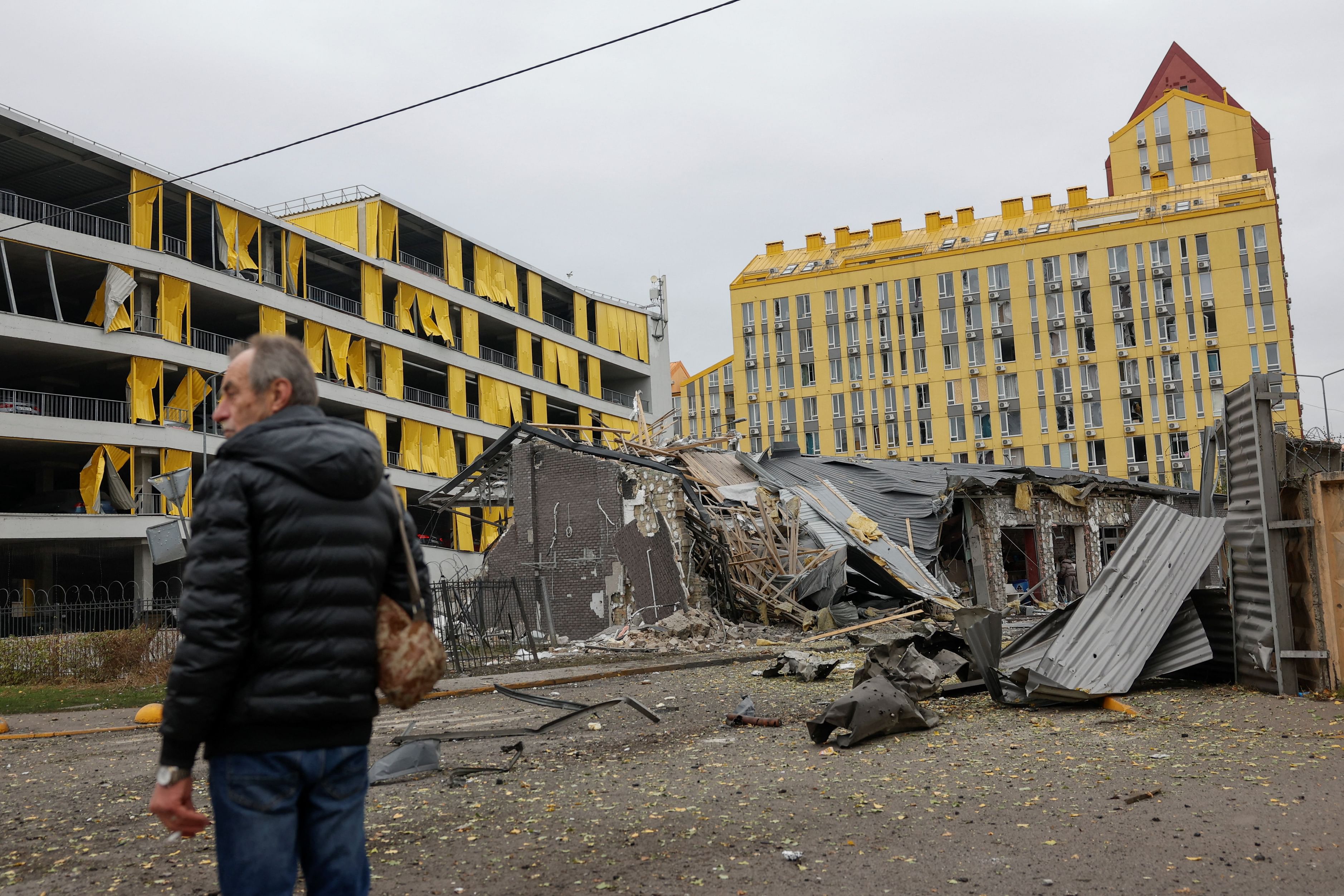
Ukrainian sources also reported that the latest Russian attacks had killed and wounded dozens of civilians in the three cited cities, a toll that has led Kyiv to formally mourn and appeal to the international community. The WAM article notes that Ukraine’s Foreign Ministry maintained that the strikes, conducted deep inside Russian territory, represented a “legitimate” response. Yet the exact nature of the targets, especially whether Kyiv's strikes on Russian energy infrastructure were retaliatory or preemptive, remains contested.
In a separate presentation, Alexey Likhachev, Director General of Russia’s state nuclear energy corporation Rosatom, publicly accused Ukrainian authorities of attempting to target personnel at the Zaporizhzhia Nuclear Power Plant. While the WAM source does not provide a verbatim quote, it records Likhachev’s statement as a formal admonition against what he described as an unacceptable escalation toward a nuclear site. The international community closely monitors any possible attacks on such facilities, given the potential for catastrophic fallout.
The escalation also extended to Russia’s energy sector. Russian Deputy Prime Minister Alexander Novak stated that Ukrainian attacks had aimed at three oil refineries and a petrochemical complex, signaling the breadth of energy infrastructure under threat. Novak added that these strikes would likely have a limited impact on global diesel markets, affirming confidence in the resilience of the global energy supply chain. The same day, yet another wave of attacks led to emergency power outages in the Dnipropetrovsk region, further highlighting the conflict’s reach into civilian infrastructure.
Kremlin spokesman Dmitry Peskov defended the Russian military operations, saying that “the aim is to deprive Kyiv of its offensive capabilities.” This statement aligns with the narrative that the Russian side views its actions as defensive, meant to frustrate what it sees as an excessive Ukrainian push into Russian territory. The boundary between defense and aggression remains a contentious point in diplomatic circles.
Amid the container of military episodes and public statements from both sides, President Volodymyr Zelenskyy is scheduled to head to Türkiye starting Saturday. The visit, which is by the invitation of President Recep Tayyip Erdoğan, is intended to discuss Black Sea security and the current state of the conflict. The WAM report highlights the visit as a key diplomatic lever, noting that Ukraine hopes the meeting will bring political momentum to further pressure Russia.
Beyond the immediate military dynamics, the report hints at an undercurrent of broader geopolitical negotiations. It notes that the Kremlin denied knowledge of a proposal by former U.S. President Donald Trump for a potential three-way telephone call involving the leaders of Russia, the United States, and Ukraine. The dismissal of that proposal reflects the complexity of multi‑party diplomatic efforts amid the war.
As the United Nations calls for an emergency meeting of the Security Council, the world watches to see whether the diplomatic pressure will translate into tangible changes on the ground. Ukrainian officials have reiterated that their recent strikes into Russian territory were within the bounds of international law, a claim that Russia has disputed.
Overall, the day’s reports reveal a conflict on a steep, relentless trajectory, underscored by a spate of drones, energy infrastructure attacks, and civilian casualties. Zelenskyy’s planned trip to Turkey adds a significant diplomatic dimension that may shape future strategies among the international community.
