The United Kingdom has imposed a new import ban on goods produced in Israeli settlements, a move that will have immediate consequences for the Jordan Valley where Medjool dates are a major export crop. The ban is part of a broader “comprehensive reset” of the UK’s policy on Israel, echoed by several European governments that are tightening trade restrictions on settlement produce.
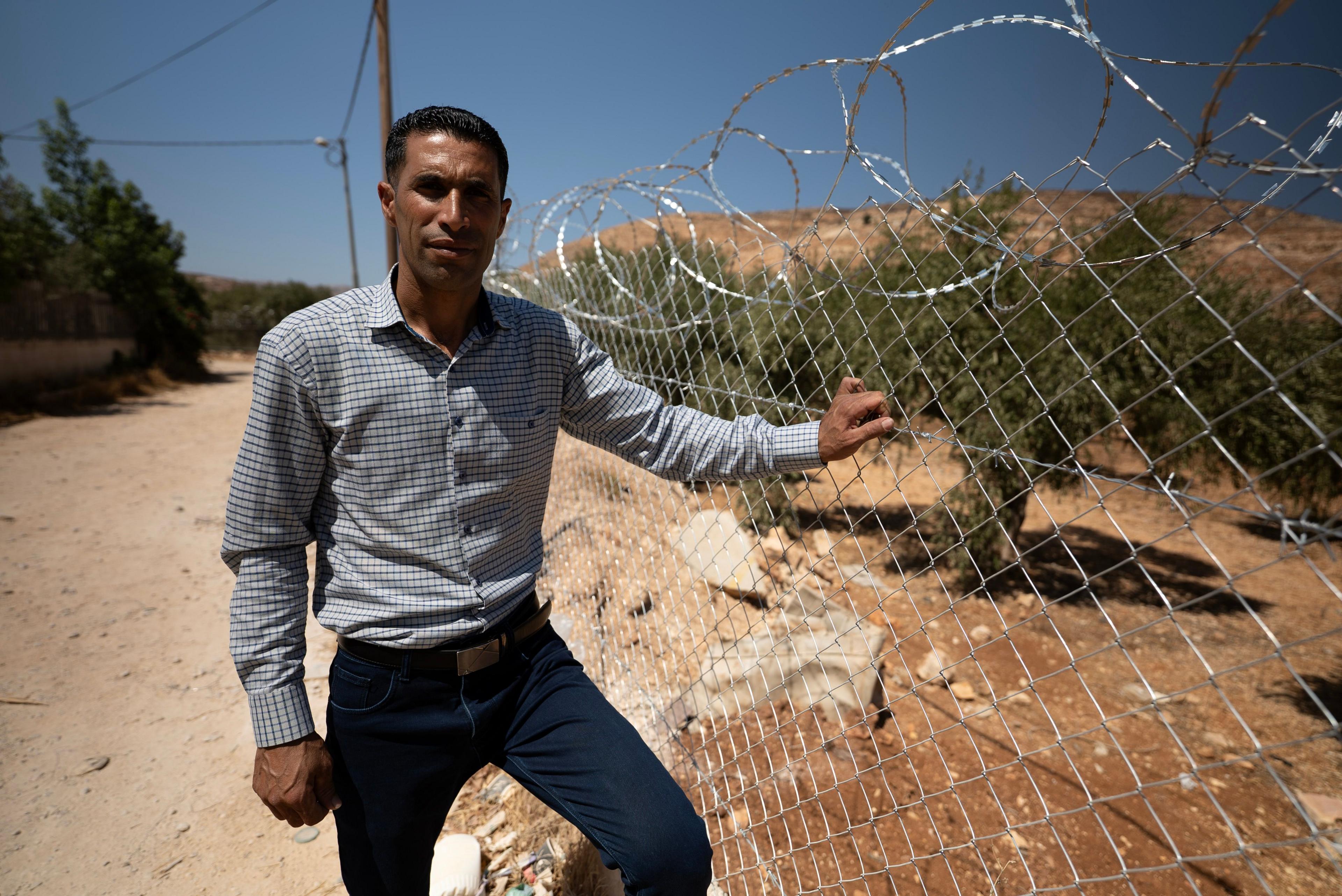
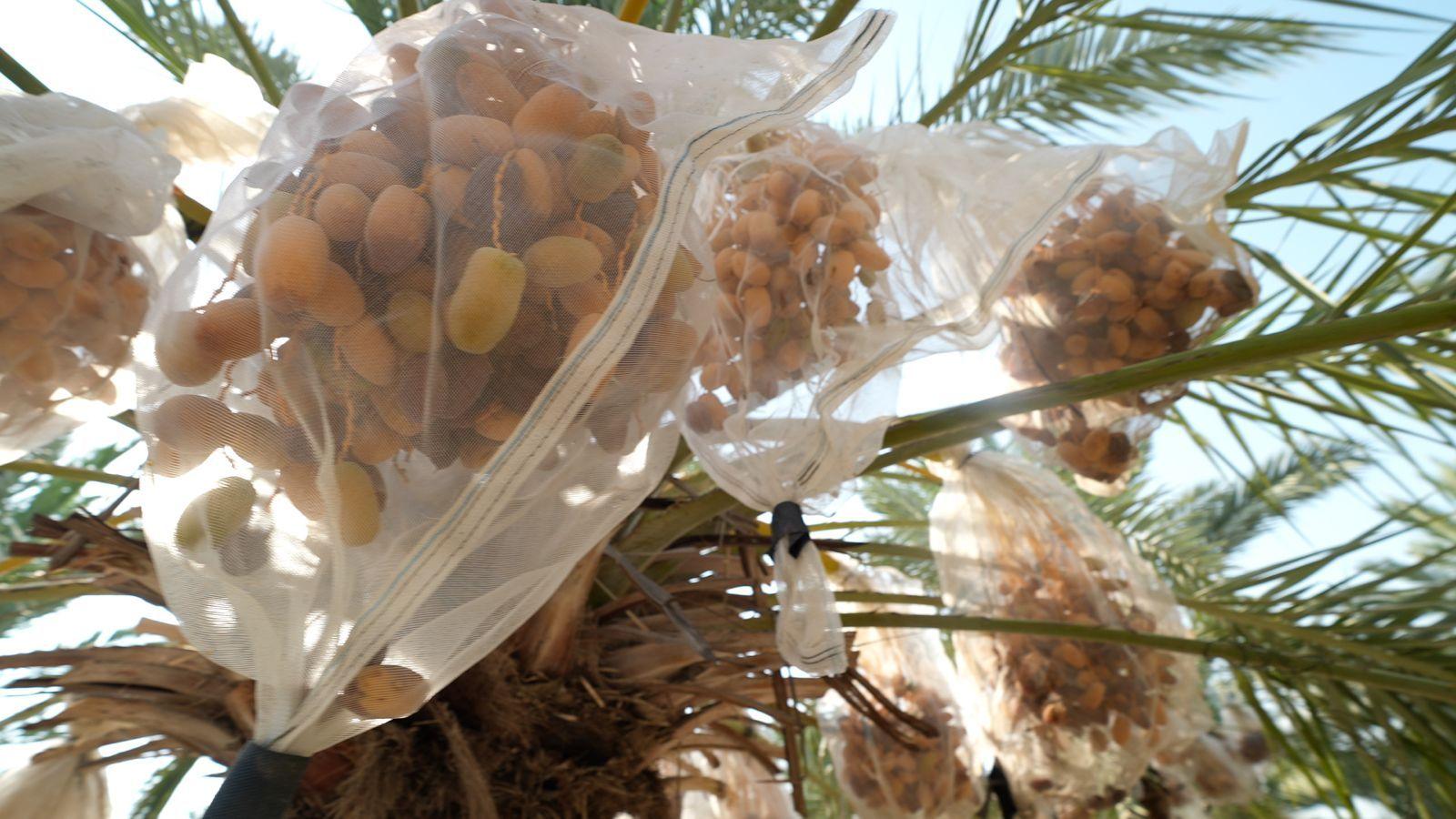
Israel’s settlement farms are hit hard by the announcement. Avigdor Arbel, a date farmer from the kibbutz‑style settlement of Mesua, described the boycott as “really disgusting” and warned that his orchard of 1,200 mature date palms that would normally deliver a handsome harvest is now at risk if European markets shut down. Arbel told reporters that he had already diversified his sales network – taking his dates to the United States and – more recently – to India – as a precaution against the UK ban.
The Palestinian side of the valley has long suffered water shortages that leave half of the date palms fruitless. Abdul Halim, a farmer whose orchards lie in al‑Ouja, said “We have not got the water we need to keep the trees alive.” The scarcity is a structural flaw that has been exacerbated by the expansion of settlements, which many Palestinian farmers feel have “pirated” water infrastructure and local springs.

In response, Israel’s Minister of Foreign Affairs Gideon Saar called the policy a “blatant interference” in the country’s sovereign affairs and announced a series of counter‑measures, including the closure of the British consulate in East Jerusalem and the expulsion of British officials from the International Gaza Support Centre. However, many within the UK’s Parliamentary system have welcomed the ban, citing police reports that settlement farmers have broken British law in the past when supplying under‑age dates without licenses.
Legal experts say the ban will likely be self‑enforcing, because any fraudulent mislabeling of settlement produce would simply trigger a return of the shipment, creating a high financial cost for companies that would otherwise import such goods. A recent report by Global Echo estimated the financial penalties that would cut a trade corridor between Israeli farms and the EU into a murk of bureaucracy, making it equally hard even for Palestinians to enter the market.
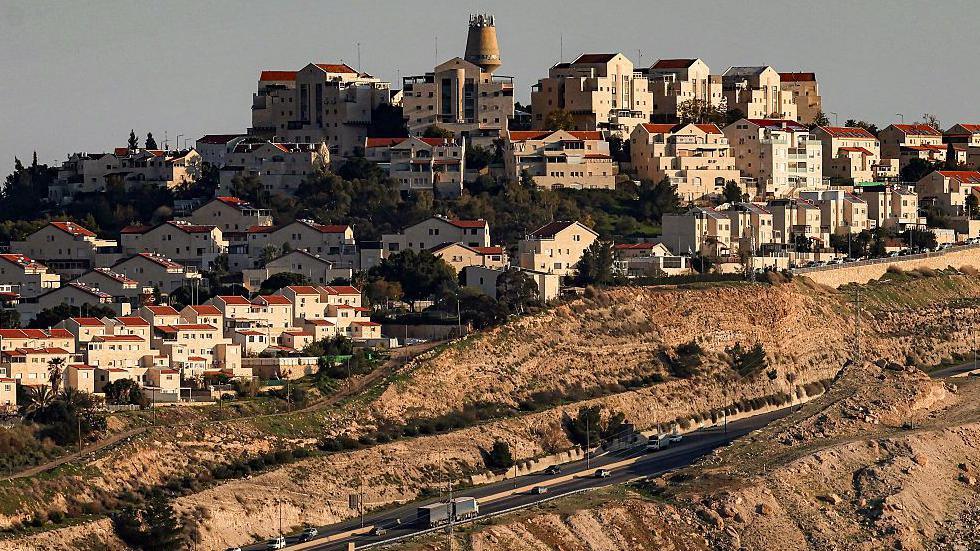
The Jordan Valley continues to become a flashpoint for settlement expansion; the Israeli government has pushed families into the area to solidify claims, while Palestinian communities report increasing violence and the appropriation of local springs. With the UK’s ban in place, the temptation for merchants to avoid the valley’s produce may rise, but it is unlikely to solve the underlying dispute over water, borders, and the future of the West Bank.