In brief
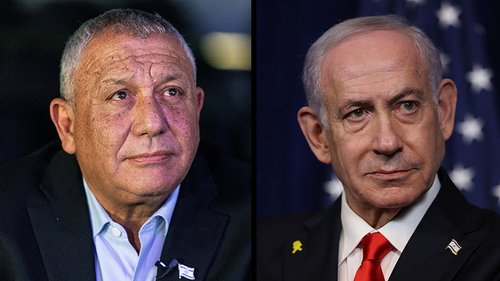
Israel's recent election saw a close contest between incumbent Prime Minister Benjamin Netanyahu and former Chief of Staff Gadi Eisenkot. Both leaders hold divergent views on the nation's stance toward Gaza and the occupied West Bank, with Netanyahu favoring hardline security measures and Eisenkot leaning toward diplomatic engagement. The outcome will shape Israel's foreign policy, potentially recalibrating its approach to the Gaza conflict, humanitarian aid, and relations with regional partners. Analysts warn that a Netanyahu victory could harden policies, while Eisenkot’s win may open avenues for renewed negotiations. The global community watches closely, as any shift may ripple through Middle Eastern geopolitics and international diplomatic efforts.
The 2026 Israeli election, seen by many as a turning point in the country’s political trajectory, has been marked by a razor‑thin contest between two heavyweights: incumbent Prime Minister Benjamin Netanyahu and former military chief Gadi Eisenkot.
While Netanyahu’s platform has consistently emphasized a hard‑line approach to security, particularly regarding Gaza, Eisenkot proposes a shift toward diplomatic engagement and negotiation, seeking avenues for truce and normalisation with Palestinians.
The stakes are high: a Netanyahu win could mean intensified military operations and tightened blockades, potentially igniting further humanitarian crises; an Eisenkot victory might open talks, enable aid corridors and reshape Israel’s regional alliances.
Regional actors—ranging from Gulf states to European powers—are monitoring the verdict closely, as it will influence not just immediate ceasefire prospects but long‑term stability across the Middle East.
With global attention on the outcome, the choice between a security‑first or diplomacy‑first path will dictate Israel’s future role in advocating for peace, responding to humanitarian needs, and confronting the realpolitik of a volatile region.