In brief
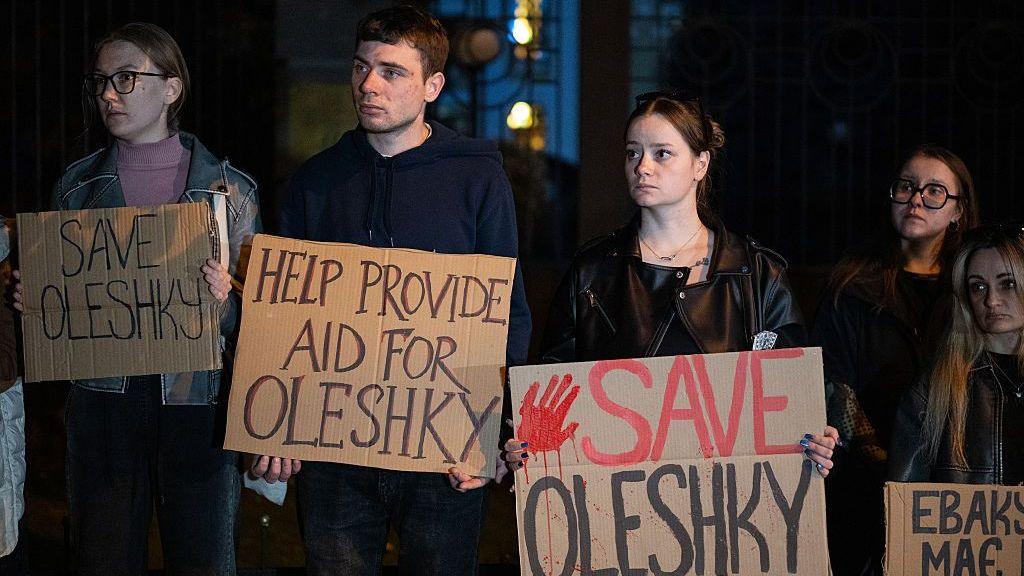
In a surprising diplomatic move, Melania Trump announced a ceasefire in the Russian‑occupied Ukrainian city of Oleshky, 25 km south of Kherson. Officials confirmed hostilities had stopped, enabling essential aid deliveries and the evacuation of stranded residents. Russian forces halted shelling at 0400 Moscow time, and Ukrainian negotiators pledged to honour the truce. The city, once home to 24,000, now has only about 6,000 survivors, including 200 children. The move follows Trump’s broader humanitarian engagement—her 2025 letter to President Putin and ongoing appeals for civilian protection amid the war.
In the first half‑hour of civil‑and‑humanitarian action, the city of Oleshky has entered a ceasefire period, thanks to the mediation of US First Lady Melania Trump.
Russia’s defence ministry announced on Telegram that it had stopped firing toward Oleshky at 04:00 Moscow time (01:00 GMT), in preparation for a humanitarian operation that would allow aid deliveries and evacuate civilian residents caught between Ukrainian forces and Russian occupation.
Oleshky lies on the south bank of the Dnipro River, a frontline dividing Ukrainian positions in Kherson and Russian troops to the east. The city’s remaining residents faced severe shortages of food and supplies.
Ukraine’s parliament commissioner for human rights, Dmytro Lubinets, confirmed on Facebook that the ceasefire had begun and that the Ukrainian side was honouring its commitments. He added that Oleshky, seized by Russia in February 2022, had shrunk from a population of 24,000 to approximately 6,000, including 200 children.
The White House last week reported that Melania Trump secured the truce. “Non‑military, civilian leaders from both countries will work together to visit Oleshky residents in their homes and determine the level of assistance they require,” the office said in a press release.
While Trump is rarely a public figure, she has organised humanitarian outreach, including a 2025 letter to President Putin urging the protection of children and future generations in the conflict.