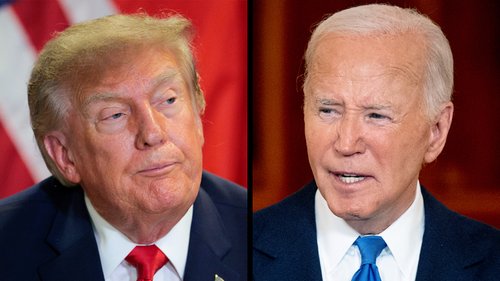
President Donald Trump announced on Tuesday that his administration would roll back regulations aimed at curbing methane emissions from oil and gas operations, citing cost savings and a boost to domestic energy production. The announcement came during a campaign rally in Texas, where Trump said his administration was “terminating” the “Biden‑era” rules that require companies to limit methane leaks from drilling operations. U.S. fuel prices have surged after geopolitical tensions with Iran intensified, putting pressure on consumers and lawmakers ahead of the November 3 midterm elections. Trump framed the rollback as a way to ease energy costs and lower household bills.
According to a Xinhua report, Trump claimed the change would save consumers and producers $45 billion and unlock Texas natural gas to allow for an additional 210 million barrels of oil. The president said, “Tonight, I'm officially terminating Biden's expensive and unnecessary methane regulations to save consumers and energy producers 45 billion dollars,” during his Lubbock rally, adding that the move would “unlock vast quantities of Texas natural gas.”
The roll‑back would eliminate a program for identifying and addressing major methane leaks, ease requirements for low‑producing oil and gas wells, and relax restrictions on routine flaring of natural gas at oil wells, the U.S. Environmental Protection Agency said in the report. These changes mirror the Biden administration’s 2022 rule that imposed national methane emission limits on oil and gas producers, which many industry groups had challenged as burdensome.
Methane, the main component of natural gas, is the second‑largest cause of global warming after carbon dioxide, according to the International Energy Agency. The United States is the world’s leading emitter of methane from its oil and gas sector, followed by Russia. Texas is by far the leading fossil fuel‑producing state in the United States.
Environmental groups have expressed concern that the rollback will raise U.S. emissions, potentially undermining climate commitments. They argue that the methane rules were designed to reduce leakage, which can also lower greenhouse‑gas emissions and promote economic savings in the long run. The White House, however, says the new policy will help maintain U.S. energy independence and keep energy costs lower for Americans.
The political context is significant because fuel prices have become a liability for Trump and Republicans, as voters increasingly demand lower energy bills. Trump’s announcement coincides with a period of escalating U.S. tensions with Iran, which analysts say has contributed to rising fuel costs on the global market. By rolling back the rules, the administration hopes to counteract the economic impact of those tensions.
Questions remain regarding the implementation timeline and the extent of compliance that will be required from industry operators. Industry groups say the rollback will reduce regulatory burdens, but they have warned that weaker methane controls could impose long‑term costs if emissions lead to stricter future standards or carbon pricing. The U.S. government has not yet issued a definitive schedule for phasing out the rules or detailing enforcement mechanisms.
The rollback also raises broader policy debates about balancing domestic energy interests with climate goals. The Biden administration had pledged to cut U.S. greenhouse‑gas emissions by 50%–52% by 2030, a target that could be challenged by a reduction in methane regulations. The outcome of this policy shift will be closely watched by lawmakers, industry leaders, and environmental advocates praising or condemning the decision as a step toward energy independence or a regression in climate governance.
“Tonight, I'm officially terminating Biden's expensive and unnecessary methane regulations to save consumers and energy producers 45 billion dollars.”
Trump’s statement reflects his administration’s broader emphasis on promoting energy production and reducing what it calls excessive federal regulations. The move comes as the U.S. seeks to maintain its competitive edge in global energy markets while coping with external economic pressures and domestic political imperatives.
As the midterms approach, the policy reversal is likely to become a focal point of both campaign promises and editorials debating the tradeoff between economic growth and environmental stewardship. Whether the rollback will ultimately improve household energy costs or exacerbate emissions will depend on the policy’s exact wording, implementation, and the industry’s compliance strategy. The Trump administration’s agenda, the industry’s response, and the climate community’s critiques will shape the trajectory of U.S. methane regulation for the foreseeable future.