In brief
Recent statistics reveal that 23% of China’s population is dependent on seniors, surpassing the 22% dependent on children. With 223 million people aged 65+, the aging workforce threatens pension schemes, healthcare and growth. The one‑child policy’s legacy and rising living costs have stoked low birth rates, while the state intensifies support for seniors. Experts warn that the silver economy could bring new opportunities, but the strain on public finances remains sharp.
For the first time in its history, China’s families are supporting more elderly relatives than children—official data released this week shows the percentage of people whose incomes depend on seniors is now 23%, just ahead of the 22% of households that rely on children.
The National Bureau of Statistics reports that 223 million Chinese are aged 65 or older, making up about 16 % of the population, while the 213 million children aged 14 and under fall slightly behind. This demographic swing is a wake‑up call for Beijing, as the aging workforce signals potential slow‑downs in productivity and growth.
The one‑child policy, in place from 1980 to 2015, has left a generation gap that is now widening. Policymakers have urged couples to marry earlier and to have more children—yet birth rates have plunged to historic lows, driven in part by gender role changes, soaring living costs, and higher education levels.
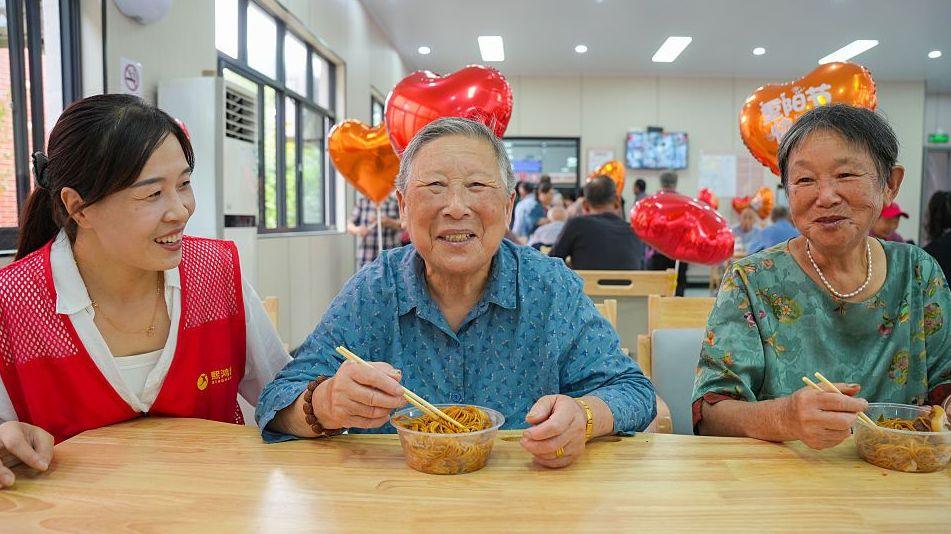
Faced with an older population, the government has stepped up pension subsidies: by the end of 2025, more than 53 million elderly residents received state allowances. However, analysts warn that the strain on pension and healthcare budgets will grow unless new funding models emerge.
"If labour supply contracts while dependence on seniors grows, China’s economic growth could stall," says Mu Zheng, a sociology lecturer at the National University of Singapore. Likewise, Professor Stuart Gietel‑Basten from HKUST notes that a focus on dependency ratios risks oversimplifying the picture and "taking agency away" from seniors who often remain active contributors.
On the upside, the demographic trend could foster a robust silver economy, with products and services tailored to healthy, affluent retirees born in the 1950s‑70s. Yet, the shift is symbolic of a societal change that will move public spending from schools and households to pensions, healthcare and eldercare facilities.