In brief
The article follows a dispute over OpenAI’s alleged Navier–Stokes breakthrough and a British company’s ambition to build a biology‑speaking AI from DNA data. It examines how AI‑generated papers, phantom citations and altered peer reviews threaten the credibility of scientific literature, prompting publishers to adopt new integrity measures. Yet the piece also highlights glimmers of hope, citing DeepMind’s AlphaFold and a zebrafish sperm‑egg study that leveraged AI responsibly. The debate underscores a pivotal moment: whether AI can uplift science without collapsing the very trust it relies on.
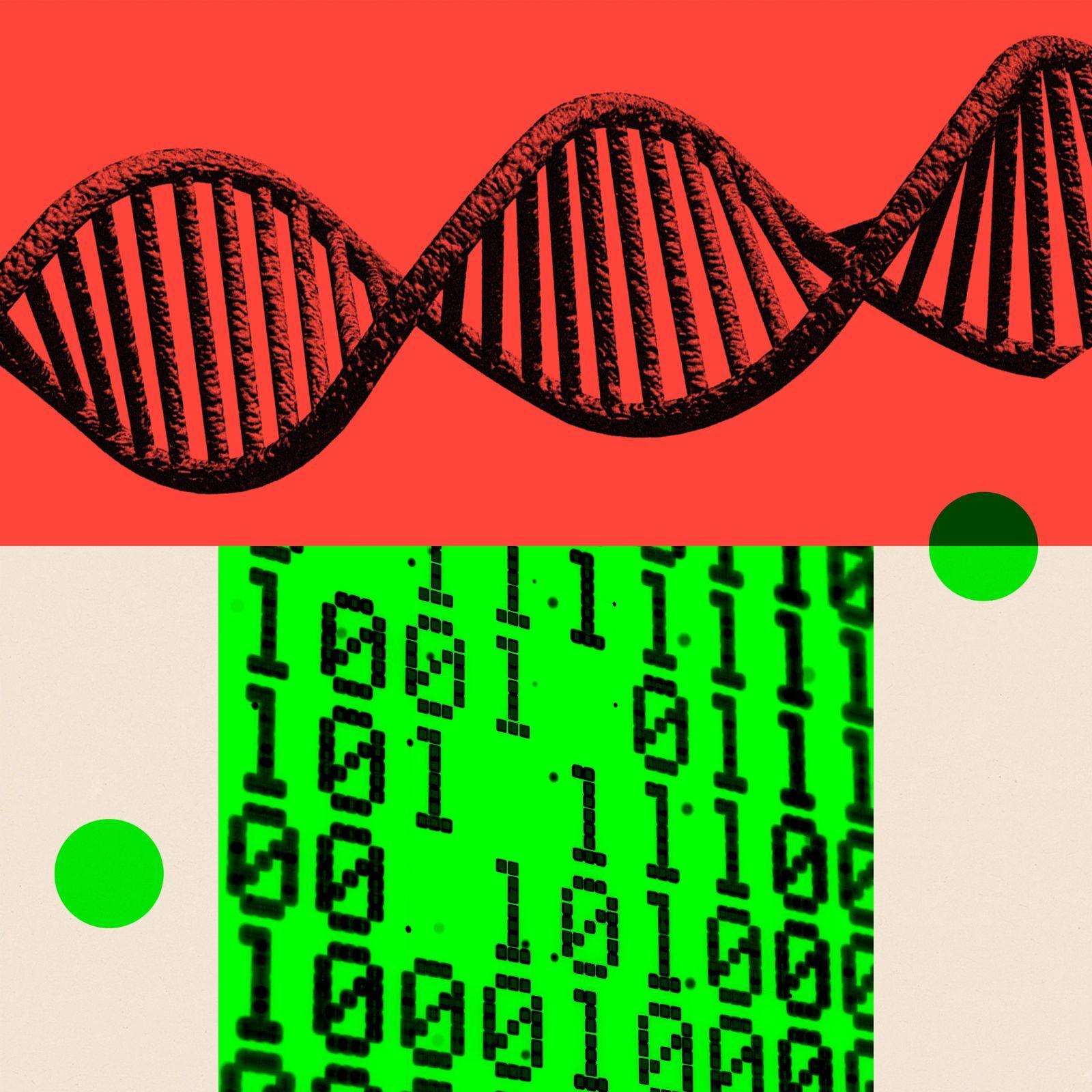
A bank of white freezers hums away at a former watch factory in central London, holding dozens of barcoded glass tubes that together contain one hundred billion genes. Dr Oliver Vince, co‑founder of Basecamp Research, says two tiny boxes of that DNA could hold ten times more information than all the text on the internet, and he hopes to use it to build an AI that learns the "language of biology" the way OpenAI and Google mine text for language models.
The story gained bigger headlines when OpenAI announced it had solved the Navier–Stokes equations in 88 hours, a long‑standing physics problem. But just hours before the claim, mathematician Tristan Buckmaster exposed that two of his collaborators—one working for rival firm Anthropic—had been using OpenAI’s Codex tool to draft research, and he worried that their work might have fed into OpenAI’s algorithmic discovery unnoticed. OpenAI said it “could not have influenced the system” and later denied any cross‑breach of data.
Beyond hype, scholars warn that AI can inject falsehoods into the scholarly record. Studies show thousands of biomedical papers exhibit the fingerprint of large language models, and review reports in top computer‑science conferences contain AI‑generated edits. Fake citations proliferate at a rate of 147,000 phantom references last year alone, and the sheer volume of AI‑written content threatens to erode the public’s confidence in peer‑reviewed science.
Publishers are taking notice. Elsevier now flags papers that trigger 100 pre‑defined integrity signals, Nature bans AI‑generated images, and arXiv bans authors who submit fabricated references for a year. Yet leaders such as DeepMind’s chief scientist Pushmeet Kohli caution that AI is not a panacea; it must be guided by human accountability. At the same time, case studies—like Prof Andrea Pauli’s zebrafish sperm‑egg research and clinical pilots chasing cancer cures—show that AI can accelerate discovery when used responsibly.