In brief
French football star Kylian Mbappé has publicly apologized for a meme‑style joke that referenced Chinese leader Mao Zedong, a comment that lit up Chinese social media and led to the cancellation of his endorsement deals. The backlash saw major Chinese companies, including dairy giant Mengniu and beverage maker Dongpeng, pull the striker from their brands, while state media and the Ministry of Foreign Affairs condemned the remarks. As the conversation unfolded, viewers recirculated the clip with blurred references to Mao, while some critics pointed out the history‑laden sensitivities surrounding the former dictator in China. The incident underscores the tightrope international athletes walk in balancing humor with respect for culturally significant figures.
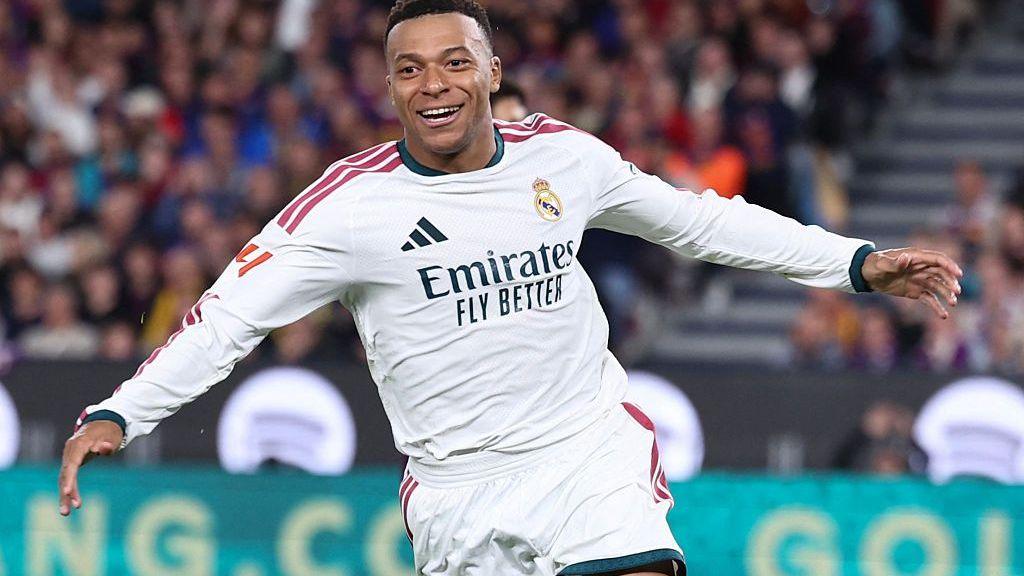
Kylian Mbappé has apologised for “ill‑judged” comments he made about late Chinese leader Mao Zedong, which sparked a wave of criticism on Chinese social media and forced several brands to cut ties with the French striker.
During a French talk show, The Bridge, Mbappé laughed at a meme that compared his face with an image of Mao, a joke that many internet users in China found deeply offensive given the enduring reverence for Mao within the ruling Communist Party.
Immediately following the clip’s circulation, Chinese consumers and brands called for boycotts. Mengniu and Dongpeng both issued statements declaring a zero‑tolerance policy toward language that “hurts the feelings of the Chinese people.” The China State Council Office and Ministry of Foreign Affairs also weighed in, warning that words damaging national sentiment would face widespread backlash.
La Liga and Real Madrid publicly expressed regret over the remarks, highlighting the need for “respect and sensitivity” when addressing a figure of historical importance. The incident also led to CCTV’s news app excluding content about Mbappé and removing Live La Liga matches from broadcast.
Mbappé’s apology came with a statement asserting that the remark was “ill‑judged” and acknowledging the pain caused to many in China and abroad. In the same vein, Spanish media noted how the incident could have negative implications for international football’s relationship with China’s massive fan base.
Beyond the financial fallout, the incident highlights the precarious nature of public figures engaging in humor that touches on historically painful topics. In China, where the memory of Mao’s Great Leap Forward and Cultural Revolution lingers in collective memory, such references are seen as a direct attack on the party’s narrative and national identity.
Images of the original clip have proliferated in a form that blurs the meme and removes the direct reference to Mao, illustrating how digital censorship and user‑generated content attempts to navigate a “no‑comment” policy while preserving the viral nature of the joke.
Meanwhile, a screenshot from Weibo shows the clip with particular segments blurred to avoid direct references to Mao, illustrating a workaround digital users employ to evade censorship while still sharing the controversial material.

With China a key market for international sports stars, the incident compels global brands to tread carefully around culturally sensitive markers. The fallout has already dented endorsement numbers, and the broader sporting community now watches closely for how other top athletes navigate such tightropes between playful humour and cultural respect.