In brief
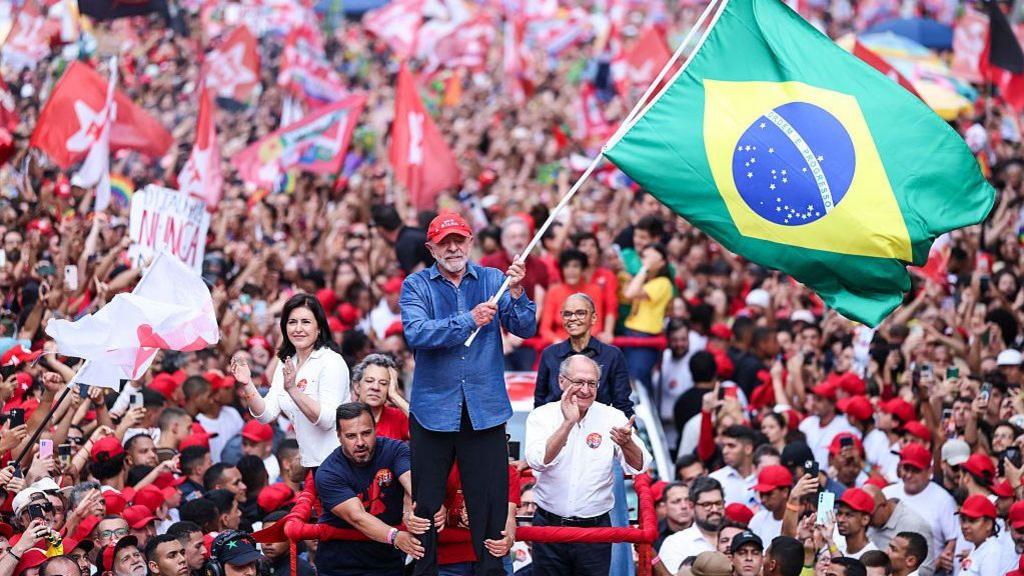
In a stunning electoral upset, Brazil’s Luiz Inácio Lula da Silva secured a victory that rattled Washington and dented former President Donald Trump’s plans to dominate Latin America. Lula’s unapologetic attacks on US interference drew nationalistic cheers and insurgent support, turning a domestic campaign into a global geopolitical pivot. Trump confessed admiration for Lula’s defiant stance, yet remains skeptical of the election’s legitimacy, underscoring a fragile bipartisan dance. As Lula secures a four‑year term, emerging flashpoints – from tariff disputes to voting‑system controversies – could test the still‑stitched walls between the two hemispheres.
“Brazil will not accept being anyone’s backyard,” Lula declared in his victory address, a line aimed directly at Washington.
The left‑wing president’s fiery rhetoric on sovereignty turned a domestic campaign into a firebrand struggle that sparked patriotic fervor and pulled in voters tired of foreign meddling.
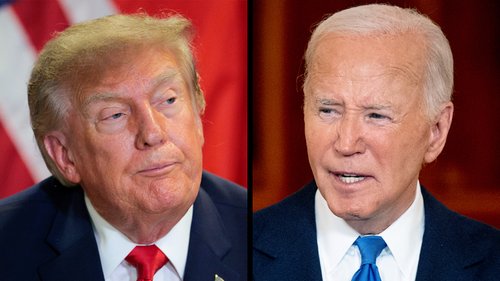
Shockingly, the polarising surge earned him praise from former U.S. president Donald Trump. “I like Lula, we get along well,” Trump said, after the results, calling the vote “terrible” and “rigged” while vowing not to take sides.
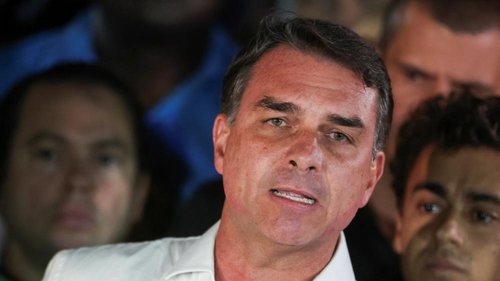
The tension dates back to earlier years: Trump’s tariffs on Brazilian chicken and his ties to Dir. Flávio Bolsonaro, son of ex‑president Jair Bolsonaro, who had lobbied for those tariffs.
Rather than negotiate, Lula adopted a hard line: he publicly accused the Bolsonaro family of undermining Brazil’s sovereignty, donned a blue cap reading “Brazil belongs to Brazilians,” and demanded an end to U.S. interference in the judiciary.
The bold stance paid off. Lula’s approval ratings spiked, even among members of the agricultural lobby who traditionally leaned right and had supported the Bolsonaro administration.
The U.S. eventually eased tariffs but later raised them again, prompting a brief diplomatic standoff that ended when the two leaders met at the United Nations and later in the Oval Office, where Trump called the talks "very good" and Lula said he left "very satisfied."
The fragile truce hangs in the balance. In late 2026 Brazil accused the U.S. of casting doubt on its electoral system and denied visas to two U.S. diplomats, while the U.S. revoked the Brazilian ambassador’s visa in re‑response.
This exchange illustrates how Roosevelt demontheies Trump’s claim that the result was “rigged” could exacerbate tensions.
Lula has also criticized U.S. military actions in the region, from the seizure of Nicolás Maduro in Venezuela to the bombing of allegedly drug‑trafficking boats, and de‑claimed the designation of Brazilian gangs as terrorist organisations.
Meanwhile, the Biden‑era administration remains uneasy about Brazil’s instant‑payment system Pix, which steals market share from Visa and Mastercard.
Despite these frictions, trade relations remain strong: Brazil is Washington’s second‑biggest trading partner after China, and both leaders appear to be working toward a pragmatic partnership, contingent on how far each side will push for influence in the other’s domestic affairs.
For deeper context, see the BBC feature on how Lula turned the tide and overtook Flávio Bolsonaro in the runoff.