In brief
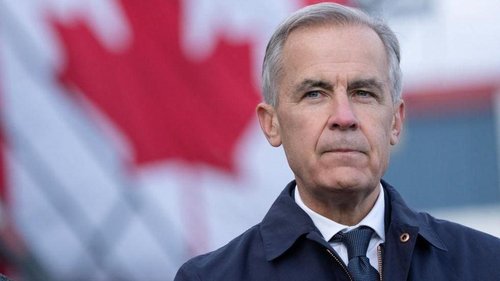
As Canada approaches its federal election, Prime Minister Mark Carney leverages his international experience to appeal to Quebec voters, who increasingly view him as their best option against President Trump's threats.
In the run-up to the April 28 federal elections, Prime Minister Mark Carney's performance on Quebec's top talk show, "Tout le Monde en Parle," signaled a pivotal moment in his electoral campaign. When quizzed by host Guy Lepage on his knowledge of the French-speaking province, Carney's inability to provide any specific cultural references raised eyebrows, yet it was his overall leadership qualities that garnered him support. Historically, fluency in French and cultural connection have been crucial in winning over Quebec's electorate, a hurdle that Carney, a political newcomer, has stumbled over due to his limited command of the language.Recent months have seen a notable shift in political dynamics, previously favoring the separatist Bloc Québécois, but following President Trump’s controversial tariffs and aggressive policies, Carney's Liberal Party is now witnessing a surge in popularity across Quebec. Many Canadians, recognizing Carney's extensive experience as the former head of the Bank of Canada and the Bank of England, see him as the most capable leader to navigate the complicated relationship with the U.S.Despite the challenges he faces with the Québecois electorate, including his linguistic limitations, Carney is gaining traction. Interestingly, even among core supporters of the Bloc Québécois, opinion seems to be softening towards him as voters reassess priorities in light of international tensions. The changing perception highlights how external factors can dramatically affect political landscapes and voter sentiment ahead of critical elections.