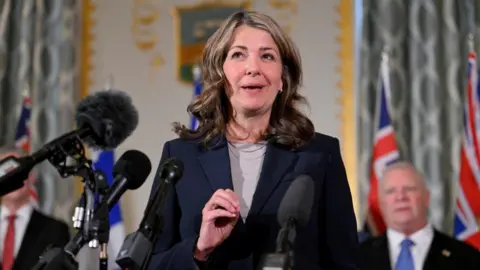
In a seismic political move that could redefine Canada's constitutional landscape, Premier Danielle Smith announced a binding referendum on whether Alberta should remain part of Canada or pursue separation. The vote, scheduled for October 19, asks Albertans to choose between staying as a province or beginning the legal process for secession under the Canadian Constitution. The announcement follows a surge in separatist sentiment fueled by longstanding grievances over federal resource policies and perceived economic marginalization.
Smith, facing mounting pressure from pro-independence activists, declared her personal stance: 'That is how I would vote on separation in a provincial referendum.' Her decision comes after a citizen petition calling for separation gathered over 300,000 signatures—far exceeding the 100,000 threshold required for official consideration—while a counterpetition advocating continued membership collected more than 400,000 signatures. Yet opinion polls indicate a clear majority of Albertans (78%) favor remaining in Canada.
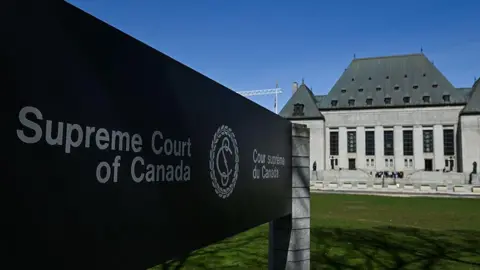
The referendum is now poised to proceed despite a major legal hurdle: a court ruling last month that invalidated a similar petition for separation. A judge found First Nations groups were not properly consulted during signature verification, violating Indigenous rights protections under the Canadian Charter of Rights and Freedoms. Smith condemned the decision as 'an illegal judicial overreach,' declaring, 'As Premier, I will not have a legal mistake by a single judge silence the voices of hundreds of thousands of Albertans.'
Separatist lawyer Jeffrey Rath immediately criticized the government's approach, posting on social media that Smith 'dealt a referendum question from the bottom of the deck' and 'just lost her base.' He cited widespread anger among Albertans over federal climate policies they say stifle oil development and economic growth, with Premier Smith acknowledging these tensions in her address: 'I categorically reject Ottawa's attempts to do so [centralize power].'
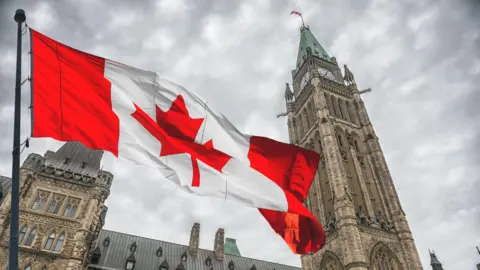
The announcement has triggered unprecedented political fallout. Canada's Prime Minister Mark Carney warned that any separation bid must comply with the Clarity Act—passed after Quebec's 1995 referendum—which requires a clear majority and federal oversight. Federal Minister Dominic Leblanc emphasized 'Canada's unity is not negotiable,' while Conservative leader Pierre Poilievre called for 'cultural unity' across provinces. Separatists, however, view the federal response as confirmation that Ottawa refuses to address Alberta's 'profoundly unjust treatment' of its energy resources.
With the October vote approaching, Canada's constitutional future hangs in the balance. Should Alberta's 'leave' campaign succeed, the path to separation would be legally complex and politically fraught—requiring lengthy negotiations over resource rights, border control, and economic compensation. For now, Smith's gamble tests whether Canada's unity can survive a decade of growing provincial resentment, as Albertans prepare to decide if 'the federal government has truly abandoned us,' as one activist recently declared.}
Smith, facing mounting pressure from pro-independence activists, declared her personal stance: 'That is how I would vote on separation in a provincial referendum.' Her decision comes after a citizen petition calling for separation gathered over 300,000 signatures—far exceeding the 100,000 threshold required for official consideration—while a counterpetition advocating continued membership collected more than 400,000 signatures. Yet opinion polls indicate a clear majority of Albertans (78%) favor remaining in Canada.
The referendum is now poised to proceed despite a major legal hurdle: a court ruling last month that invalidated a similar petition for separation. A judge found First Nations groups were not properly consulted during signature verification, violating Indigenous rights protections under the Canadian Charter of Rights and Freedoms. Smith condemned the decision as 'an illegal judicial overreach,' declaring, 'As Premier, I will not have a legal mistake by a single judge silence the voices of hundreds of thousands of Albertans.'
Separatist lawyer Jeffrey Rath immediately criticized the government's approach, posting on social media that Smith 'dealt a referendum question from the bottom of the deck' and 'just lost her base.' He cited widespread anger among Albertans over federal climate policies they say stifle oil development and economic growth, with Premier Smith acknowledging these tensions in her address: 'I categorically reject Ottawa's attempts to do so [centralize power].'
The announcement has triggered unprecedented political fallout. Canada's Prime Minister Mark Carney warned that any separation bid must comply with the Clarity Act—passed after Quebec's 1995 referendum—which requires a clear majority and federal oversight. Federal Minister Dominic Leblanc emphasized 'Canada's unity is not negotiable,' while Conservative leader Pierre Poilievre called for 'cultural unity' across provinces. Separatists, however, view the federal response as confirmation that Ottawa refuses to address Alberta's 'profoundly unjust treatment' of its energy resources.
With the October vote approaching, Canada's constitutional future hangs in the balance. Should Alberta's 'leave' campaign succeed, the path to separation would be legally complex and politically fraught—requiring lengthy negotiations over resource rights, border control, and economic compensation. For now, Smith's gamble tests whether Canada's unity can survive a decade of growing provincial resentment, as Albertans prepare to decide if 'the federal government has truly abandoned us,' as one activist recently declared.}