Quebec's Bill 21: A Constitutional Battle Over Secularism and Religious Freedom
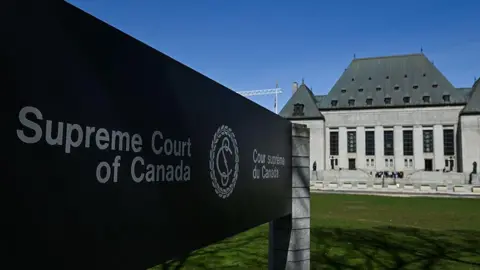
In a landmark case, Quebec's controversial secularism law known as Bill 21 is on its way to the Supreme Court of Canada, promising to trigger a debate that could reverberate through the nation's socio-political landscape. The law, enacted in 2019, restricts certain civil servants, including judges and teachers, from wearing religious symbols at work. Advocates for the law argue it upholds the province's commitment to religious neutrality, emulating France's model of secularism, or laïcité.
However, critics contend that Bill 21 infringes upon fundamental rights and disproportionately affects religious minorities, particularly Muslim women. With the Canadian Civil Liberties Association denouncing the law's implications, the hearings will examine whether the bill can endure constitutional scrutiny despite being shielded by the controversial 'notwithstanding clause'.
Legal experts project that the Supreme Court's decision could redefine the balance between provincial rights and federal oversight, setting a precedent for future laws that might invoke this powerful legal tool. As debates continue, observers are left questioning how this case will shape the relationship between the government and the governed, possibly impacting national unity.
The Notwithstanding Clause: Shield or Sword?
Originally included as a safeguard during the constitutional repatriation in the early 1980s, the notwithstanding clause allows governments to override certain rights outlined in the Canadian Charter. Critics argue its increasing use signifies a troubling trend where rights can be encroached upon with minimal oversight. Bill 21’s invocation of this clause has raised fears over its potential misuse by governments across the country.
As hearings commence, the outcomes promise to resonate beyond Quebec, drawing national attention as Canadians and legal experts alike ponder the balance of rights, freedoms, and government accountability.