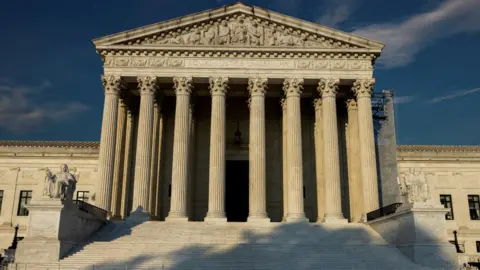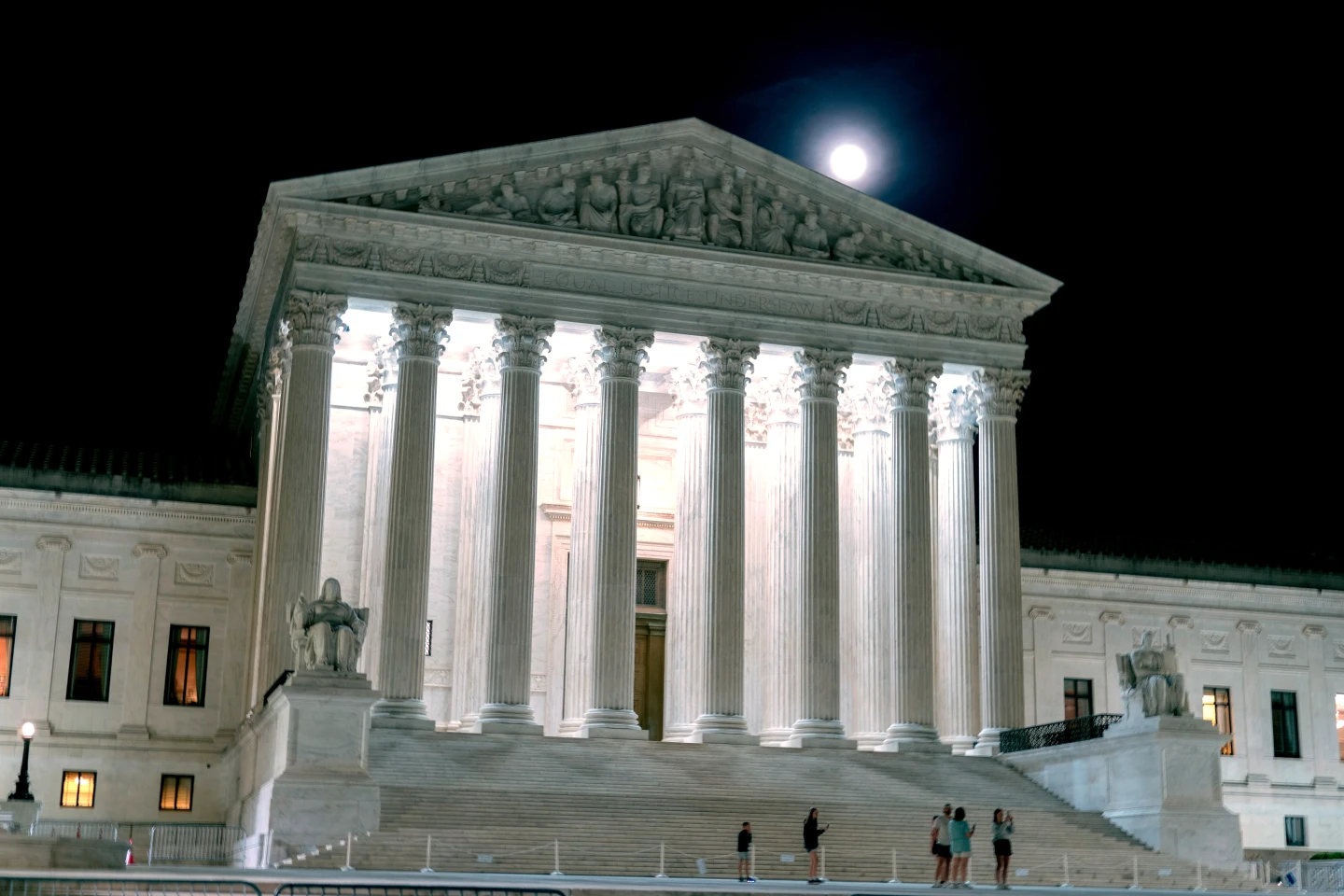
The Trump administration has begun processing refunds for billions of dollars in tariffs that the US Supreme Court struck down in February. This marks what is anticipated to be the largest repayment program in history. Companies can apply online for refunds of tariffs charged under the controversial Liberation Day tariffs, along with accrued interest.
The US Court of International Trade ordered customs officials in March to refund over $160 billion collected, thereby allowing about 330,000 importers the opportunity to reclaim some of their loses. However, individual consumers, who faced the financial brunt of these tariffs in the form of increased prices, are likely to miss out on any compensation.
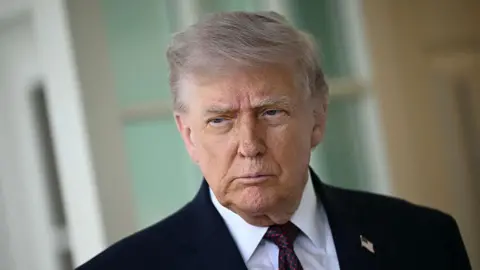
The refunds pertain to levies implemented by Donald Trump under the International Emergency Economic Powers Act (IEEPA). Judge Richard Eaton announced that all importers of record whose entries were subject to these duties are eligible for benefits stemming from the ruling. Since the portal opened in early April, around 56,000 importers have taken steps to apply for refunds amounting to $127 billion.
Customs and Border Protection has established a streamlined refund process via the Consolidated Administration and Processing of Entries (Cape) portal, which allows refunds to be processed as lump sums instead of requiring item-by-item claims. Approved importers can expect to receive refunds, including any applicable interest, within 60 to 90 days.
Concerns about the lack of consumer compensation remain predominant, as many consumers endured higher prices due to the tariffs yet have no recourse for recovery. Although some companies, such as Costco, have expressed intentions to pass refunds onto customers through lower prices, the overall expectation is that the benefits from tariff refunds will primarily be absorbed by the companies themselves, rather than passed down to individual consumers.
As the complexities surrounding this refund process unfold, individual consumers have begun pursuing class action lawsuits against companies they believe passed on the costs of Trump’s tariffs, arguing that any refunds received should be redirected back to them. This issue highlights an ongoing tension within the landscape of tariffs and their far-reaching economic implications.
The US Court of International Trade ordered customs officials in March to refund over $160 billion collected, thereby allowing about 330,000 importers the opportunity to reclaim some of their loses. However, individual consumers, who faced the financial brunt of these tariffs in the form of increased prices, are likely to miss out on any compensation.
The refunds pertain to levies implemented by Donald Trump under the International Emergency Economic Powers Act (IEEPA). Judge Richard Eaton announced that all importers of record whose entries were subject to these duties are eligible for benefits stemming from the ruling. Since the portal opened in early April, around 56,000 importers have taken steps to apply for refunds amounting to $127 billion.
Customs and Border Protection has established a streamlined refund process via the Consolidated Administration and Processing of Entries (Cape) portal, which allows refunds to be processed as lump sums instead of requiring item-by-item claims. Approved importers can expect to receive refunds, including any applicable interest, within 60 to 90 days.
Concerns about the lack of consumer compensation remain predominant, as many consumers endured higher prices due to the tariffs yet have no recourse for recovery. Although some companies, such as Costco, have expressed intentions to pass refunds onto customers through lower prices, the overall expectation is that the benefits from tariff refunds will primarily be absorbed by the companies themselves, rather than passed down to individual consumers.
As the complexities surrounding this refund process unfold, individual consumers have begun pursuing class action lawsuits against companies they believe passed on the costs of Trump’s tariffs, arguing that any refunds received should be redirected back to them. This issue highlights an ongoing tension within the landscape of tariffs and their far-reaching economic implications.