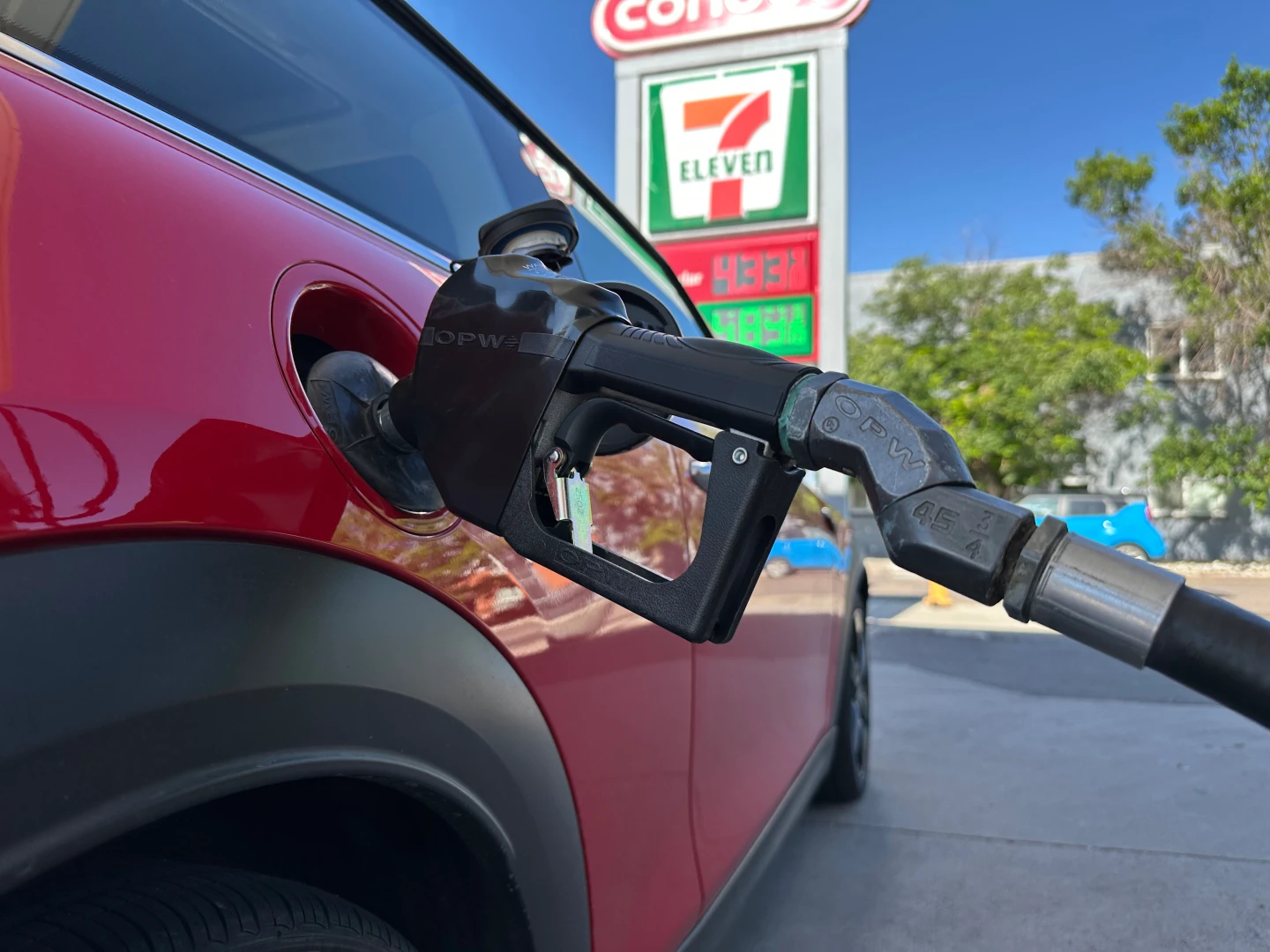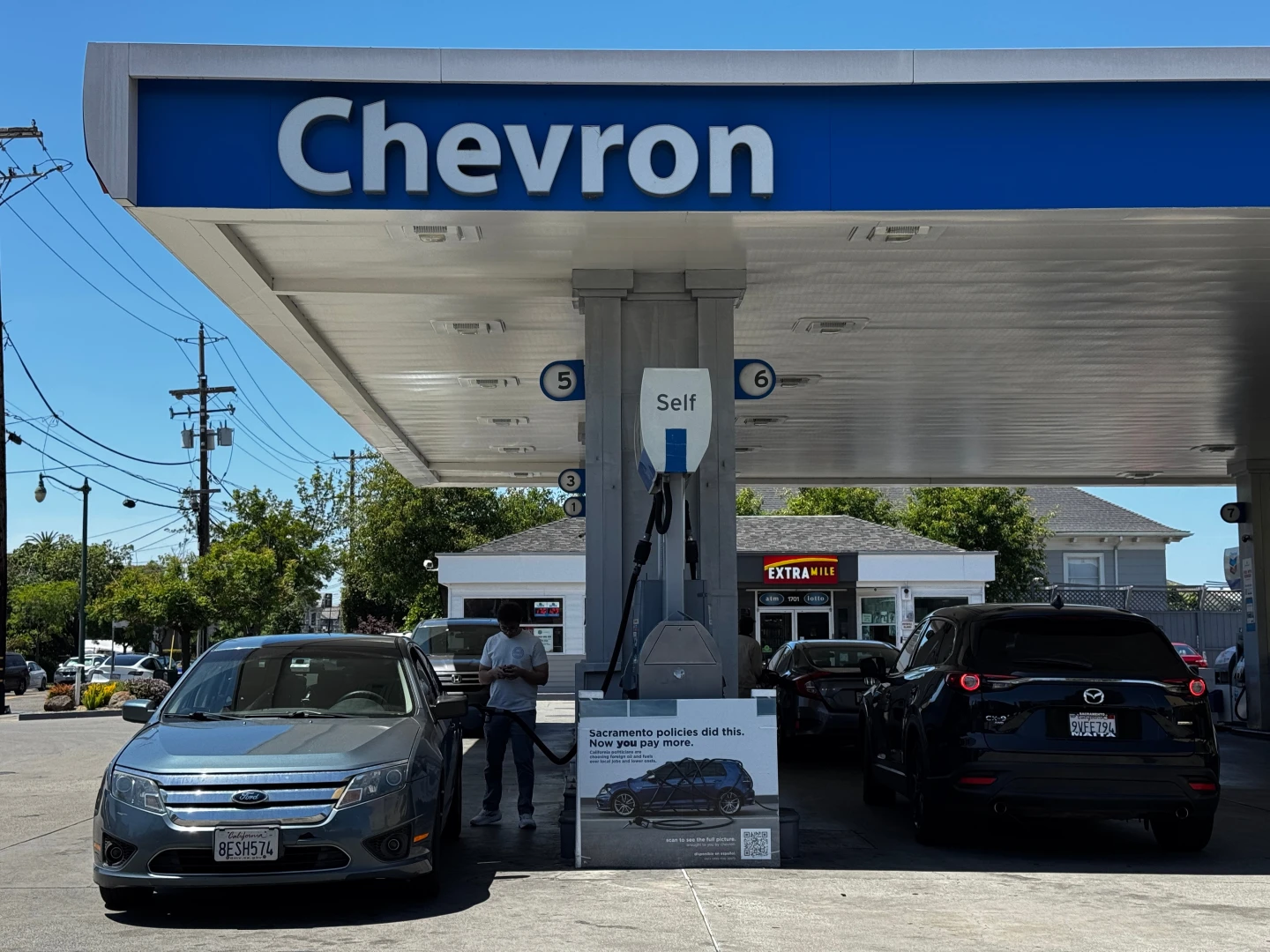
Leslie Sherman-Shafer, an Uber driver in the San Francisco Bay Area, likes to start each shift with a full tank of gas. It used to cost her around $25 to fill up her Toyota Corolla, but now, following the onset of the Iran war, it's nearly $40—reflecting a national average for gasoline that has surged by more than a third in the past month alone. With gas prices hitting $3.99 per gallon, gig workers like Sherman-Shafer are struggling to maintain their livelihoods. We don’t get reimbursed for gas. We rely on the generosity of the tip, she explains.
Driving is a critical component of many jobs in the U.S. Nearly 27% of civilian workers reported that driving was part of the demands placed upon them. As tensions surrounding global oil supplies continue to affect costs at the pump, workers are left to navigate the rising expenses without employee support. While some companies offer their staff reimbursements for vehicle use, many gig economy employers do not extend such assistance.
Temporary incentives provided by platforms like DoorDash, Uber, and Lyft for gas purchases do help, but many workers are encountering more customers who decline to tip. Uber driver Sarah Noell, for instance, has adopted a rule to reject any order that does not average out to $1 per mile, as she experiences significant impacts from rising fuel costs.
Meanwhile, the socio-economic landscape is altering; not only gig workers but diesel-powered vehicle owners are sharing the burden of increased fuel prices too. With gas prices rising dramatically across the globe, businesses must find a balance to keep afloat amidst challenges—rising operational costs without passing on expenses to consumers.
As the global situation evolves and fuel prices gain momentum, many gig workers are left asking how they will make ends meet in an increasingly strained economy.
Driving is a critical component of many jobs in the U.S. Nearly 27% of civilian workers reported that driving was part of the demands placed upon them. As tensions surrounding global oil supplies continue to affect costs at the pump, workers are left to navigate the rising expenses without employee support. While some companies offer their staff reimbursements for vehicle use, many gig economy employers do not extend such assistance.
Temporary incentives provided by platforms like DoorDash, Uber, and Lyft for gas purchases do help, but many workers are encountering more customers who decline to tip. Uber driver Sarah Noell, for instance, has adopted a rule to reject any order that does not average out to $1 per mile, as she experiences significant impacts from rising fuel costs.
Meanwhile, the socio-economic landscape is altering; not only gig workers but diesel-powered vehicle owners are sharing the burden of increased fuel prices too. With gas prices rising dramatically across the globe, businesses must find a balance to keep afloat amidst challenges—rising operational costs without passing on expenses to consumers.
As the global situation evolves and fuel prices gain momentum, many gig workers are left asking how they will make ends meet in an increasingly strained economy.