In brief
President Trump's recent criticisms of Pope Leo XIV and his sharing of a controversial AI-generated image have sparked significant backlash from conservative Catholics, traditionally his supporters. This tension highlights a deeper discontent regarding the Trump administration's stance on the Iran war. Notably, even conservative clerics like Bishop Joseph Strickland have diverged from the President's approach, indicating a potential shift within the Catholic community. The growing unease among this demographic poses a risk to Trump's political support, complicating his relationship with a vital voting bloc ahead of the next election.
It is not unusual for President Trump to face criticism from Catholic leaders, especially regarding his hardline immigration policies, which have drawn condemnation from church officials. However, the recent outcry stemming from Trump's attacks on Pope Leo XIV and an AI-generated image depicting him as a Christ-like figure marks a noticeable shift even among his loyal conservative Catholic allies.
The uproar signals growing frustration, not only over Trump's public discord with the Pope but also over the broader context of the conflict in Iran. Bishop Joseph Strickland has voiced support for Pope Leo's peaceful stance, diverging from Trump's bellicose rhetoric. This emerging consensus among conservative Catholics around the Pope's message highlights a significant ideological fracture.
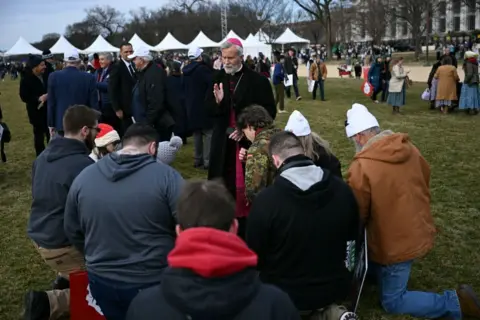
Bishop Strickland, who previously supported Trump at events like the March for Life and CPAC, stressed that followers should turn to Christ, not political figures, for guidance. Such sentiments are echoed by other Catholic commentators, including Peter Wolfgang, who argue that continued attacks on the Pope threaten Trump's standing within the Catholic voter base.
This growing distance is compounded by demographic data suggesting that political affiliation increasingly outweighs religious alignment for many American Catholics. While Trump enjoyed substantial support from white Catholic voters in previous elections, the chasm between their political stances and religious beliefs may spell trouble for his campaign moving forward.
In the wake of Trump's controversial statements, it remains to be seen how this dynamic will evolve, particularly as the Catholic community grapples with polarized views on pressing social issues and the contentious backdrop of a rapidly evolving political landscape.