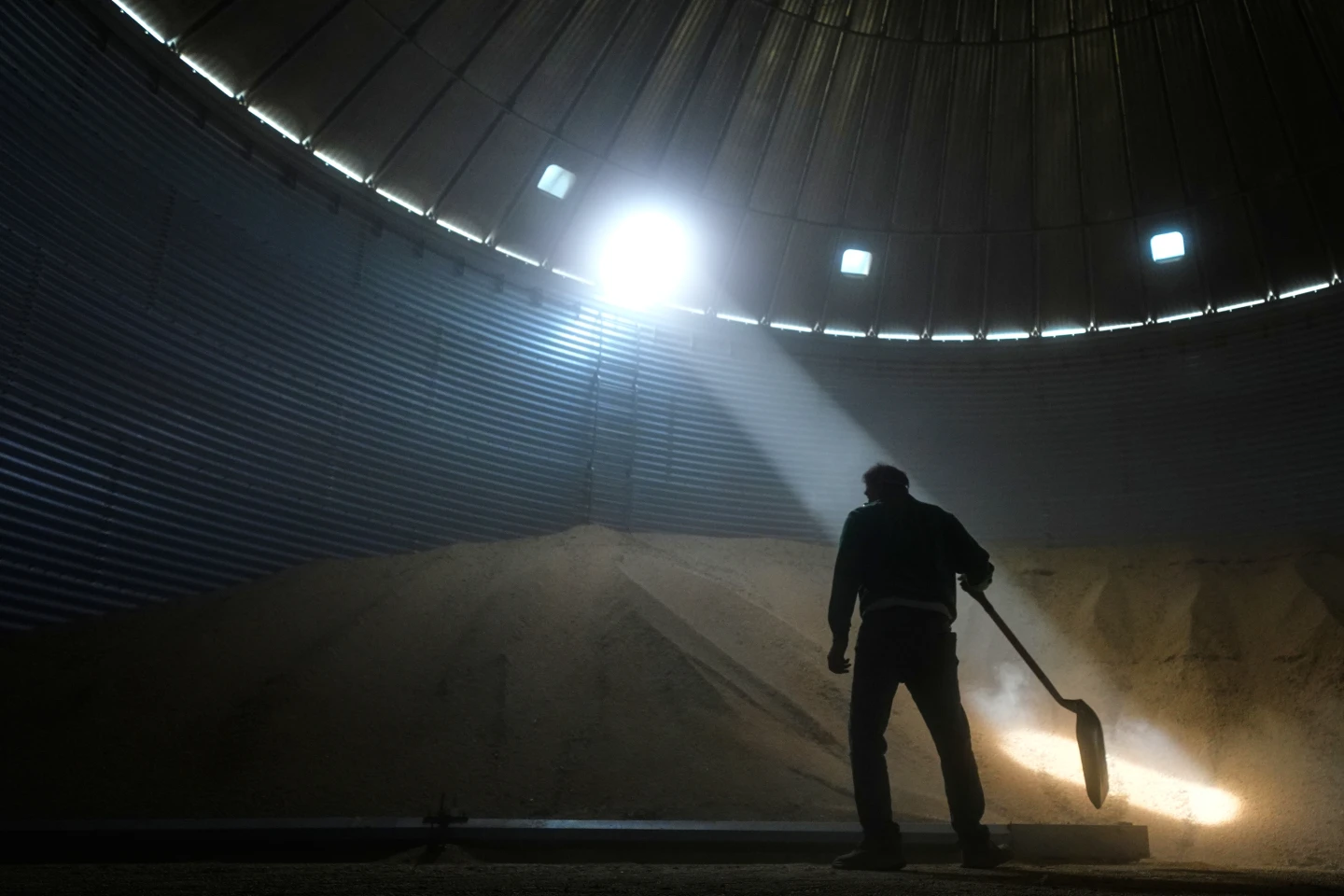
WAHOO, Neb. (AP) — Strong winds whipped around Doug Bartek, a fifth-generation farmer, as he headed into a grain bin to shovel soybeans onto a conveyor chute. The 60-year-old was anxious at the onset of the spring planting season, rattling off the long list of issues affecting his family’s livelihood at their 2,000-acre farm near Wahoo, Nebraska.
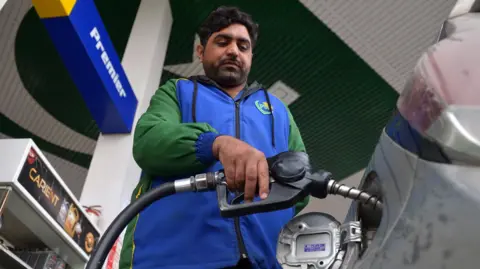
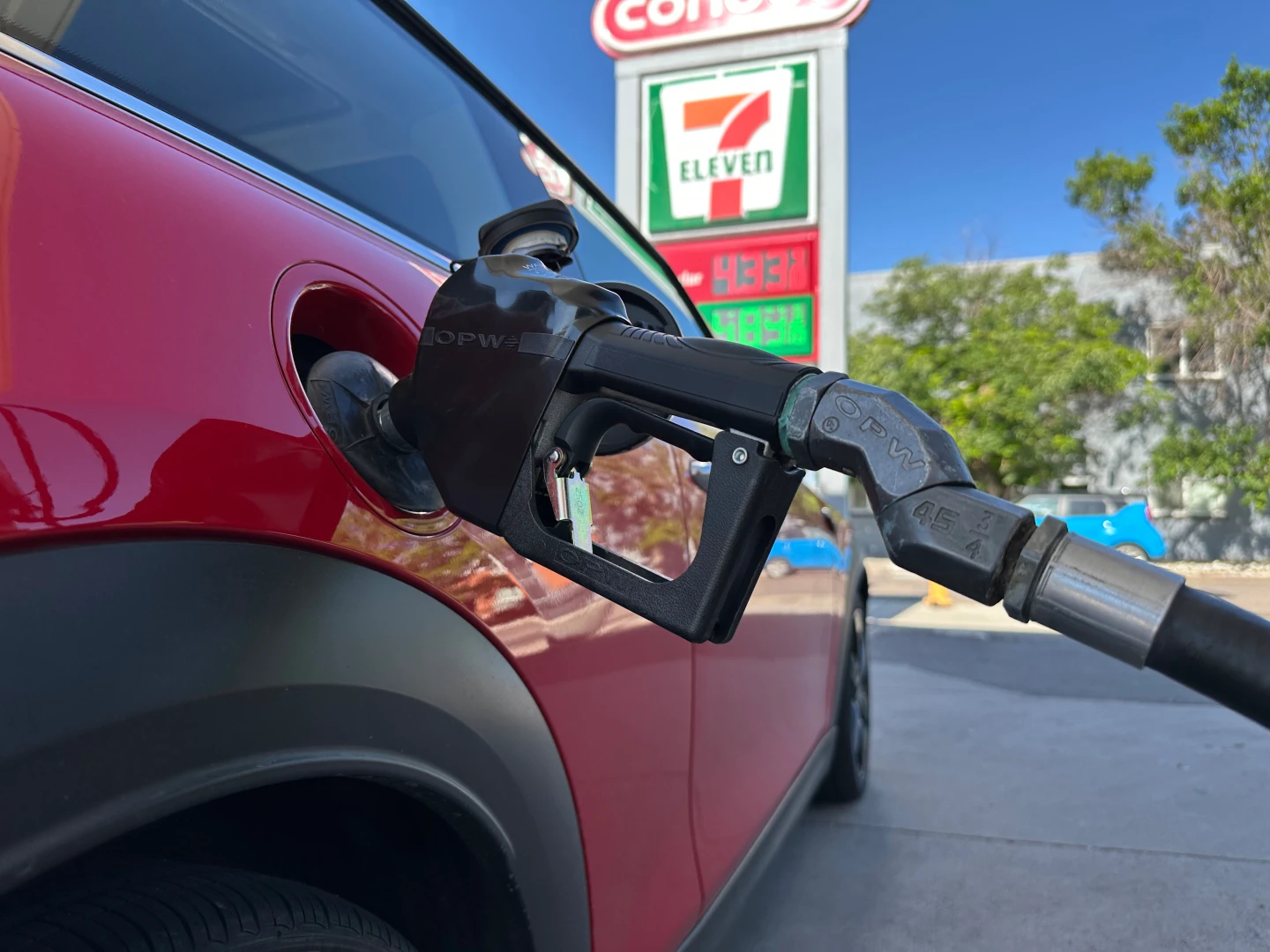
The high cost of fuel, equipment, and fertilizer — compounded by the Iran war — and also tariffs, perceived “price gouging” by suppliers, and low soybean prices driven by a global supply glut. All of it weighs on Bartek, who is the chairman of the Nebraska Soybean Association.
“Our biggest struggles are our inputs, be it fertilizer, seed, chemical, parts,” Bartek said. “There has been so much drastic markup in all of these. And I just kind of feel like the farmer’s kind of painted in the corner.”
Bartek’s concerns are shared by many Midwest soybean producers. Costs, such as equipment, have crept up over time while soybean prices have stayed low. The tariffs levied by the Trump administration last year and the resulting months-long trade war with China only made things worse, they say. Then the Iran war bottled up shipping through the Strait of Hormuz, restricting global fertilizer supplies and sending fertilizer prices sky high. A ceasefire deal announced recently raised hope that bottlenecks in the strait would abate, but the future of the agreement was uncertain.
“A lot of producers are pretty nervous going into this year,” said Justin Sherlock, a soybean farmer and president of the North Dakota Soybean Growers Association. “It looks like we’re going to have another year of negative returns.”
Soybeans, which are used for livestock feed, food, and biofuels, are among the top U.S. agricultural exports. That hasn’t always been the case. Before the 1960s, soybeans weren’t a major crop in the U.S., according to Chad Hart, an agricultural economist at Iowa State University. It wasn’t until the 1990s that soybean production accelerated due to international demand — primarily from China — making soybeans and corn dominant in U.S. agriculture.
But U.S. soybean farmers, who typically also grow corn, have been facing financial issues for years even before the onset of the Iran war. Soybean prices have been persistently low, with global supplies continuing to swell, driven in part by Brazil, which surpassed the U.S. as the world’s largest soybean producer years ago.
“If we look at global soybean production over the past several years, it continues to set record after record,” Hart said. “There’s been just large supplies globally, and that has led to depressed prices.”
Meanwhile, Midwest soybean farmers’ costs have risen. Overall farm production expenses, including seed and pesticides, have increased over time, according to the U.S. Department of Agriculture. Operating costs for soybean production have stayed elevated since 2020 and are projected to increase again in 2026.
The cost of land also is a major issue for farmers, experts say. Midwest cropland values have risen. Bartek, who rents three-quarters of his land, said landowners are increasing rents, causing further financial strain.
“There’s a lot of what I call absentee landowners that have absolutely no idea what goes on on the farm,” he said. “All they know is their taxes went up and you get to make up the difference, somehow.”
Farmers’ financial problems are showing up in some measures. Farm bankruptcies, while still relatively low, continued to climb. In a recent survey of farmers, nearly half reported their operations were financially worse off than a year ago. Experts warn that if costs continue to outpace prices, it could lead to further bankruptcies in the sector.
“We burn a lot of diesel fuel,” said Chris Gould, a corn and soybean farmer in Maple Park, Illinois. “It’s hard to say if I’m gonna come out ahead or behind on this whole deal. But I suspect I’m going to come out behind.”