In brief
The Supreme Court will hear President Trump's appeal regarding his executive order on birthright citizenship that asserts children born to non-citizen parents in the U.S. should not automatically receive citizenship. This case challenges existing interpretations of the 14th Amendment and could have far-reaching implications for immigration law. A ruling is expected by early summer.
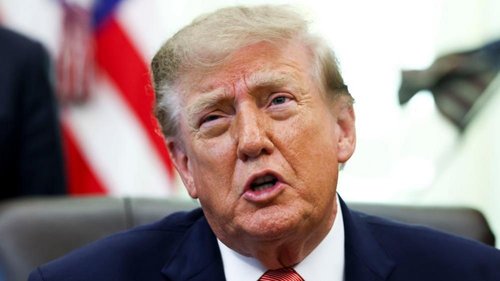
WASHINGTON (AP) — The U.S. Supreme Court is set to deliberate on President Donald Trump’s executive order regarding birthright citizenship, which posits that children born to parents who are in the United States illegally or temporarily should not be considered American citizens. Trump's appeal follows a lower court ruling from New Hampshire that invalidated his citizenship restrictions, which have yet to be enacted anywhere in the country. Trump is scheduled to attend the oral arguments, marking the first instance of a sitting president attending such proceedings at the nation's highest court.This significant case presents an examination of executive power and has implications that extend beyond immigration. It contests established legal precedents associated with the interpretation of the 14th Amendment, which has historically conferred citizenship to anyone born on U.S. soil, with few exceptions. Lower courts have consistently ruled against Trump’s order, referencing the 1898 Wong Kim Ark decision that affirmed the citizenship of U.S.-born children regardless of parentage.The administration has countered this long-standing convention by claiming non-citizen parents do not fall under U.S. jurisdiction, challenging the ethos of the citizenship clause designed to protect the rights of all citizens, particularly those from marginalized backgrounds. Advocates against the order highlight that it jeopardizes the status of more than a quarter of a million newborns annually.The court's ruling on this matter, expected by summer, could either reinforce or drastically reshape the landscape of American citizenship and immigration policy.