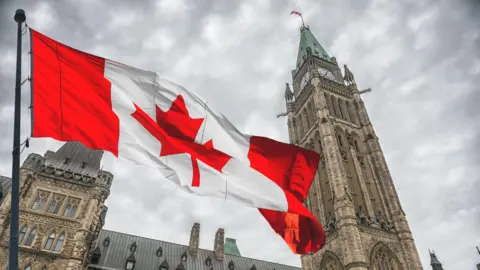
Alberta has proposed a bill that would limit the use of medically assisted dying - also known as voluntary euthanasia - in the Canadian province solely to end-of-life circumstances.
In 2021, Canada expanded access to medically assisted dying, known domestically by the acronym MAID, to people with serious, incurable illnesses or disabilities, even if their death is not reasonably foreseeable.
Canada is also due to expand access next year to people whose only medical condition is mental illness, though that has twice been delayed.
Alberta is the first jurisdiction in Canada to independently propose limits to the practice.
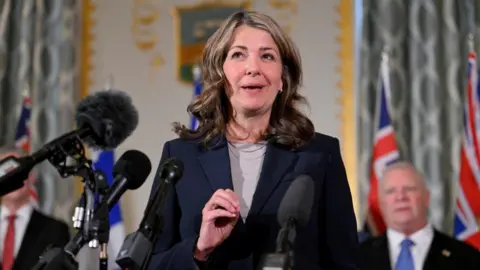
Alberta Premier Danielle Smith emphasized that MAID should only be an option for those with no hope of recovery, stating that this legislation strengthens safeguards and restores clear limits on eligibility to protect vulnerable Albertans facing mental illness or living with disabilities.
The proposed bill seeks to prohibit doctors from unilaterally raising MAID with patients and banning its public advertising in healthcare facilities. It also proposes to enshrine conscience protections for healthcare professionals and institutions.
While polls indicate broad support in Canada for medically assisted dying, there has been significant debate about its expansion and concerns over whether proper safeguards are in place.
Since Canada legalized euthanasia in 2016 for terminal illnesses, MAID has accounted for roughly 5% of deaths in the country, with a 2024 report indicating that approximately 96% of those had a death deemed reasonably foreseeable due to severe medical conditions.
Moira Wilson, president of Inclusion Canada, welcomed the proposed legislation and urged other provinces to follow suit, emphasizing the importance of protecting individuals whose lives are not nearing an end. Conversely, advocates for expanded access to MAID have criticized the proposal, arguing it undermines patient autonomy and adds unnecessary barriers for those in distress.