Heidi Rathjen has been calling for a ban on assault-style rifles since 1989, following a tragic shooting at Montreal's École Polytechnique that claimed the lives of 14 women. More than two decades later, after multiple deadly mass shootings, Canada implemented a ban on approximately 2,500 models of such firearms. However, the buyback program associated with this ban has faced significant obstacles.
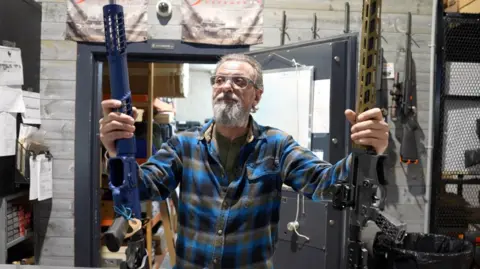
The rollout of the buyback scheme has been rocky, met with resistance from legal gun owners who are skeptical about the process. Some provinces, notably Alberta and Saskatchewan, have opted not to participate, complicating the initiative further. Gun control activists, including Rathjen herself, argue that while the effort is a step toward improving public safety, it falls short due to its narrow focus, failing to encompass all assault-style weapons.
Public Safety Minister Gary Anandasangaree was recently criticized for questioning the logic of the government's plan in a leaked audio tape, indicating a divide even within the government regarding the effectiveness of the program. Critics also highlight the need for a comprehensive approach akin to Australia’s successful gun buyback following the Port Arthur massacre, which saw a much higher compliance and funding.
Currently, over 67,000 firearms have been declared by Canadians, but experts warn that with substantial challenges yet to be addressed, and as the amnesty period and official rollout deadline approach, substantial doubt remains about the success of Canada's gun buyback scheme. Rathjen cautions against a waste of resources, emphasizing the need for thoughtful, extensive measures to truly enhance public safety.
The rollout of the buyback scheme has been rocky, met with resistance from legal gun owners who are skeptical about the process. Some provinces, notably Alberta and Saskatchewan, have opted not to participate, complicating the initiative further. Gun control activists, including Rathjen herself, argue that while the effort is a step toward improving public safety, it falls short due to its narrow focus, failing to encompass all assault-style weapons.
Public Safety Minister Gary Anandasangaree was recently criticized for questioning the logic of the government's plan in a leaked audio tape, indicating a divide even within the government regarding the effectiveness of the program. Critics also highlight the need for a comprehensive approach akin to Australia’s successful gun buyback following the Port Arthur massacre, which saw a much higher compliance and funding.
Currently, over 67,000 firearms have been declared by Canadians, but experts warn that with substantial challenges yet to be addressed, and as the amnesty period and official rollout deadline approach, substantial doubt remains about the success of Canada's gun buyback scheme. Rathjen cautions against a waste of resources, emphasizing the need for thoughtful, extensive measures to truly enhance public safety.