Why the U.S. economy keeps defying the odds
In late 2025 the final car rolled off the line at Volkswagen’s “Transparent Factory” in Dresden, while a thousand miles away in Spartanburg, South Carolina, BMW’s plant was humming louder than ever. The contrast between these two factories underlines a puzzle economists have been debating: why does the American economy keep outperforming its peers, even in the face of similar global shocks?
The developed world has buckled under a succession of pressures—Trump’s tariffs, mass deportations reshaping labour markets, and the Middle‑East conflict spiking oil prices. Yet the U.S. economy has continued to grow steadily, its inflation lingering but not at a crippling level. “The trade war itself became the strongest proof of American resilience,” says Joe Brusuelas, chief economist at RSM.
American firms, faced with higher costs on foreign components, chose to invest rather than cut margins. Caps on capital expenditure have not slowed down; they now run at 13.9% of GDP, up against expectations that would normally see a decline under such conditions.
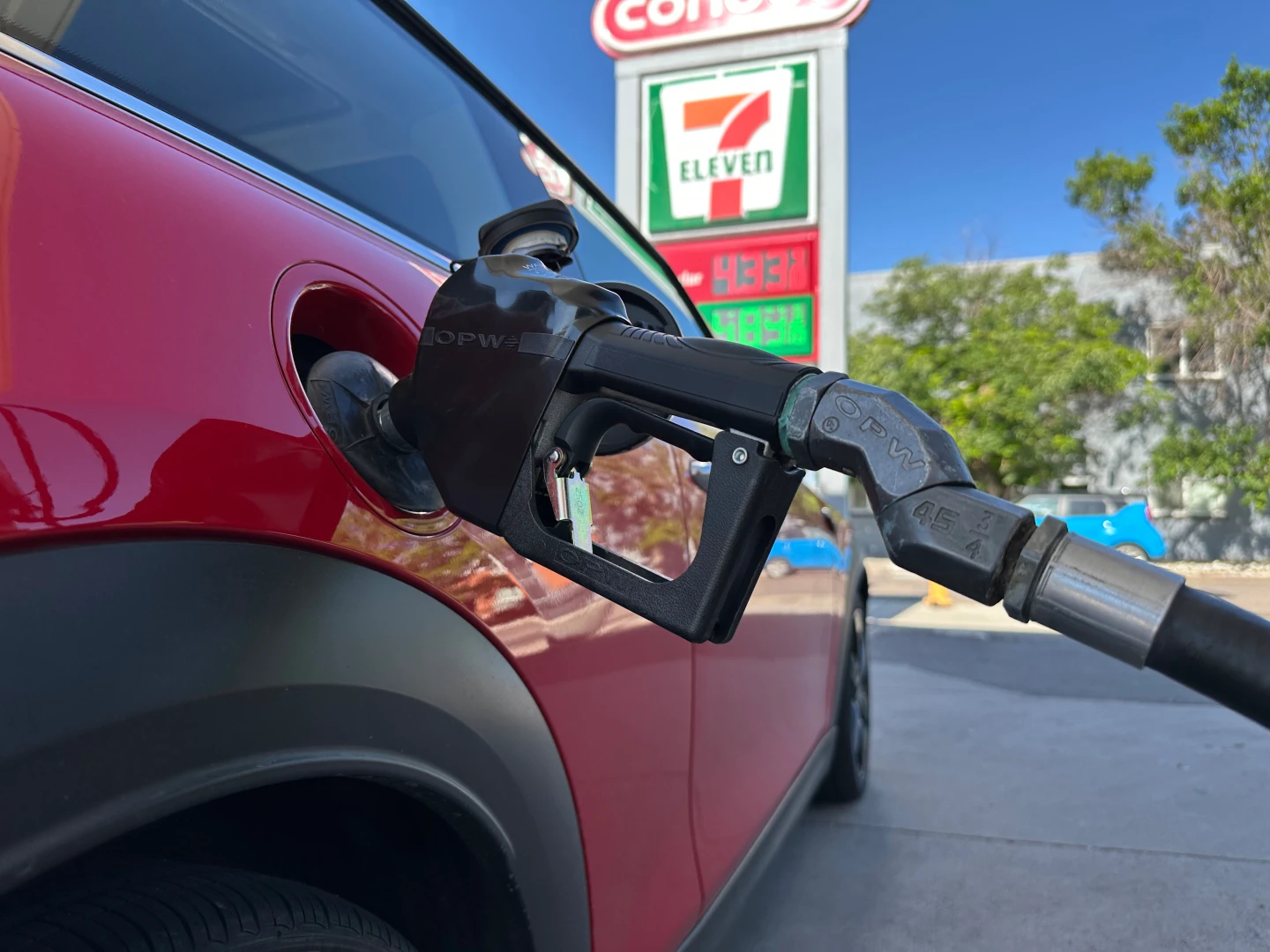
A key to this resilience lies in the U.S. energy sector. The shale revolution has made the United States one of the largest oil and gas producers, drastically reducing the economy’s reliance on imported petroleum. Because of this structural change, oil’s contribution to GDP per unit has halved over the past fifty years.
In contrast, Europe relies on long‑term contracts and integrated supply chains that made many countries vulnerable when Russian gas supplies were cut after the Ukraine invasion. The U.S. model—market‑responsive pricing and domestic production—has ensured less exposure to energy price shocks.
Cultural attitudes also differ. Americans are more solution‑oriented and willing to accept short‑term risk for long‑term gains, while Europeans tend to be risk‑averse. This difference shows up in finance: European firms primarily depend on bank loans and pension plans that cap both gains and losses; U.S. firms can tap the stock market and venture capital for growth.
While the macro‑level resilience masks underlying pain, inequalities remain a serious concern. “The U.S. is a land of very high inequality,” Christie, senior fellow at Bruegel, says. Rising housing costs and limited job growth make it hard for many to keep pace.
Nonetheless, data suggest that the United States continues to add jobs above expectations—172,000 in May, well above forecasts—while consumer prices rise at their fastest pace in three years, at 4.2% year‑on‑year.
The economy’s strength is a blend of flexible markets, rapid investment, abundant domestic energy, and a tolerance for risk that has weathered past shocks. Yet higher energy prices, persistent inflation, and widening inequality could curtail this advantage in the future.
As Brusuelas puts it: “It’s the cleanest shirt in a very filthy laundry.”
Images: Getty Images – New York Stock Exchange – May 26, 2026. View image