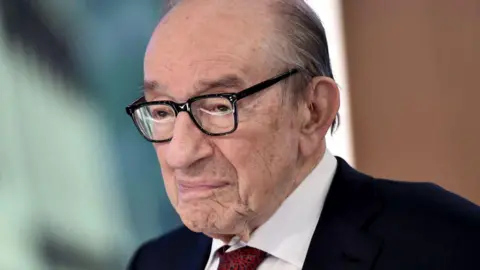
Alan Greenspan, architect of America’s post‑war boom, dies at 100
WASHINGTON – Former chief of the Federal Reserve Board, Alan Greenspan, died on Monday, 21 June, at the age of 100, after a long battle with Parkinson’s disease. His wife, NBC reporter Andrea Mitchell, confirmed the death in a brief statement that added that Greenspan had been “a giant of a man who helped shape the US economy for decades under presidents of both parties, but was always honest in acknowledging his mistakes”.
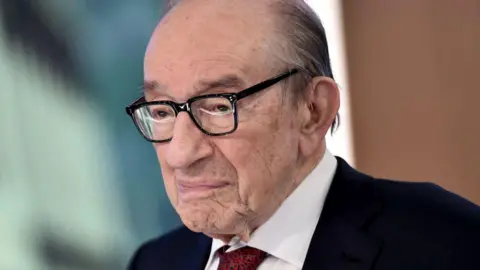
The 1987‑2006 grey‑haired economist guided the United States through a period of the longest sustained growth in a generation, steering monetary policy during crises from the 1987 stock‑market crash to the 1998 Russian debt default, and later the 2008 global financial collapse. He was a prolific endorser of “free‑market” principles and called the welfare state a “mechanism by which governments confiscate the wealth of productive members of society”. His belief that banks should self‑regulate was confessed to the U.S. Congress after the housing crisis, when he said, “I have found a flaw … but I have been very distressed by that fact”.
Critics argue his low‑interest‑rate policy encouraged an unsustainable housing boom, while former U.S. Senate Majority Leader Paul Krugman said Greenspan waited until the bubble collapsed before “cleaning up the mess”. From Washington, the former Fed chief criticised the Trump administration, describing its “populist” stance as a “shout of pain”. UK‑Britain’s exit from the EU, Brit tenant called Brexit the “worst outcome”.
In his later years he remained a sought‑after voice, warning in 2023 that the Biden administration’s rate hikes were too fast. He celebrated his 100th birthday in March 2026, a testament to his life’s work, but his legacy is split: he steered the economy through two decades of expansion but also left an economy with fragility and a low regulation culture that critics say contributed to the greatest downturn since the Great Depression.