In brief
In a recent interview, US Treasury Secretary Scott Bessent highlighted the importance of enduring short-term economic pain in exchange for long-term security against the threats posed by Iran. He articulated that the risk of nuclear strikes from Iran necessitated decisive actions, despite warnings from the International Monetary Fund about the looming possibility of a global economic downturn. The IMF forecast points to potential recession risks should the conflict escalate, affecting oil prices and overall economic stability.
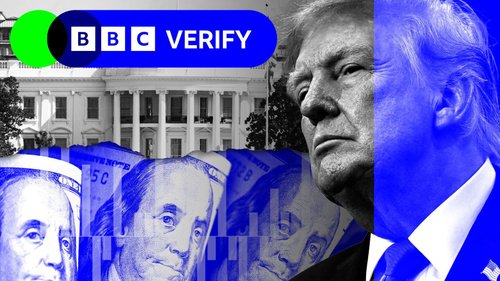
US Treasury Secretary Scott Bessent has told the BBC that a 'small bit of economic pain' is worthwhile for long-term international security. As warnings emerge from the International Monetary Fund (IMF) indicating the US-Israel war with Iran could send the global economy into a recession, Bessent emphasized the need to eliminate the threat of Iranian nuclear strikes on Western capitals.I wonder what the hit to global GDP would be if a nuclear weapon hit London... I am saying that I am less concerned about short-term forecasts, for long-term security, he stated. At the beginning of the conflict, senior US officials reported that Iran had uranium enriched to 60%, although it currently lacks nuclear weapons.Despite recent concerns, the UK government assured there is 'no assessment' that Iran is targeting Europe with missiles. Bessent, however, expressed that the economic repercussions are secondary to the security threats posed by Iran.He mentioned that intelligence revealed Iran's capability to operate mid-range intercontinental ballistic missiles and their ambitions toward a nuclear program. Bessent noted that US and Israeli military actions have significantly diminished the risk of a nuclear strike from Iran against Western nations.In the midst of these geopolitical tensions, the IMF has warned of potential recession scenarios, citing a risk of global growth falling below 2% by 2026 if key energy prices soar and remain elevated. Also, energy prices have surged since the onset of the conflict over six weeks ago, following the effective closure of the vital Strait of Hormuz shipping route, compounded by failed peace talks. The IMF projected that prolonged unrest could drastically affect inflation, unemployment, and food security globally. The current geopolitical climate, marked by the resurgence of oil prices, poses significant challenges and risks for the global economy.