The Maha Kumbh Mela, believed to be the largest gathering of humanity on earth, is currently taking place in Prayagraj, India, where the sacred rivers Ganges and Yamuna converge, considered the site of divine salvation for Hindus. The festival showcases an impressive array of pilgrims—ranging from unruly tourists to spiritual seekers—who flock to cleanse themselves in the holy waters, hoping to rid their sins.
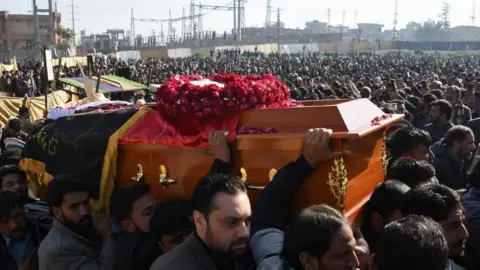
However, this year’s event has been shadowed by tragedy. A stampede resulted in the death of 30 individuals and injured around 90 others, eliciting a delayed response from Uttar Pradesh Chief Minister Yogi Adityanath, who took nearly 15 hours to confirm the fatalities. Critics have raised alarms over potential cover-ups as the chief minister appeared to downplay the disaster.
The festival, a vibrant mix of spirituality and modernity, features billboards and cutouts of Prime Minister Narendra Modi prominently displayed across the landscape, transforming the sacred event into a marketing spectacle. The leaders leverage the Kumbh Mela to promote their governance, an opportunity to highlight India's progress on a global stage.
This juxtaposition of divine worship and political maneuvering has ignited debates on how such significant events should be managed, especially when the safety of millions is at stake. With the aftermath of the stampede still unfolding, the incident serves as a stark reminder of the pressing need for effective crowd control and emergency response at large-scale gatherings.