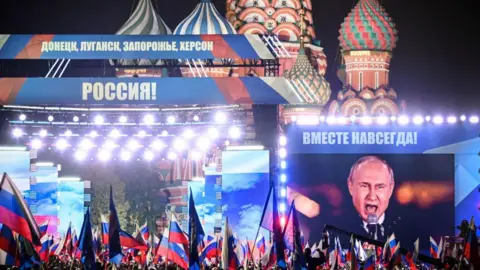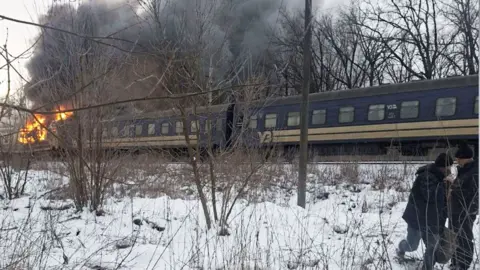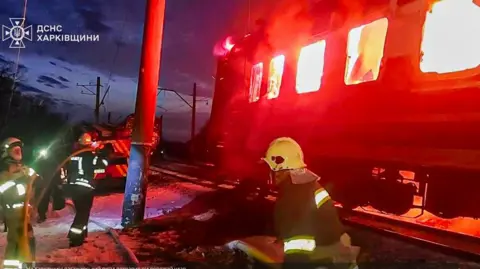
Trains no longer run to Ukraine's eastern Donetsk region - part of the Donbas claimed in its entirety by Russia's President Vladimir Putin. It's another sign of the steady Russian advance.
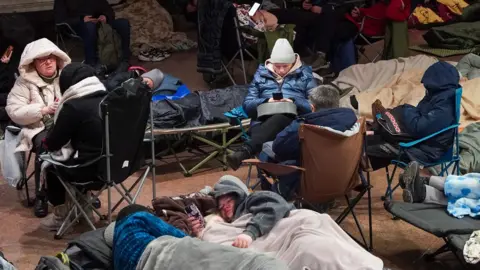
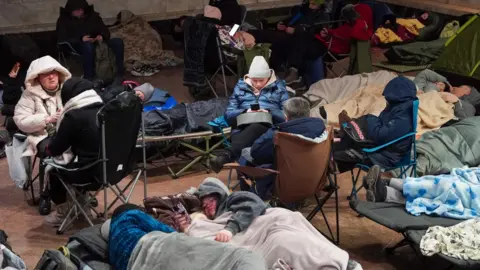
Instead, the last station is now on the western side of the Donetsk border. This is where civilians and soldiers wait for a ride towards relative safety - their train to get out of Dodge.
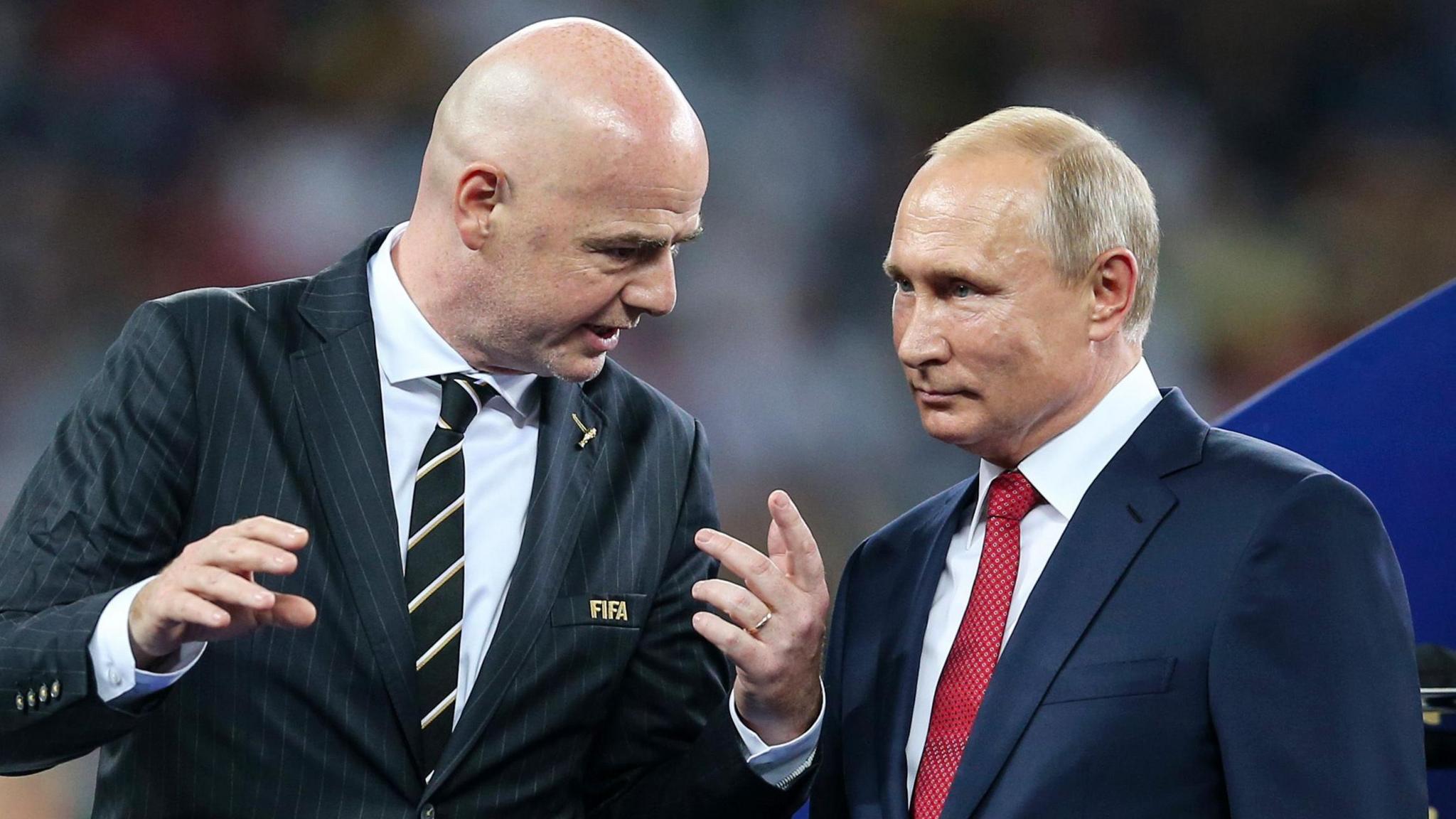
Putin has been sounding more bullish since the leak of US proposals to end the war, widely seen as being in tune with his maximalist demands. Ukraine's President Volodymyr Zelensky says territory remains the most difficult issue facing US-led peace talks.
At the last station on the line, soldier Andrii and his girlfriend Polina are parting after an all-too-brief time together. Andrii has to return to the front and they don't know when they'll see each other again.
He laughs when I mention peace talks, which have seen Donald Trump's envoys speak to Ukrainian negotiators before heading to Moscow, and dismisses them as chatter, just chatter. He doesn't think the war will be over soon.
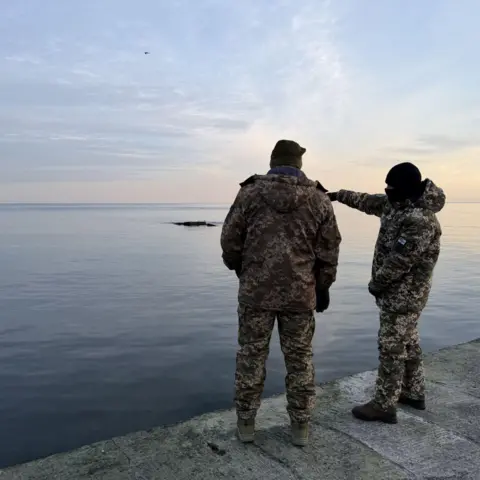
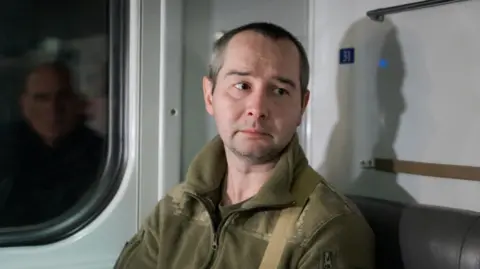
There is scepticism, too, among other soldiers who board the train west for a brief respite from the fighting. They are taking some of their 20 days of leave. Most look exhausted.
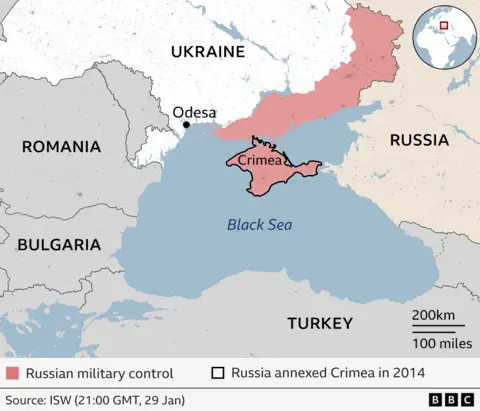
Russian forces now control some 85% of the Donbas, made up of Luhansk and Donetsk. On Tuesday they claimed to have captured the key strategic town of Pokrovsk in Donetsk. Ukraine said fighting was continuing in the city.
Denys, who has been serving in the Ukrainian army for the past two years, tells me everyone's drained, everyone's tired mentally and physically.
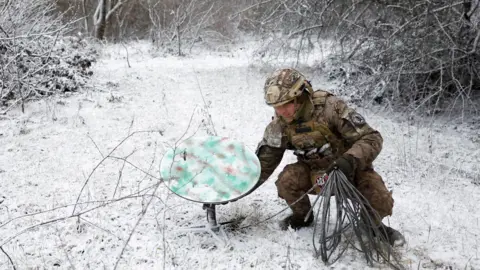
It's scary, really scary, he says, describing drones flying around like flies. But he makes it clear they are not ready to give up after sacrificing so much.
Ceding territory where at least a quarter of a million Ukrainians live - the Donetsk fortress belt cities of Slovyansk, Kramatorsk and Druzhkivka - will not be acceptable to most Ukrainians.
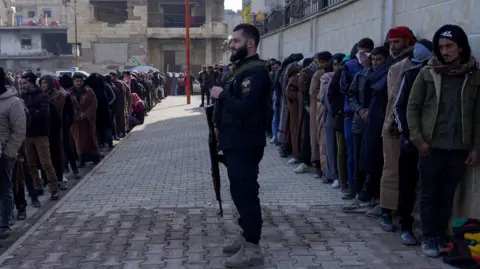
There's already been an exodus of civilians from the Donbas. It's continuing as peace talks take place. We witness dozens, old and young, arriving at a reception centre just over the border in Lozova.
They had taken advantage of heavy fog to make their escape. Less chance of being targeted by drones. Around 200 people arrive at this one reception centre every single day. They're given basic supplies and some money.
Yevheniy and his wife Maryna have just arrived from Kramatorsk, along with their two children. She tells me there are more drones now. It's getting harder and harder to even go outside. Everything is dangerous, she says. Even going to the shop, you might not come back.
The family are planning to move to the capital, Kyiv. Yevheniy has little faith in the peace talks. He says that side [Russia] won't agree to our terms. We understand nothing good will come of it.
But others appear more willing to contemplate giving up their home for good in return for peace.
Oleksandr says it is too dangerous to stay. His children have already gone to Germany. While he describes Russia's maximalist demands as probably unacceptable, he appears willing to contemplate some of what was in the leaked peace plan - trading territory for peace.
Inna, escaping with her five children, also believes it's time to make a deal. She could no longer hide her kids, aged between nine months and 12 years, from the dangers of living in Kramatorsk.
Serhii, a deserter hiding from authorities, expresses deep concerns about the war's future. If you think logically, no. A country of 140 million against us with 32 million - logically it doesn't add up, he says, portraying the harrowing reality faced by many in the region.