As the United States and Iran gear up for their second round of crucial nuclear talks in Rome, the atmosphere is fraught with uncertainty. While initial discussions were labeled as constructive, escalating military rhetoric and mixed signals from both sides have dampened optimism for a peaceful resolution.
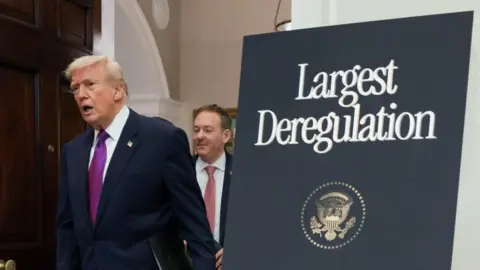
President Donald Trump has consistently reminded Tehran of its precarious choices, stating that the options remain clear: either negotiate a deal or face military action. Reports surfaced indicating that Trump had dismissed an Israeli proposal to strike Iranian nuclear facilities, suggesting he prefers to pursue diplomatic avenues first. "I think Iran has a chance to have a great country... that's my first option. If there's a second option, it would be very bad for Iran," Trump remarked, reaffirming his commitment to diplomatic dialogue.
The backdrop of these talks lies in the U.S. withdrawal from the 2015 nuclear deal, which allowed Iran to resume its nuclear activities and expand its uranium stockpile following the implementation of heavy sanctions. While the threat of military action has reportedly encouraged Iran's participation, Tehran maintains that their willingness to negotiate stems from the U.S. focusing only on nuclear issues, rather than any fear of military retaliation.
Despite the initial positive statements from both negotiating teams, doubt lingers regarding the outcome. The U.S. Special Envoy for Middle East negotiations, Steve Witkoff, emphasized that any agreement must ensure the cessation of Iran's nuclear enrichment program. Contrarily, Iran's Foreign Minister Abbas Araghchi noted the contradictions in U.S. statements, asserting that while Iran is open to discussions regarding nuclear enrichment concerns, the right to enrich uranium remains non-negotiable.
Amid these diplomatic efforts, regional dynamics remain critical. Recent visits by high-profile officials, including Saudi Arabia’s Defense Minister to Tehran and Iran’s engagement with Russia, highlight the evolving geopolitical landscape. Iran has declared that any U.S. military action would prompt retaliation against U.S. bases in the region, intensifying the stakes of the negotiations.
Distrust permeates the talks, particularly due to Trump's earlier exit from the nuclear agreement and his aggressive "maximum pressure" campaign. Ayatollah Ali Khamenei has expressed cautious optimism regarding the discussions but has warned against overconfidence. He has consistently expressed skepticism about negotiations, particularly since Trump took office again, maintaining a hardline stance that any military action could provoke Iran to pursue nuclear weapon capabilities.
As the bilateral talks unfold, both countries project their narratives—while the U.S. indicates direct discussions, Iran contends that mediation through Oman characterizes the talks. Following positive remarks about the initial round, Iran’s currency saw a considerable uptick. The Iranian leadership is acutely aware of domestic discontent, making the outcome of these negotiations not merely a nuclear issue but a crucial factor in maintaining internal stability.
In this complex interplay of diplomacy and threats, the stakes have never been higher, as both nations seek a path toward resolution amidst a backdrop of military tension and regional complexities.