Three Key Obstacles Keep Shipping in the Strait of Hormuz Hobbled
While Trump heralded a new era of open passage, data from MarineTraffic shows that only seven vessels have crossed the Strait since the deal was announced, leaving a majority of ships anchored in the Gulf.
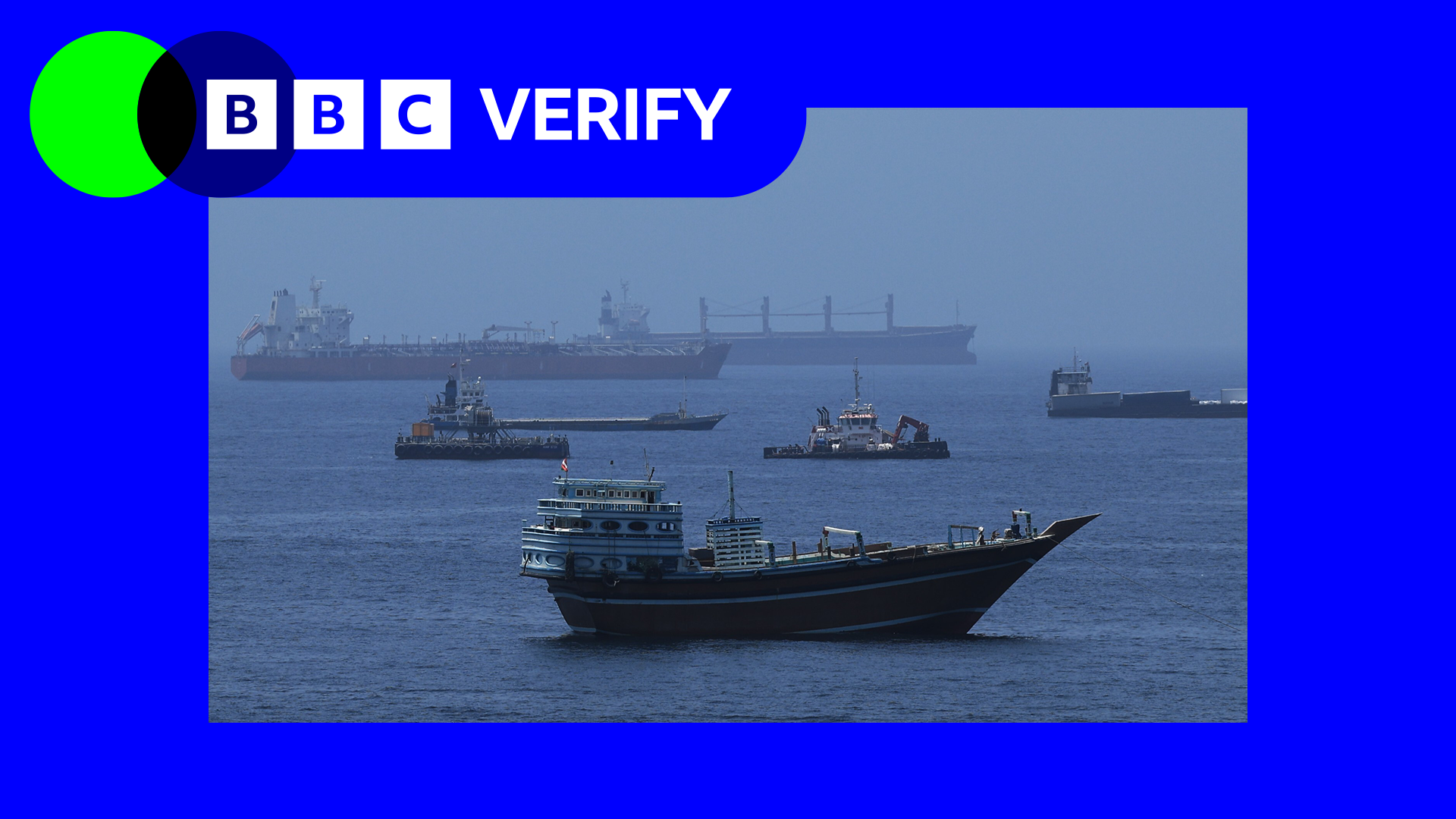
The same data platform reports more than 580 ships waiting, including over 250 tankers and 330 cargo vessels, with roughly 75% of the tankers stationary. Many of these are situated near major offshore terminals in Saudi Arabia, Iraq and the UAE.
Three primary factors are keeping traffic from normalising:
- Security and safety – Iranian forces have fired on vessels attempting to cross, and the U.S. blockade has persisted, with U.S. forces disabling non‑compliant ships and launching missiles against some.
- Mine threat – Tehran threatened to deploy floating mines along the coast, and several maritime security groups have identified potential mine‑laden zones that would need to be cleared before ships can safely transit.
- Tolls or fees – The new agreement may introduce service fees for passage, which would create logistical limits on the number of vessels that can move through each day and raise questions about enforcement and regional acceptance.
Security concerns are highlighted by frequent reports of Iran firing on passing ships and the U.S. maintaining naval forces at the entrance to the Gulf of Oman; satellite imagery shows four U.S. warships positioned near the blockade line as of early June.
The mine threat poses a significant, slow‑moving challenge. Clearing existing mines is expected to take between 30 days and six months, with the UK and France already dispatching minesweepers to the area and a broad‑scale clearance operation likely to focus on the main strait route.
The prospect of tolls adds another layer of uncertainty. If the Strait were to be managed under Iranian auspices, the cost of customs, safety and other services would need to be collected and enforced—processes that are currently undefined and could restrict daily traffic volume.
Captains and ship owners are presently adopting a cautious, wait‑and‑see approach. Some Greek operators are poised to test the waters, hoping their earlier transit may build confidence. Ultimately, the reduction of shipping through the Strait appears likely to proceed gradually, as security, mine clearance and regulatory frameworks gradually resolve.