The United States is contemplating a blockade on Iranian vessels, igniting discussions about its feasibility and potential impact. Military analysts assert that a blockade can be implemented effectively, allowing US forces to monitor and intercept ships without directly engaging in combat that could escalate tensions further.
Retired Admiral Mark Montgomery emphasized that the US military’s capability to execute such a blockade is unmatched but raised fundamental questions regarding its ultimate effectiveness and objectives. Previous alternatives proposed by President Trump, such as seizing control of strategic locations or militarily escorting vessels, posed significant risks to US personnel and could provoke direct confrontations with Iranian forces.
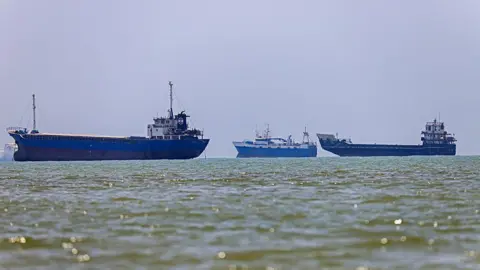
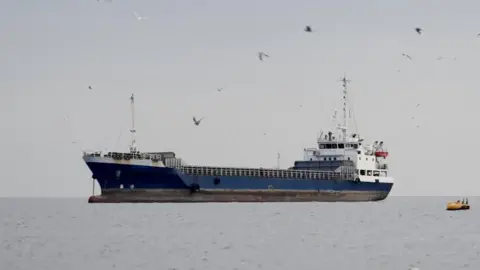
The blockade is expected to be enforced on vessels of all nations entering or departing Iranian ports, with exceptions made for humanitarian ships, which will be inspected prior to passage. Central Command's assertion of impartial enforcement aims to demonstrate a resolve against Iranian oil exports that have persisted amidst ongoing conflict.
Yet the future remains uncertain. Iran has exhibited remarkable endurance against prior pressures, maintaining its export levels and leveraging its oil resources. Experts, including former US special envoy David Satterfield, warn that Tehran believes it can outlast US economic pressures, especially if oil prices surge in response to renewed tensions.
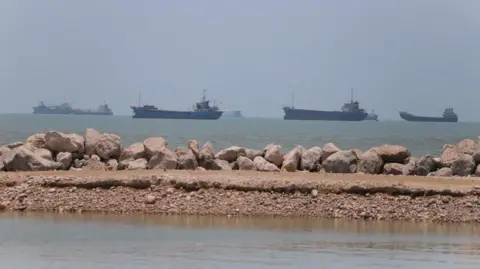
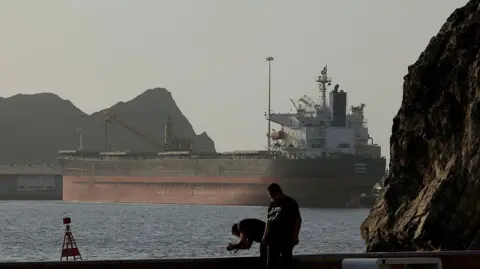
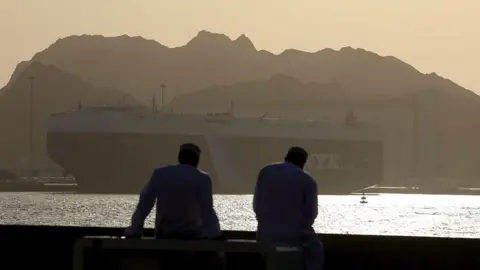
Shipping analysts are closely monitoring maritime activity around the Strait of Hormuz, with recent fluctuations indicating a keen interest among operators to navigate through or avoid potential risks associated with the blockade. The circumstances present a dual challenge: measuring the blockade's impact on Iran while safeguarding the delicate balance of global oil supplies, particularly given China's significant role as Iran's key oil importer.
As the US prepares to enforce this blockade, the global ramifications could unfold rapidly, with both Tehran and Washington navigating a high-stakes situation that affects economies far beyond the immediate region.