The Political Shake-Up: Impact of Yermak's Departure on Ukraine's Government
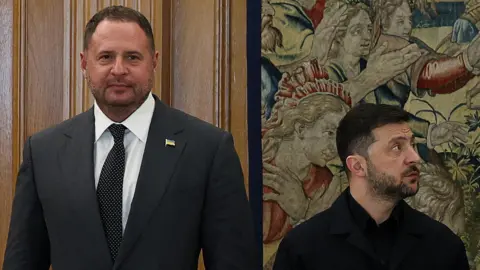
Andriy Yermak was a constant, looming presence in Ukraine's government—an imposing figure whose influence was felt at every level. As chief of staff to President Volodymyr Zelensky, Yermak not only wielded power but also engaged in significant diplomatic negotiations, even representing Ukraine in peace talks with the United States.
Yet, the tide turned dramatically when anti-corruption investigators raided his Kyiv residence, leading to his abrupt resignation—a move many view as both necessary and overdue in light of growing public resentment towards his undisputed authority. Yermak's downfall comes at a time when corruption allegations have started to shake the very core of Zelensky's government, raising urgent questions about the stability of Ukraine’s leadership.
Yermak and Zelensky’s partnership dates back to 2011 when they first met. Over the years, Yermak transformed from a legal advisor to one of the most powerful figures in the cabinet, second only to the president. His proximity to Zelensky during critical speeches, including the memorable 'We are still here' address amidst the Russian offensive, solidified his role as a key player in the war-torn nation.
However, as public faith in the administration waned, Yermak found himself increasingly isolated. In July, a governmental restructuring aimed at reducing perceived Russian influence sparked widespread protests, forcing Zelensky into a politically costly reversal. By autumn, this backdrop of discontent culminated in the exposure of serious corruption allegations involving high-ranking officials within their ranks, resulting in an intensified public outcry.
The independent findings from Ukraine's National Anti-Corruption Bureau implicated several prominent figures, igniting anger at a time when all efforts should be focused on handling external threats. Yermak’s connection to these events, while remaining technically innocent of direct allegations, made his resignation a politically expedient choice. Local media speculate that investigators are examining digital evidence linked to him, highlighting the continued scrutiny facing his office.
As Ukraine grapples with both internal dissension and external aggression, the question remains whether Yermak’s resignation serves as a much-needed reboot for a beleaguered government or if it signifies a costly loss of continuity in leadership. Furthermore, there’s a growing sentiment that this enforced change could represent a shift towards greater accountability within the Ukrainian political landscape—a sign that even amidst war, the quest for transparency and integrity persists.
As the situation unfolds, Yermak expressed his intentions to join the front lines, positioning himself as a committed public servant amidst turbulent waters. This resignation embodies not just the fall of a powerful figure but potentially a new chapter for Ukraine as it strives towards the values it aspires to uphold.