Thousands of files provided by a whistleblower at Interpol expose for the first time the extent of Russia's apparent abuse of the international policing agency to target its critics abroad. The data shared with the BBC World Service and the investigative outlet Disclose reveals that Russia is using Interpol's wanted lists to request the arrest of individuals such as political opponents, businessmen, and journalists, asserting they have committed crimes.
Analysis of the data indicates that, over the past decade, Interpol's independent complaints unit has received more complaints regarding Russia than any other country—three times more than Turkey. Furthermore, complaints against Moscow's requests have led to more overturned cases than any other nation.
Following Russia's full-scale invasion of Ukraine, Interpol introduced additional checks on Moscow's activities to avoid potential misuse concerning the targeting of individuals. However, leaked documents suggest these did not prevent the continued abuse of the system, as stricter measures were reportedly quietly dismissed in 2025.
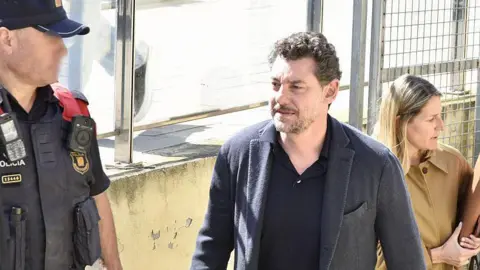
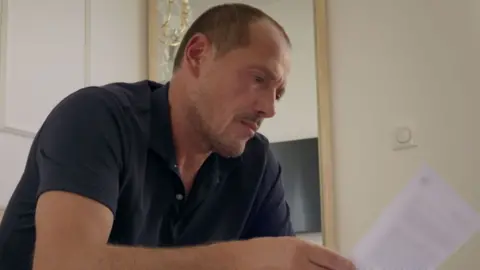
In response to accusations, Interpol maintains that thousands of serious criminals are arrested annually through its operations and that it has bolstered systems to mitigate misuse in recent years. Igor Pestrikov, a Russian businessman affected by this system, described the profound personal impact of being placed on a wanted list, which has forced him into constant fear and anxiety regarding his safety and livelihood.
Pestrikov, a significant stakeholder in Russian metals companies, claims his refusal to comply with government pressures led to his persecution—resulting in nationalization of his companies and investigations into his finances. After fleeing to France post-invasion, he discovered that he was on a wanted list through an Interpol red notice issued by Russia. Despite Interpol's constitutional safeguards against the use of its systems for political purposes, such mechanisms have proven insufficient in preventing abuses by Russia.
Liability experts and lawyers express that Interpol must do more to mitigate misuse of its systems, suggesting that countries regularly violating processes should face suspension. They emphasize that without stronger checks, Russia could easily target critics worldwide with little oversight.
Analysis of the data indicates that, over the past decade, Interpol's independent complaints unit has received more complaints regarding Russia than any other country—three times more than Turkey. Furthermore, complaints against Moscow's requests have led to more overturned cases than any other nation.
Following Russia's full-scale invasion of Ukraine, Interpol introduced additional checks on Moscow's activities to avoid potential misuse concerning the targeting of individuals. However, leaked documents suggest these did not prevent the continued abuse of the system, as stricter measures were reportedly quietly dismissed in 2025.
In response to accusations, Interpol maintains that thousands of serious criminals are arrested annually through its operations and that it has bolstered systems to mitigate misuse in recent years. Igor Pestrikov, a Russian businessman affected by this system, described the profound personal impact of being placed on a wanted list, which has forced him into constant fear and anxiety regarding his safety and livelihood.
Pestrikov, a significant stakeholder in Russian metals companies, claims his refusal to comply with government pressures led to his persecution—resulting in nationalization of his companies and investigations into his finances. After fleeing to France post-invasion, he discovered that he was on a wanted list through an Interpol red notice issued by Russia. Despite Interpol's constitutional safeguards against the use of its systems for political purposes, such mechanisms have proven insufficient in preventing abuses by Russia.
Liability experts and lawyers express that Interpol must do more to mitigate misuse of its systems, suggesting that countries regularly violating processes should face suspension. They emphasize that without stronger checks, Russia could easily target critics worldwide with little oversight.