Thailand and Cambodia have agreed to an immediate ceasefire, the defence ministers of the two countries said in a joint statement on Saturday.
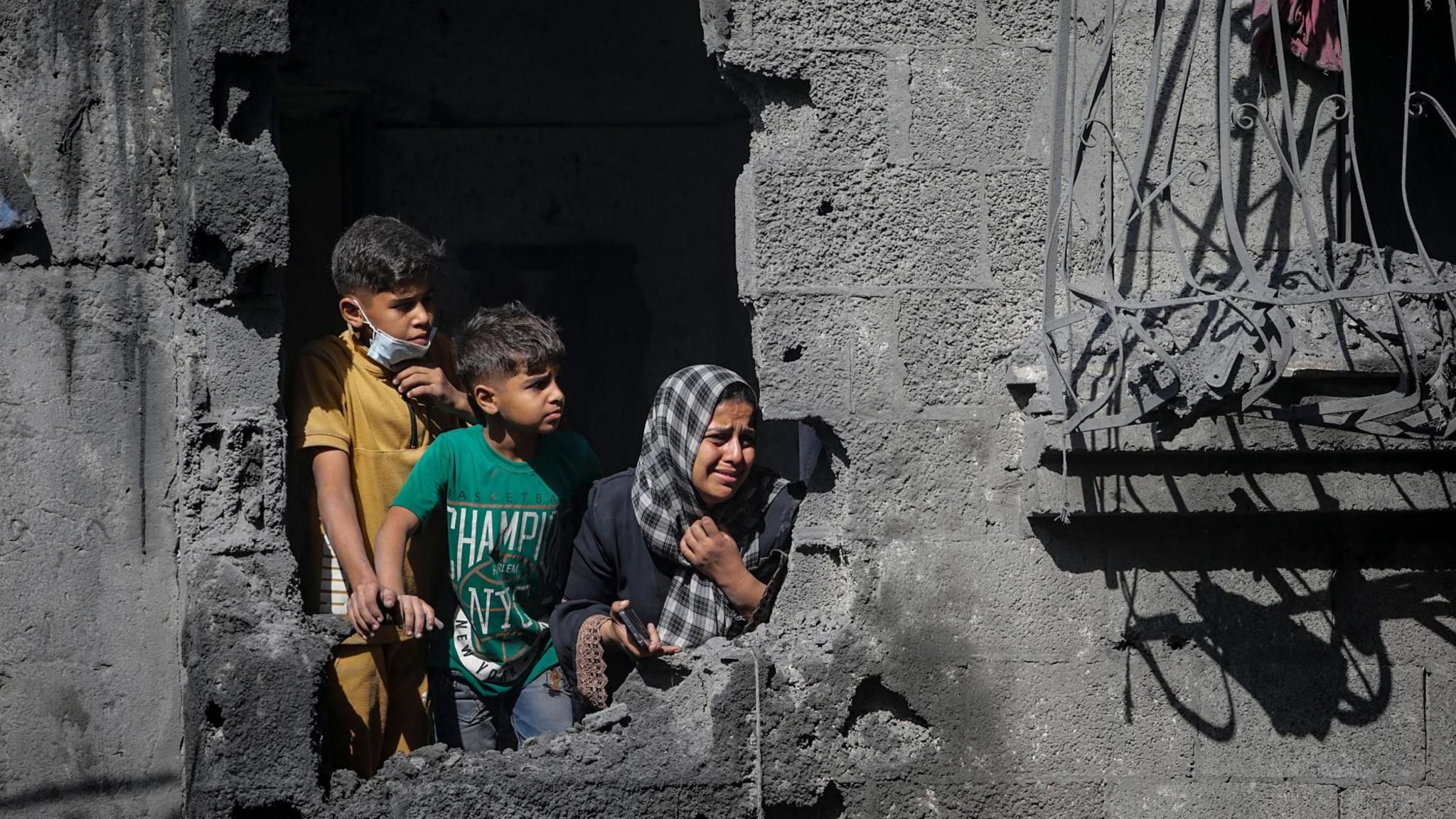
Both sides have agreed to freeze all troop movements and allow civilians living in border areas to return home, halting weeks of intense border clashes that have killed at least 41 people and displaced almost a million people.
The ceasefire took effect at noon local time (05:00 GMT). Once it has held for 72 hours, 18 Cambodian soldiers held by Thailand will also be released, the statement said.
The breakthrough came after Thai and Cambodian officials held several days of talks aimed at ending fresh fighting between the two countries.
The joint statement outlines the terms of de-escalation, which includes ceasing attacks on civilians, civilian objects and infrastructures, and military objectives of either side.
Both sides must avoid unprovoked firing or advancement or movement of troops towards the other side's positions or troops, the statement said.
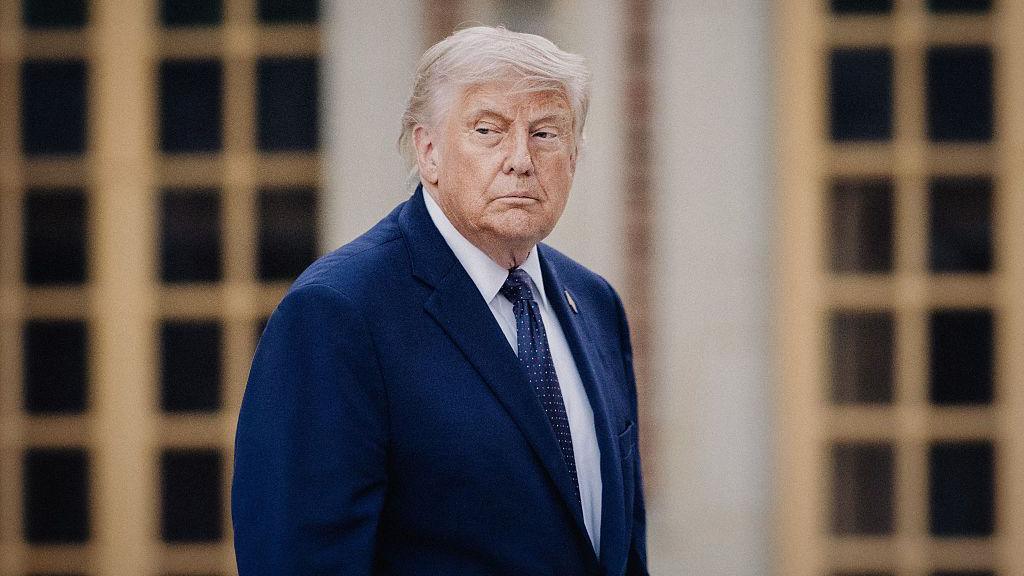
The statement also mentioned that the release of the 18 Cambodian soldiers held by Thailand would be conducted in the spirit of the Kuala Lumpur Declaration, an agreement between the two countries signed at a ceremony attended by US President Donald Trump in October.
That ceasefire agreement was broken earlier this month when fresh clashes erupted. Both sides have since blamed each other for the breakdown of the truce.
The Thai army claimed its troops responded to Cambodian fire in Thailand's Ubon Ratchathani Province, which resulted in the death of a Thai soldier. Conversely, Cambodia's defence ministry asserted that it was Thailand that initiated the attack in Preah Vihear province.
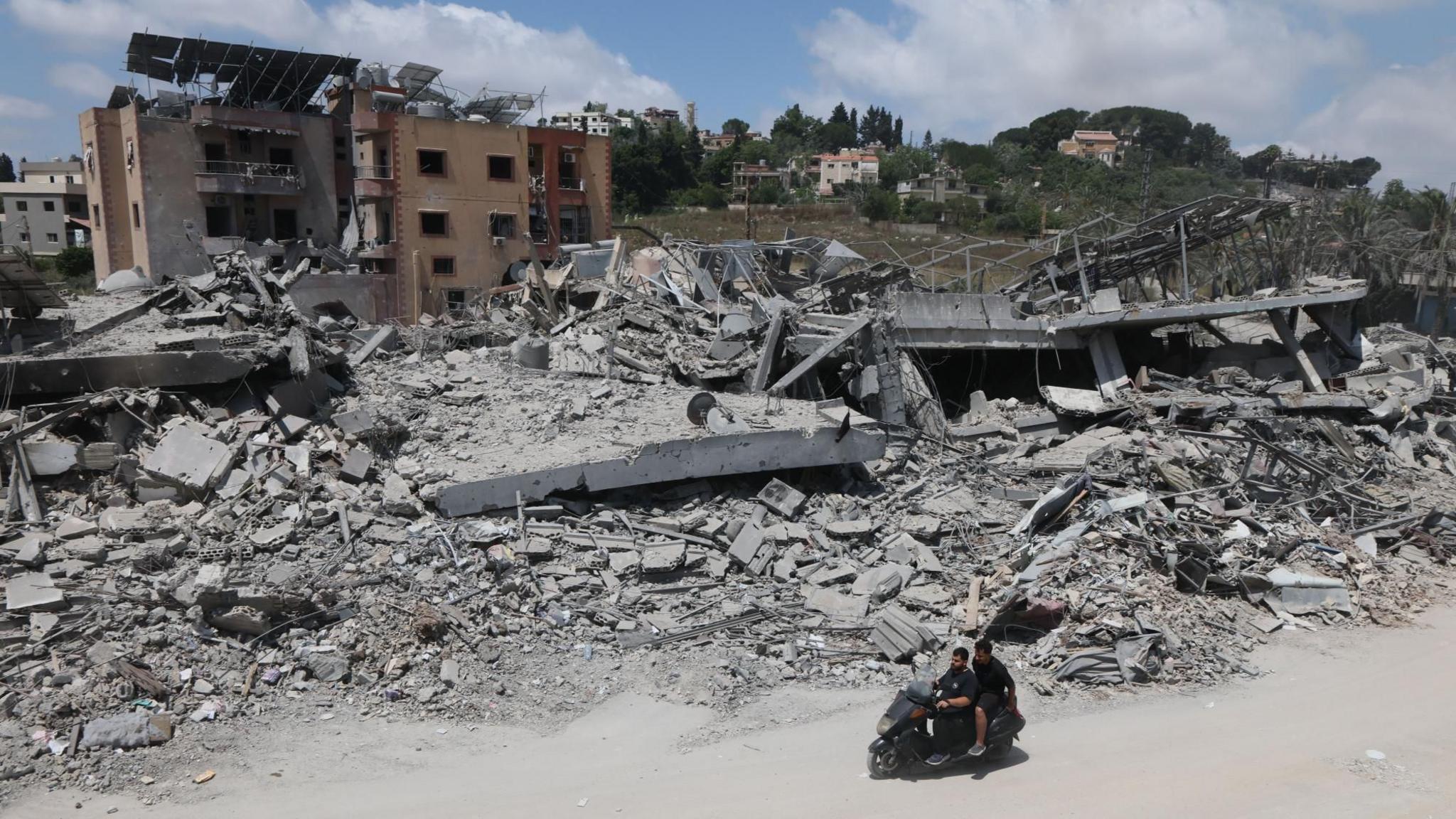
Throughout December, clashes persisted, including air strikes by Thailand on disputed border regions. The strikes were described by Cambodia as indiscriminate attacks against civilian homes.
Border disputes between Thailand and Cambodia span over a century, intensifying significantly earlier this year following the death of a Cambodian soldier in a clash. In July, intense fighting led to numerous fatalities and thousands of displaced civilians.
A fragile ceasefire was negotiated following interventions by Malaysia and the United States, leading to the signing of the Kuala Lumpur Peace Accords. However, the agreement faced setbacks, with Thailand pausing its implementation, citing ongoing security threats.