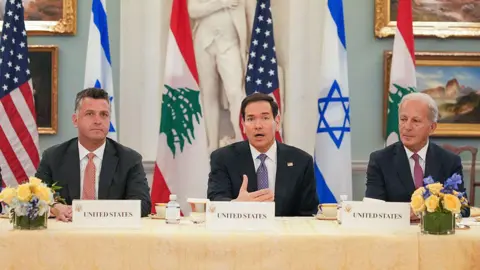
Lebanon and Israel have held their first diplomatic talks in over three decades, a rare encounter aimed at ending fighting between Israel and the Iran-backed Hezbollah group.
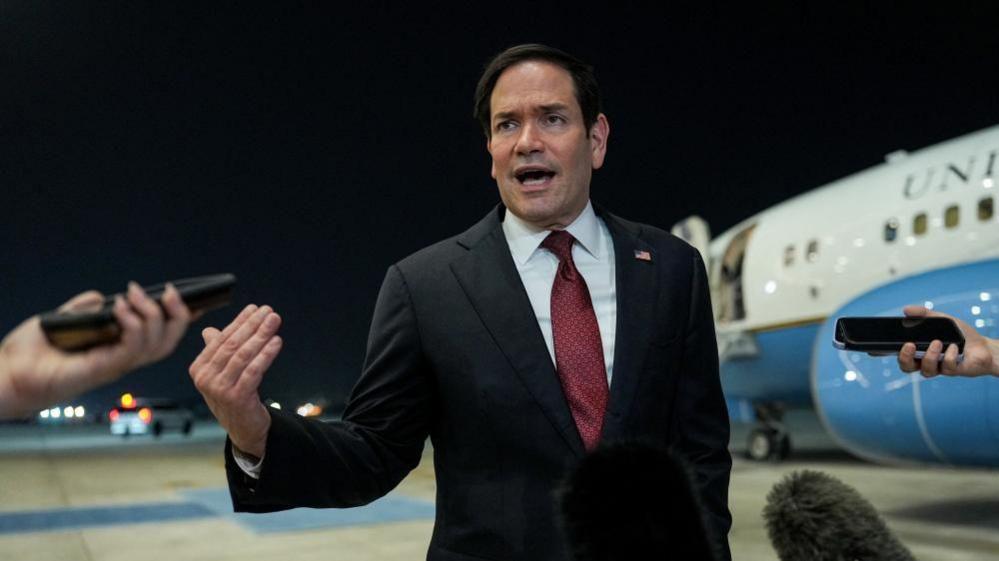
US Secretary of State Marco Rubio, who mediated the discussions, termed it a historic opportunity to curtail Hezbollah's influence.
A US statement revealed that both parties agreed to initiate direct negotiations at a mutually convenient time and location. Israel's objectives include disarming all non-state terrorist groups, explicitly referring to Hezbollah.
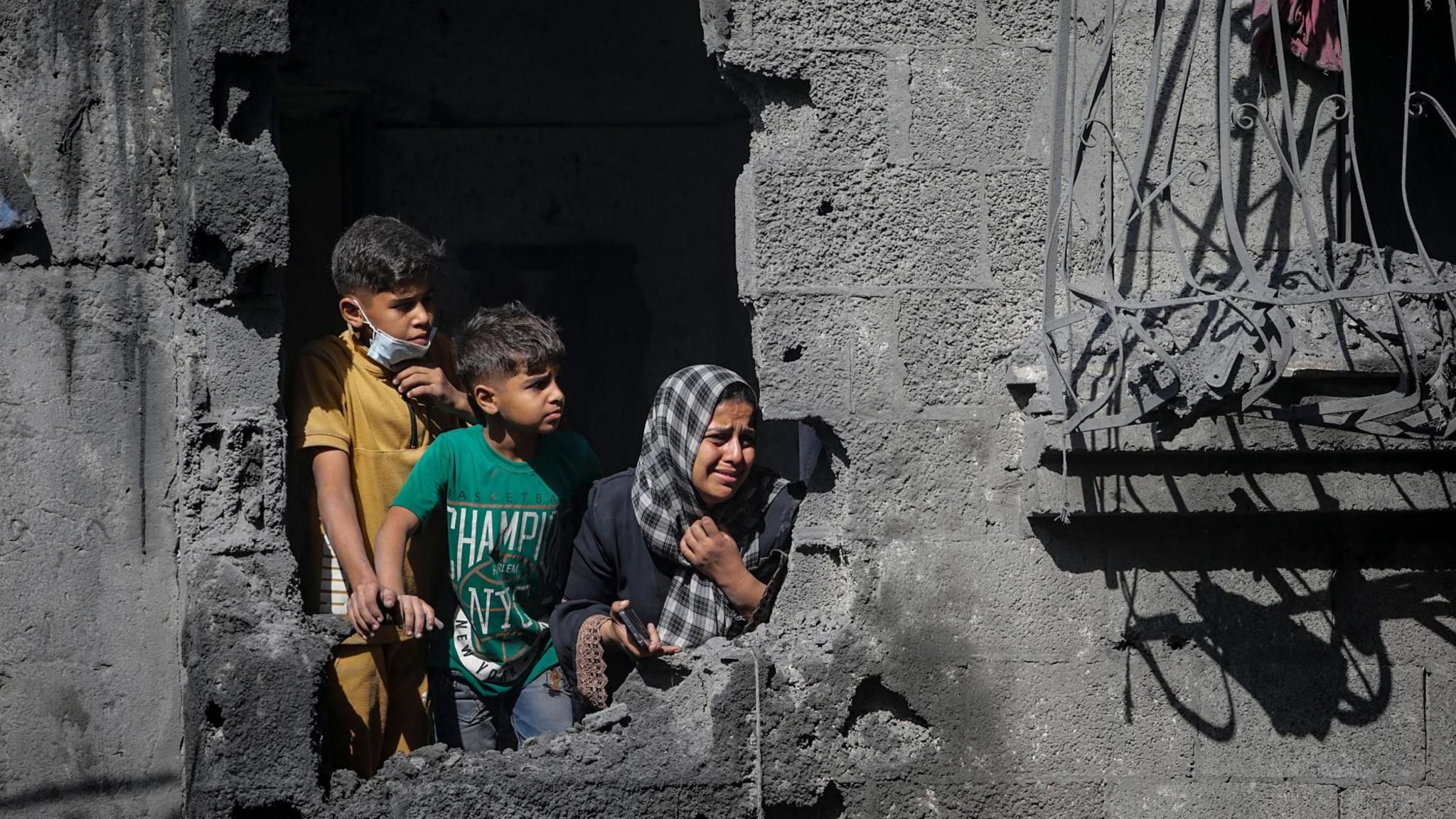
On the other hand, Lebanon has called for a ceasefire and urgent measures to tackle the humanitarian crisis in the country. The two nations currently lack diplomatic ties, with the last high-level discussions occurring in 1993.
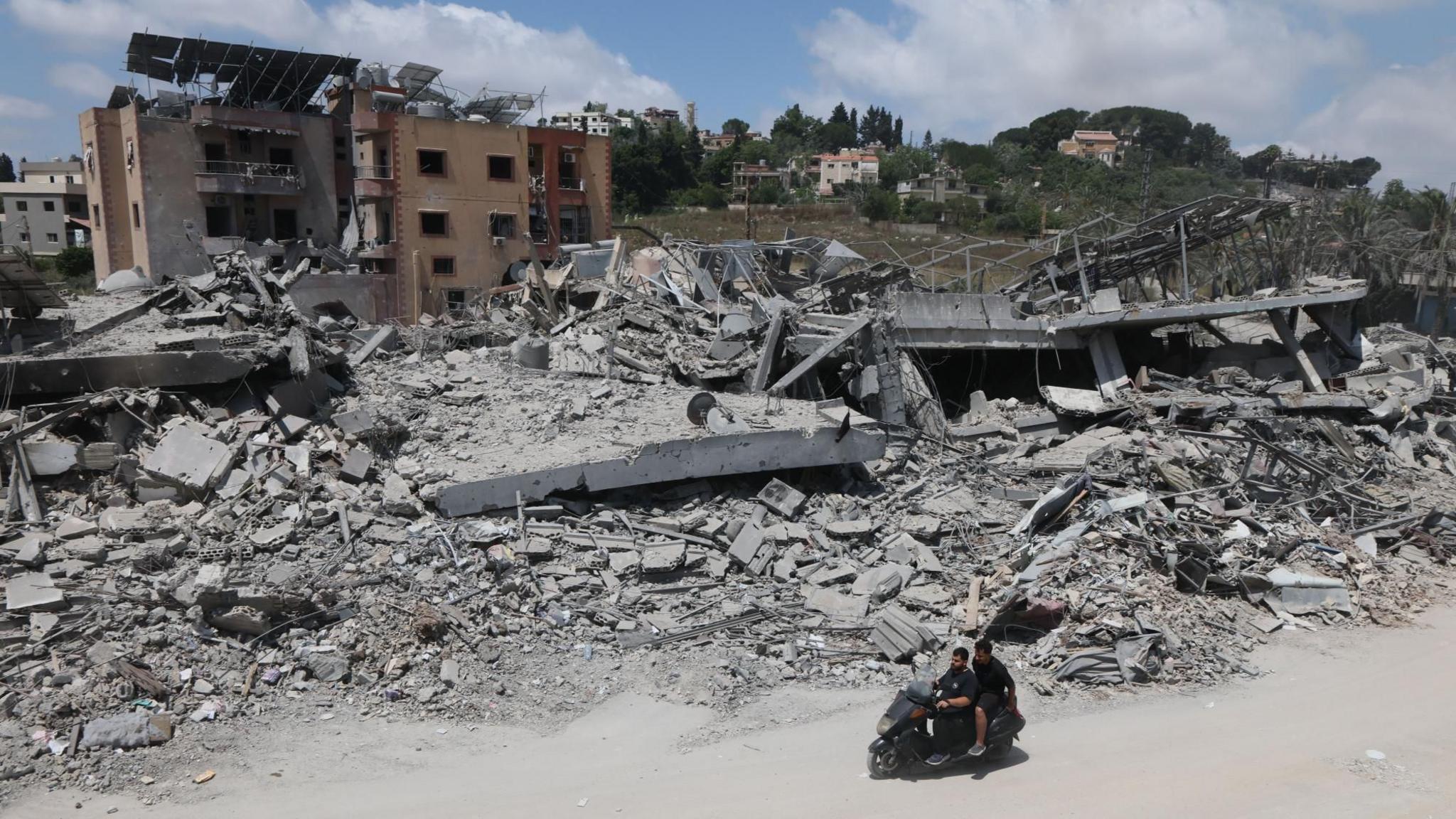
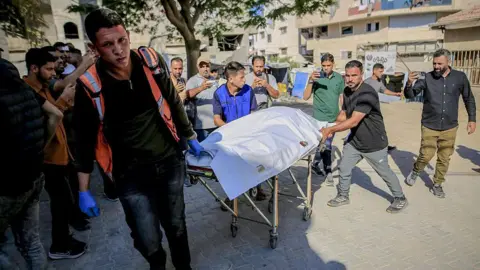
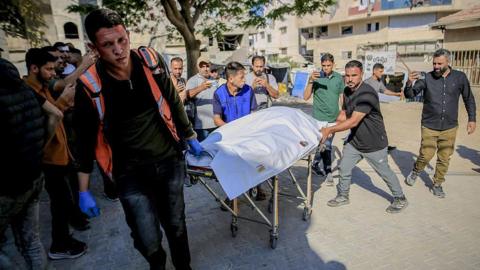
Since Israeli military operations escalated on March 2, over 2,000 individuals have lost their lives, coinciding with US and Israeli strikes targeting Iran.
During the talks in Washington, Hezbollah purportedly conducted at least 24 attacks targeting Israel and its troops positioned in Lebanon. Alarm systems for drones and rockets were activated across northern Israel throughout the day.
Israel asserts its military maneuvers in Lebanon seek to neutralize and dismantle the group, which previously engaged Israel in 2023 and 2024 amidst ongoing hostilities in Gaza.
According to spokesperson Tommy Pigott, both Israel and Lebanon agreed on a strategic direction to lessen Hezbollah's dominance. The Lebanese delegation also emphasized the need for a ceasefire and concrete measures aimed at alleviating the humanitarian crisis.
Furthermore, the US has reiterated support for Israel's right to defend itself against Hezbollah's hostility. Rubio described the meeting as a lengthy process requiring time, but expressed hope for significant progress in the future.
Lebanese President Joseph Aoun articulated optimism that the talks signal a potential end to the suffering of the Lebanese populace, particularly in the southern regions.
However, the Lebanese government's ability to face Hezbollah is constrained, with a senior Hezbollah official asserting that they would disregard any agreement forged in Washington. With Hezbollah's substantial influence in southern Lebanon and proximity to Beirut, prospects for meaningful advancements remain uncertain.
Looking ahead, as Israel continues its operations, the potential for a stable resolution will depend heavily on addressing both the military threats and the humanitarian conditions affecting Lebanon.