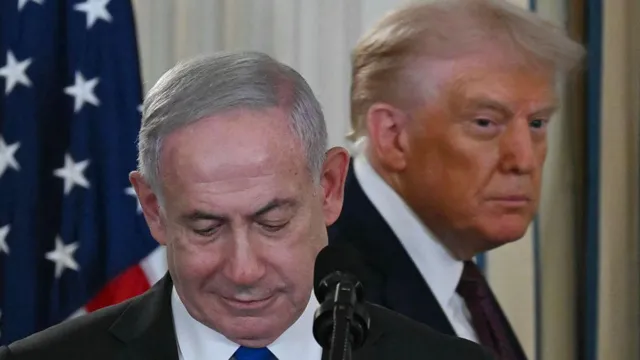
President Donald Trump has hinted that talks aimed at resolving the ongoing conflict with Iran could resume this week after negotiations collapsed over the weekend, leading to the US imposing a blockade on Iranian ports. Speaking in an interview with the New York Post, Trump remarked, You should stay there [Islamabad], really, because something could be happening over the next two days, and we're more inclined to go there.
The US military reported that no ships had passed through the blockade during the first 24 hours of its implementation, raising concerns about a two-week ceasefire set to expire soon. The Iranian response to Trump's comments is still awaited, but UN Secretary General António Guterres has suggested that resuming talks is likely.
In parallel to this, Gulf, Pakistani, and Iranian officials indicated that negotiating teams from Washington and Tehran might return to Pakistan for discussions later this week. The potential for continued diplomatic engagement has eased some tensions in oil markets, dropping benchmark prices below $100.
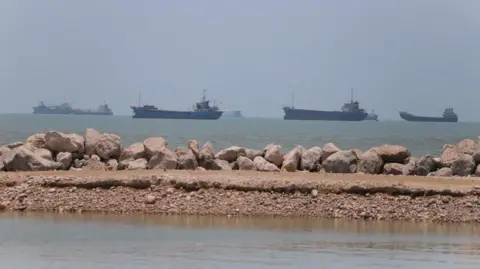
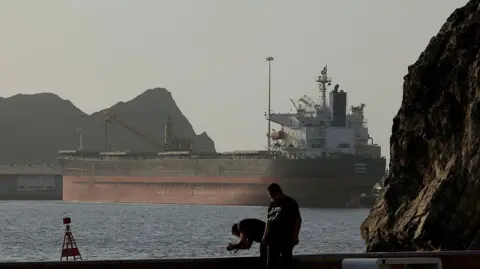
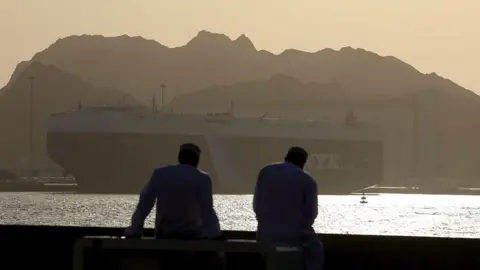
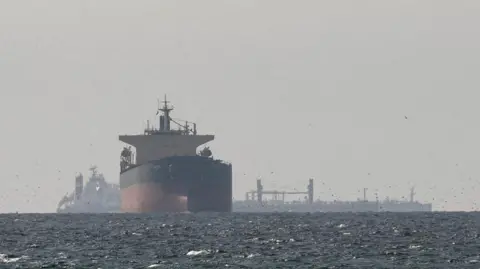
The blockade aims to sever Iran's key economic connections, particularly targeting the oil revenue and tolls collected from ships navigating through the vital Strait of Hormuz. The US Central Command (Centcom) reported that six merchant vessels complied with the directive to turn around and return to Iranian ports within the blockade's first day.
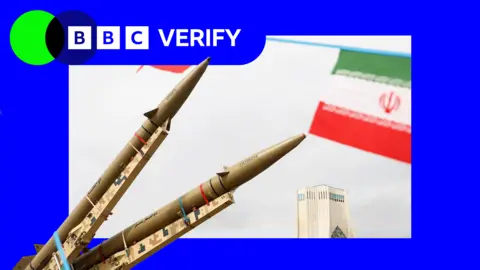
Despite the blockade, ship-tracking data revealed that at least four Iran-linked vessels successfully crossed the Strait of Hormuz. Initial negotiations in Islamabad failed to produce a deal, significantly over disagreements related to Iran's nuclear ambitions. The US proposed a 20-year suspension of uranium enrichment, while Iran sought a five-year pause.
As the blockade continues, worries mount regarding its impact on the global economy, especially as the IMF has cautioned that the ongoing conflict could lead to a recession. US Treasury Secretary Scott Bessent stated that while some economic pain may be necessary for long-term security, it has drawn criticism, with China condemning the blockade as dangerous and irresponsible.
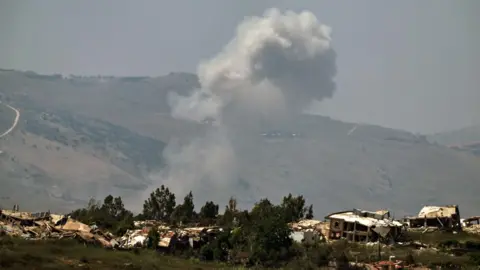
In related news, direct negotiations have begun between Israel and Lebanon following Israeli airstrikes targeting Hezbollah. The US has clarified that these talks are separate from ongoing discussions with Iran.
The US military reported that no ships had passed through the blockade during the first 24 hours of its implementation, raising concerns about a two-week ceasefire set to expire soon. The Iranian response to Trump's comments is still awaited, but UN Secretary General António Guterres has suggested that resuming talks is likely.
In parallel to this, Gulf, Pakistani, and Iranian officials indicated that negotiating teams from Washington and Tehran might return to Pakistan for discussions later this week. The potential for continued diplomatic engagement has eased some tensions in oil markets, dropping benchmark prices below $100.
The blockade aims to sever Iran's key economic connections, particularly targeting the oil revenue and tolls collected from ships navigating through the vital Strait of Hormuz. The US Central Command (Centcom) reported that six merchant vessels complied with the directive to turn around and return to Iranian ports within the blockade's first day.
Despite the blockade, ship-tracking data revealed that at least four Iran-linked vessels successfully crossed the Strait of Hormuz. Initial negotiations in Islamabad failed to produce a deal, significantly over disagreements related to Iran's nuclear ambitions. The US proposed a 20-year suspension of uranium enrichment, while Iran sought a five-year pause.
As the blockade continues, worries mount regarding its impact on the global economy, especially as the IMF has cautioned that the ongoing conflict could lead to a recession. US Treasury Secretary Scott Bessent stated that while some economic pain may be necessary for long-term security, it has drawn criticism, with China condemning the blockade as dangerous and irresponsible.
In related news, direct negotiations have begun between Israel and Lebanon following Israeli airstrikes targeting Hezbollah. The US has clarified that these talks are separate from ongoing discussions with Iran.