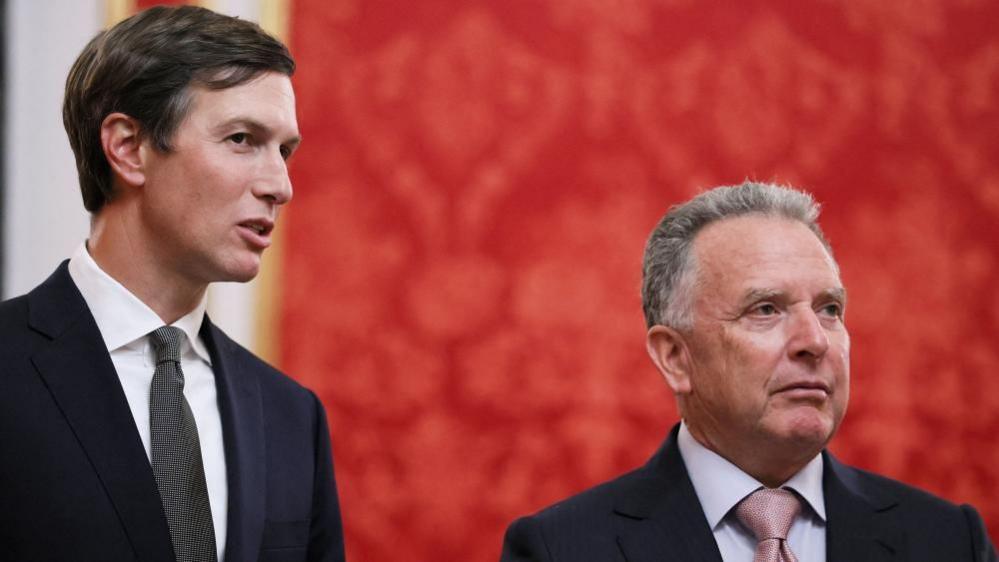
Lebanon and Israel have held their first diplomatic talks in over three decades, a rare encounter aimed at ending fighting between Israel and the Iran-backed Hezbollah group.
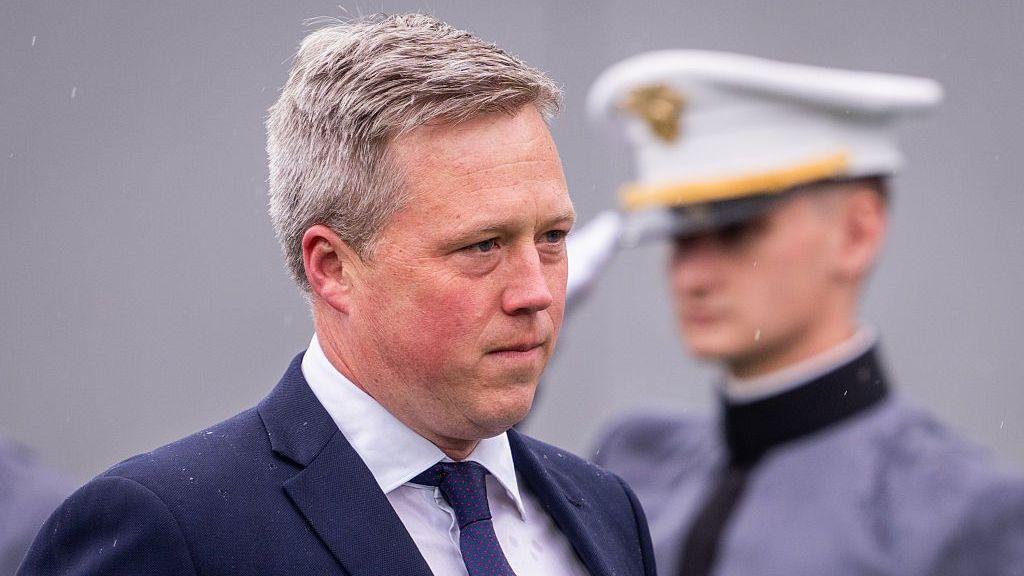
US Secretary of State Marco Rubio, who mediated, said it was a 'historic opportunity' to end Hezbollah's influence. A US statement indicated that both sides agreed to initiate direct negotiations at a time and place to be determined; however, Israel expressed its intent to disarm all non-state terror groups, making particular reference to Hezbollah.
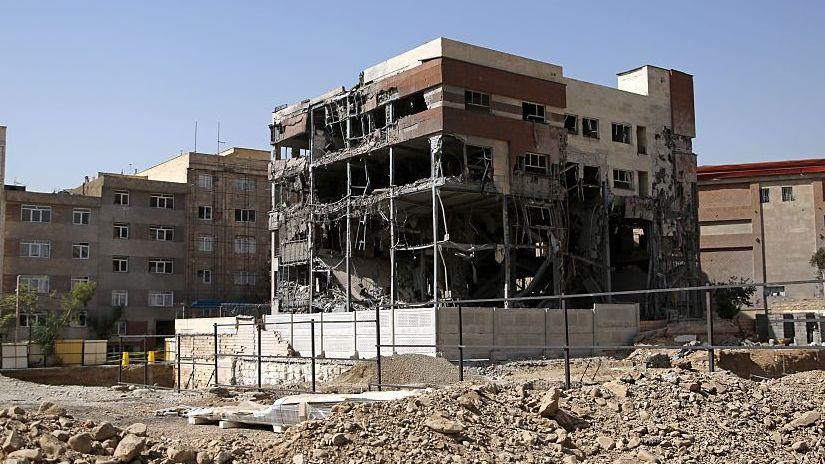
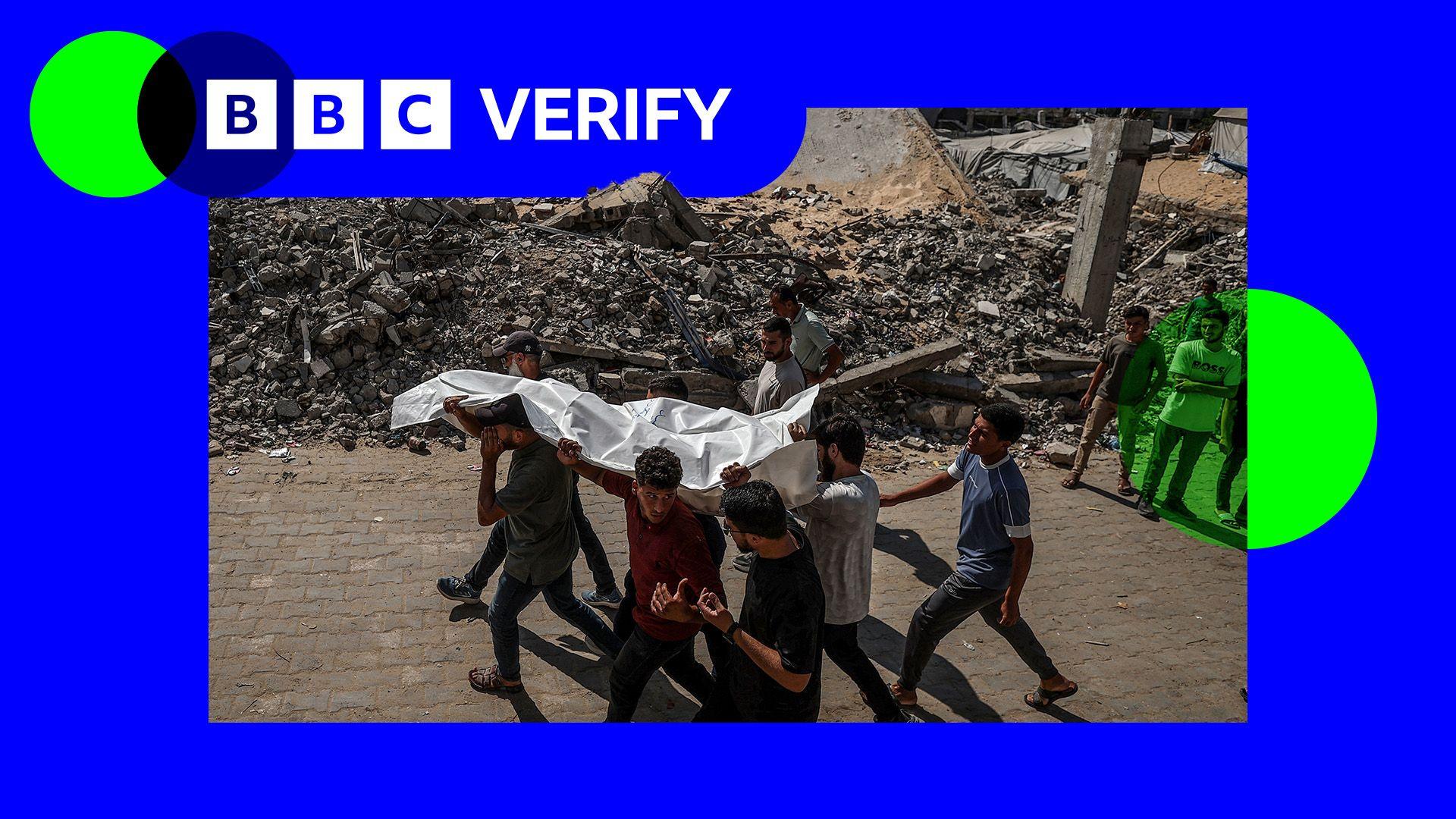
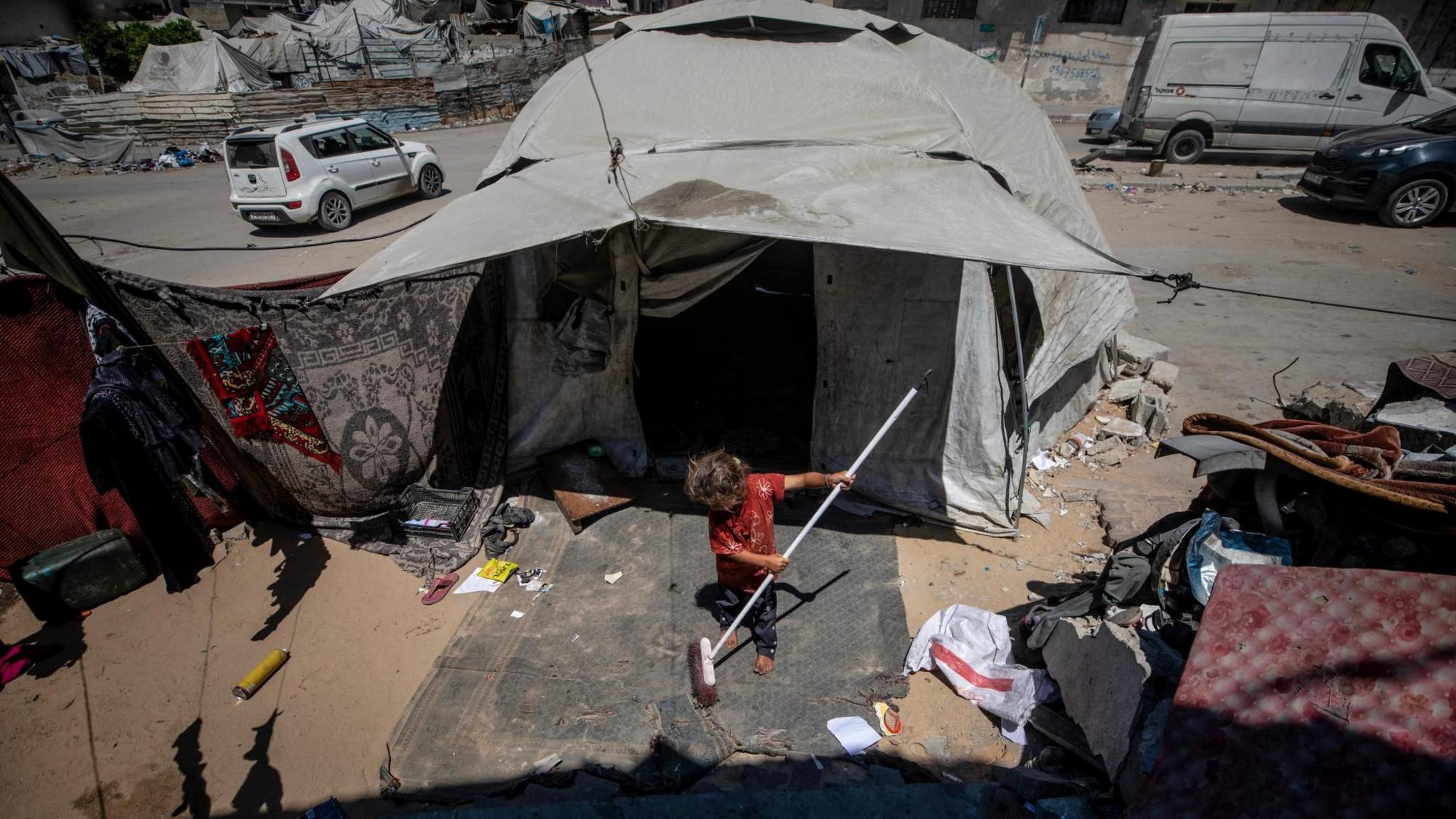
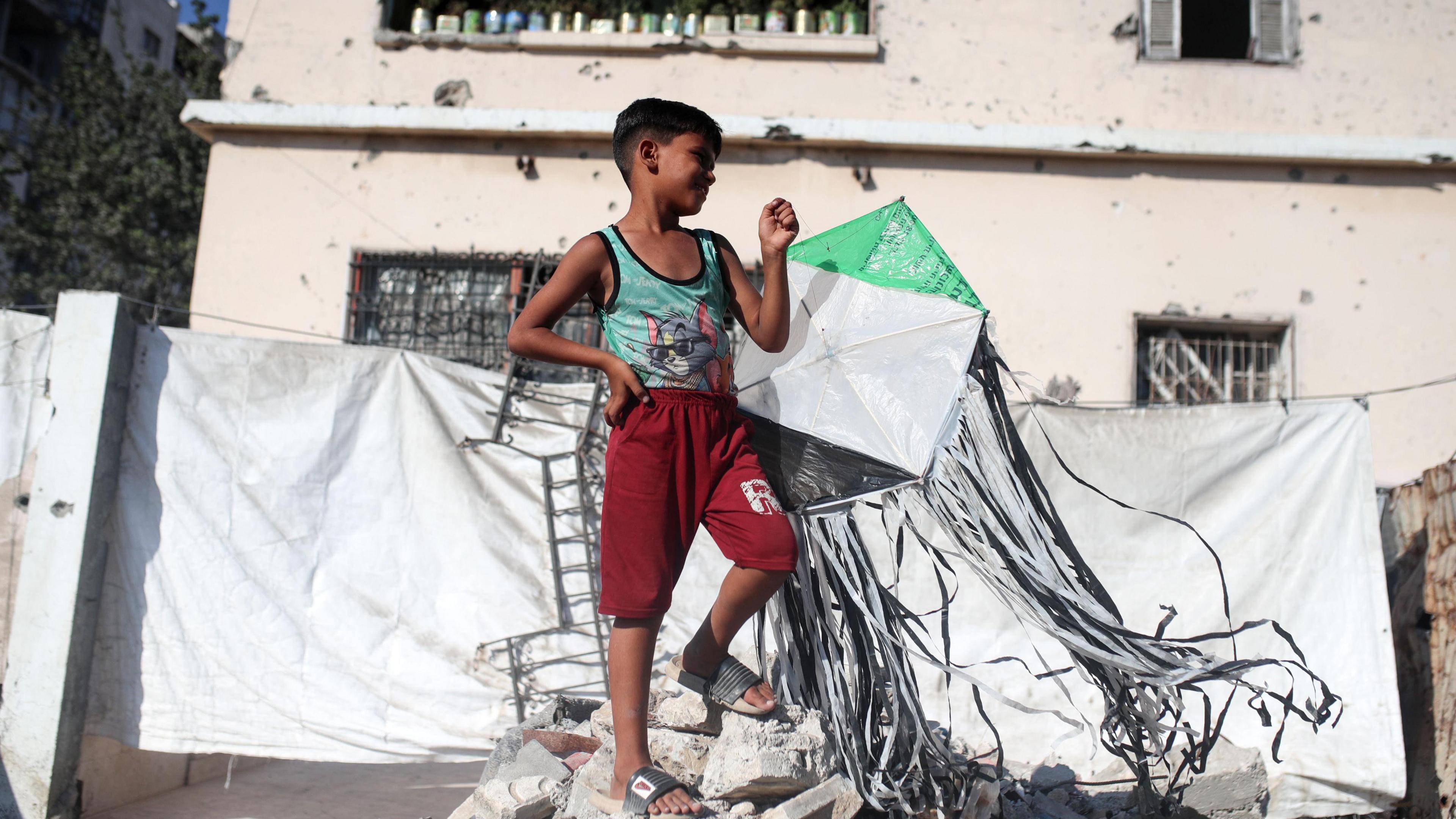
Lebanon called for a ceasefire, citing a humanitarian crisis that is facing its people. The two nations do not have formal diplomatic relations, and the last high-level direct talks happened in 1993. Since Israeli military operations commenced on March 2nd, over 2,000 individuals have died, exacerbating the humanitarian crisis, with approximately one million people displaced due to the ongoing conflict.
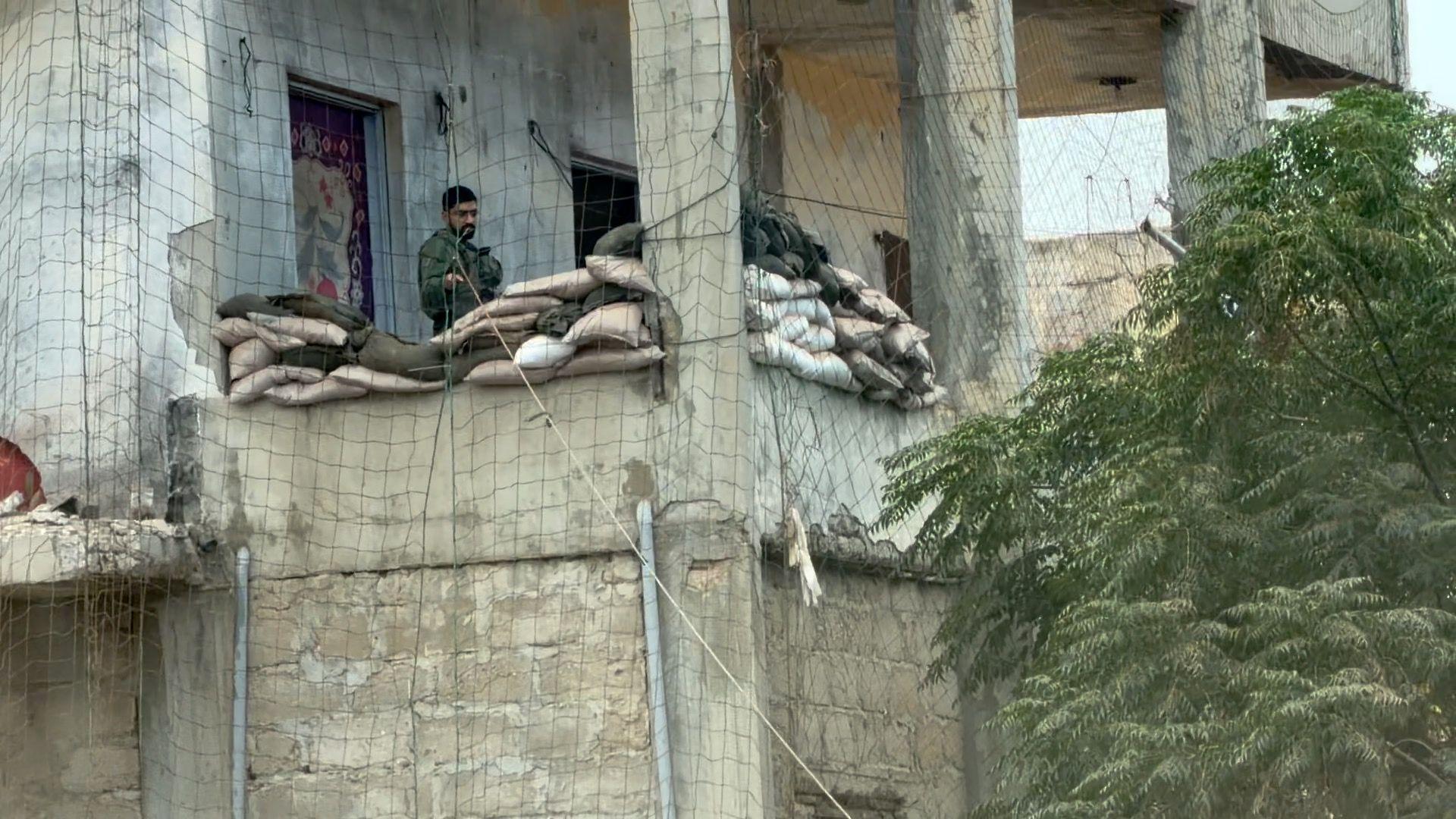
While the meeting was taking place in Washington, Hezbollah claimed responsibility for at least 24 attacks on Israel and its troops in Lebanon, prompting alerts from drone and rocket alarms in northern Israel.
Israel maintains that its operations in Lebanon are focused on dismantling Hezbollah, a group it has clashed with over the years, including under the shadow of the ongoing war in Gaza in 2023 and 2024.
A US state department spokesperson remarked that both Israel and Lebanon were committed to diminishing Hezbollah's influence, while Lebanon reiterated its urgent plea for a ceasefire and measures to alleviate its dire humanitarian situation. Amid ongoing tensions, Secretary Rubio characterized the meetings as a 'process' that requires time but carries significant importance for regional stability. Lebanese President Joseph Aoun also voiced hopes that these talks would mark an end to the suffering of the Lebanese people, stressing that security in the region should rest solely with the Lebanese armed forces, despite the limited capacity to confront Hezbollah.
Significantly, a senior Hezbollah member dismissed any agreement reached in these discussions and emphasized the group's autonomy, asserting, 'We are not bound by what they agreed to.' With Hezbollah's extensive influence in southern Lebanon and its intertwined relationship with the local government, the path toward lasting peace remains steep and complicated.
US Secretary of State Marco Rubio, who mediated, said it was a 'historic opportunity' to end Hezbollah's influence. A US statement indicated that both sides agreed to initiate direct negotiations at a time and place to be determined; however, Israel expressed its intent to disarm all non-state terror groups, making particular reference to Hezbollah.
Lebanon called for a ceasefire, citing a humanitarian crisis that is facing its people. The two nations do not have formal diplomatic relations, and the last high-level direct talks happened in 1993. Since Israeli military operations commenced on March 2nd, over 2,000 individuals have died, exacerbating the humanitarian crisis, with approximately one million people displaced due to the ongoing conflict.
While the meeting was taking place in Washington, Hezbollah claimed responsibility for at least 24 attacks on Israel and its troops in Lebanon, prompting alerts from drone and rocket alarms in northern Israel.
Israel maintains that its operations in Lebanon are focused on dismantling Hezbollah, a group it has clashed with over the years, including under the shadow of the ongoing war in Gaza in 2023 and 2024.
A US state department spokesperson remarked that both Israel and Lebanon were committed to diminishing Hezbollah's influence, while Lebanon reiterated its urgent plea for a ceasefire and measures to alleviate its dire humanitarian situation. Amid ongoing tensions, Secretary Rubio characterized the meetings as a 'process' that requires time but carries significant importance for regional stability. Lebanese President Joseph Aoun also voiced hopes that these talks would mark an end to the suffering of the Lebanese people, stressing that security in the region should rest solely with the Lebanese armed forces, despite the limited capacity to confront Hezbollah.
Significantly, a senior Hezbollah member dismissed any agreement reached in these discussions and emphasized the group's autonomy, asserting, 'We are not bound by what they agreed to.' With Hezbollah's extensive influence in southern Lebanon and its intertwined relationship with the local government, the path toward lasting peace remains steep and complicated.