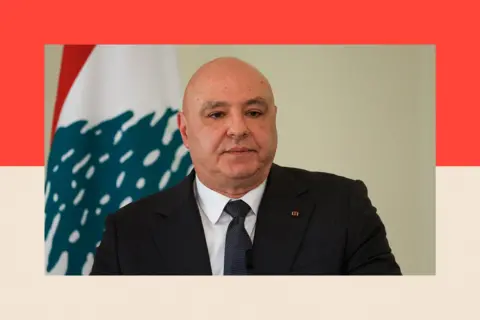
Lebanon is caught in a cycle of conflict once again, with a critical focus on Hezbollah's disarmament. President Joseph Aoun's recent statements express an optimistic desire for peace negotiations, yet the reality remains complex. Aoun's administration grapples with the longstanding power of Hezbollah, a group deeply intertwined with both Iran and the Lebanese social fabric.
Historical context reveals Hezbollah's formation during the Israeli occupation in the 1980s, and its sustained military power has thwarted earlier disarmament agreements mandated by the Taif Accord in 1989 and UN Resolution 1701 in 2006. Both domestic and international pressures have exacerbated the situation as Hezbollah's supporters view the militia as essential protection against perceived Israeli aggression.
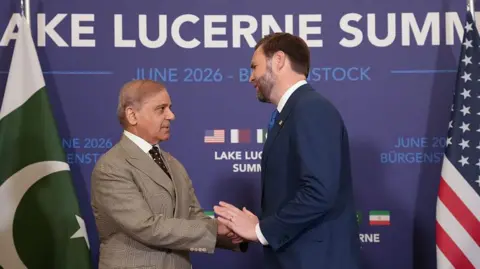
Recent escalations have seen Hezbollah retaliating against Israeli assaults, indicating the fragility of any ceasefire. As President Aoun attempts to take a diplomatic approach, proposing direct negotiations with Israel, the Lebanese government faces an uphill battle—lacking leverage over Hezbollah, which firmly rejects any discussion of disarmament.
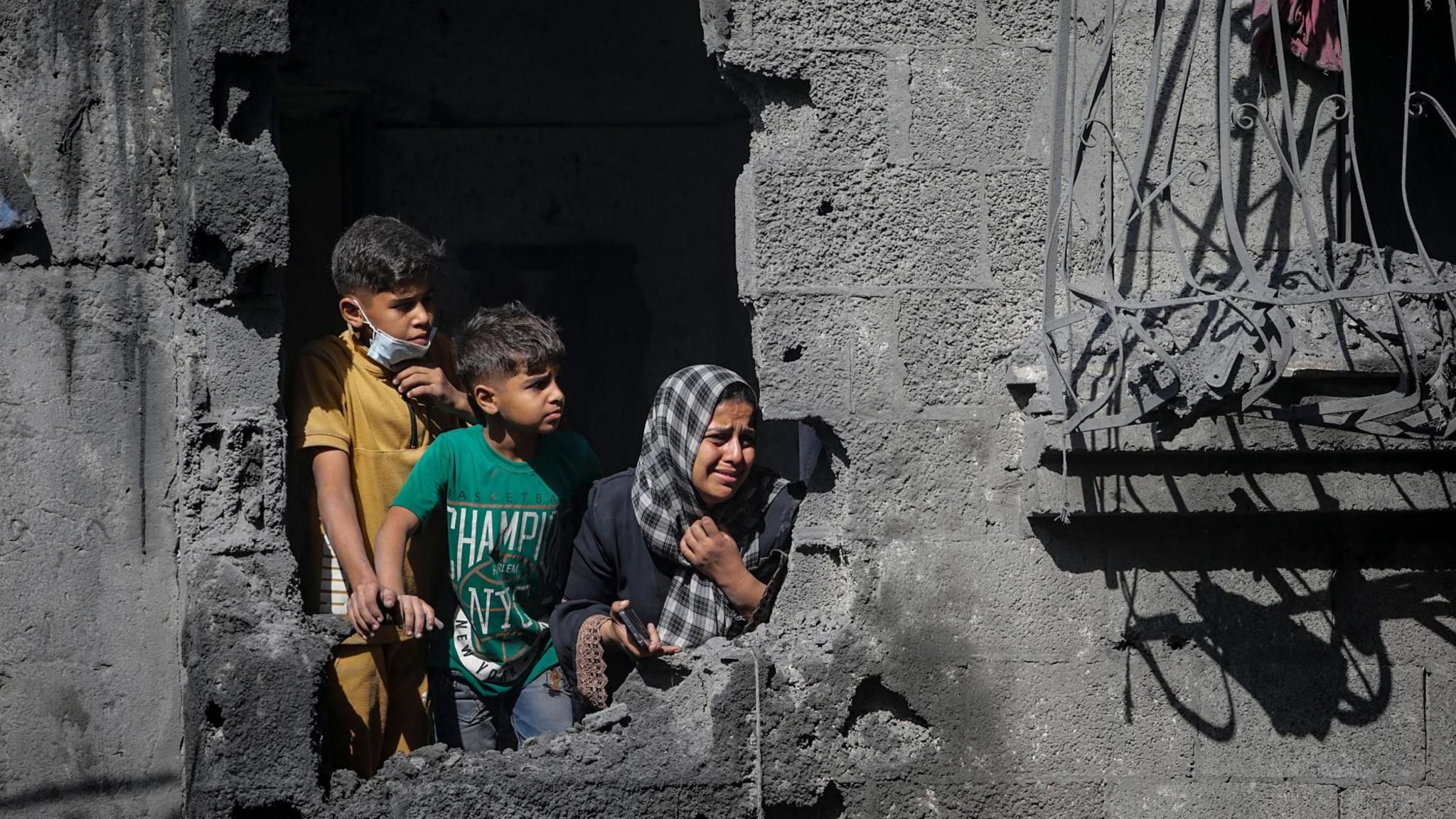
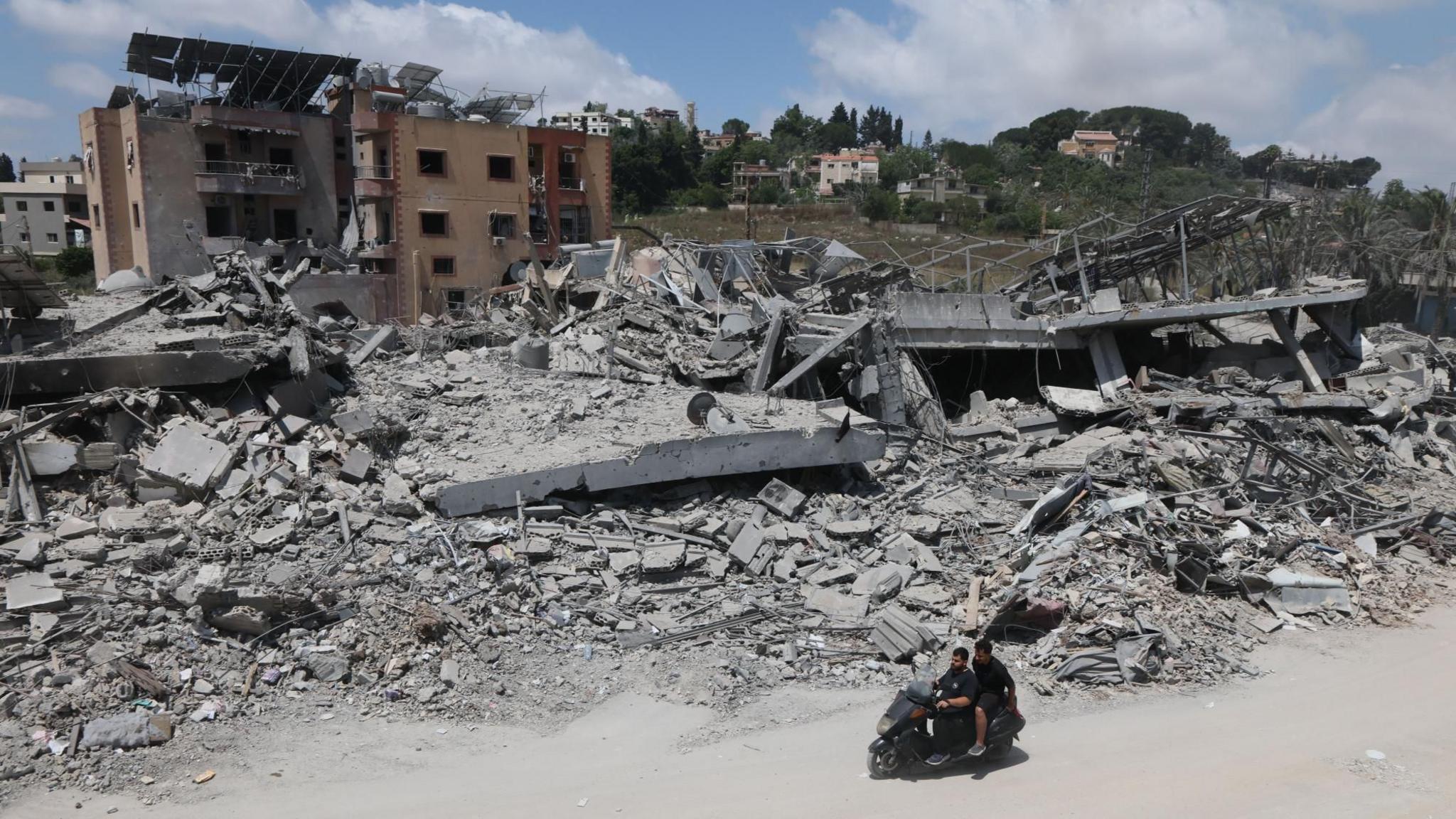
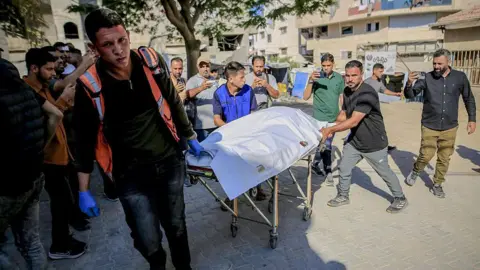
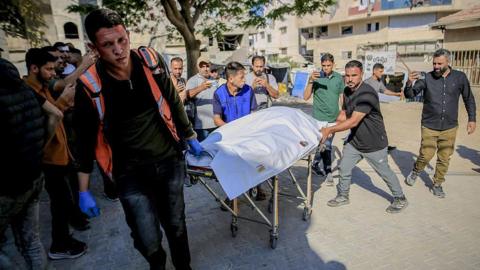
Amidst renewed Israeli airstrikes that have devastated parts of Lebanon, the humanitarian impact continues to unfold, with over 1.2 million people displaced. As violence continues, the chances for a lasting peace remain uncertain, and many Lebanese citizens, reflecting on decades of turmoil, express a desire for change yet grapple with the ever-present fear of further conflict.
Historical context reveals Hezbollah's formation during the Israeli occupation in the 1980s, and its sustained military power has thwarted earlier disarmament agreements mandated by the Taif Accord in 1989 and UN Resolution 1701 in 2006. Both domestic and international pressures have exacerbated the situation as Hezbollah's supporters view the militia as essential protection against perceived Israeli aggression.
Recent escalations have seen Hezbollah retaliating against Israeli assaults, indicating the fragility of any ceasefire. As President Aoun attempts to take a diplomatic approach, proposing direct negotiations with Israel, the Lebanese government faces an uphill battle—lacking leverage over Hezbollah, which firmly rejects any discussion of disarmament.
Amidst renewed Israeli airstrikes that have devastated parts of Lebanon, the humanitarian impact continues to unfold, with over 1.2 million people displaced. As violence continues, the chances for a lasting peace remain uncertain, and many Lebanese citizens, reflecting on decades of turmoil, express a desire for change yet grapple with the ever-present fear of further conflict.