Teen Girl Charged With Murder After Livestreaming San Diego Mosque Attack
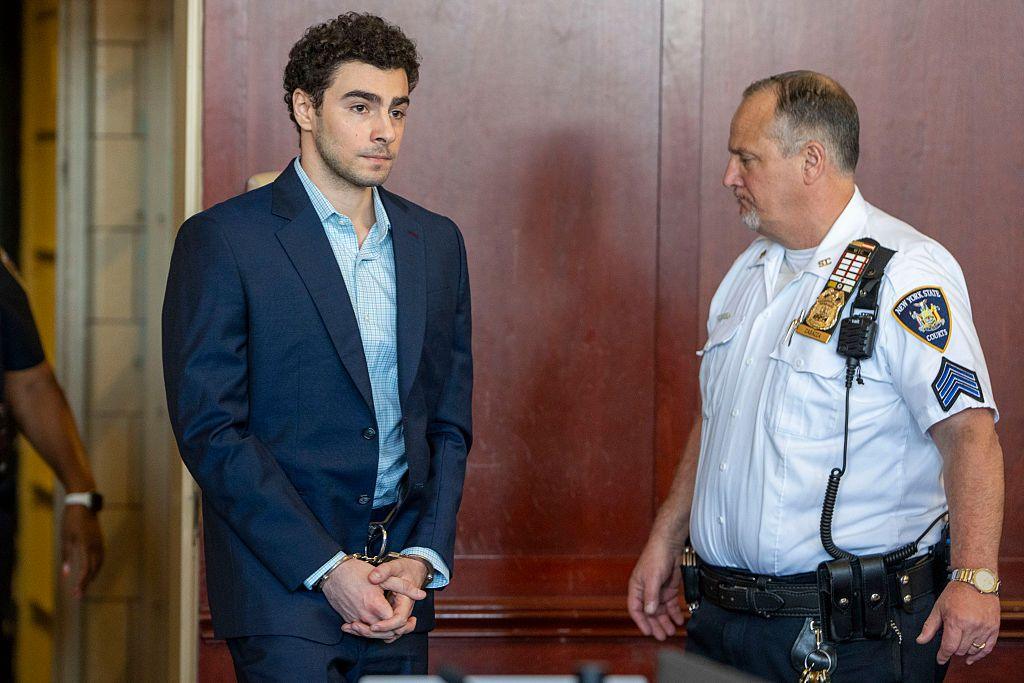
A 17‑year‑old girl from North Carolina has been indicted for murder by aiding and abetting following prosecutors’ claim that she broadcast a livestream of the May 18, 2026, assault on the Islamic Center of San Diego. The attack saw two teenage gunmen—aged 17 and 18—fire into the mosque, killing three people. Authorities say the shooter duo also recorded the sequence using helmet‑mounted cameras before the gunmen allegedly committed suicide.
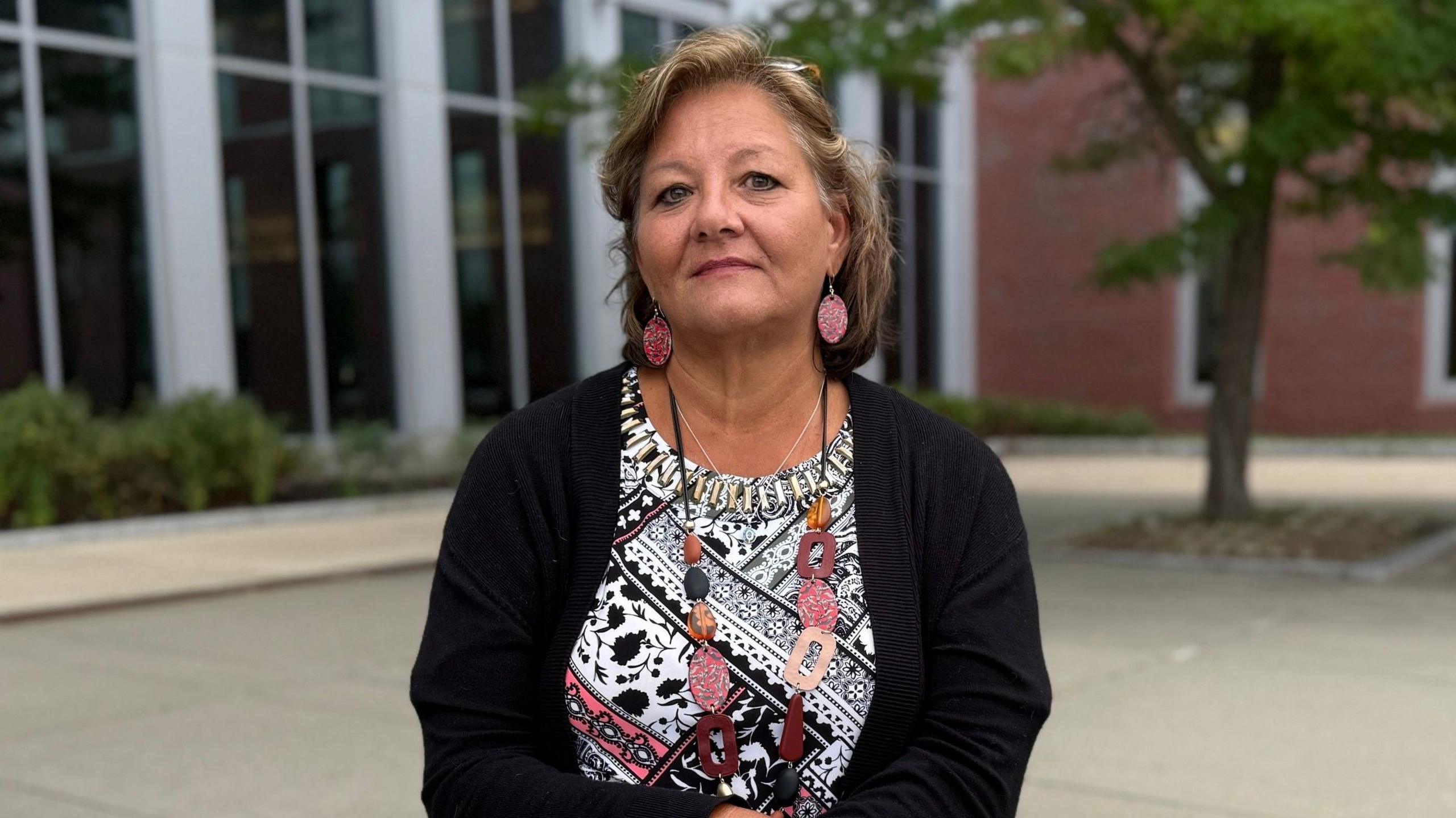
According to Forsyth County District Attorney Jim O’Neill, the teen also published a manifesto that linked the attackers’ actions to white‑supremacist ideology and explicitly targeted a Jewish temple and a predominantly African‑American high school. O’Neill told reporters, “The thought of her going back to school and the weekend approaching, holy days approaching, we didn’t know what she was capable of.” The indictment now carries three murder counts and one conspiracy accusation, with the North Carolina law holding those who aid and abet a crime equally responsible as the principals.
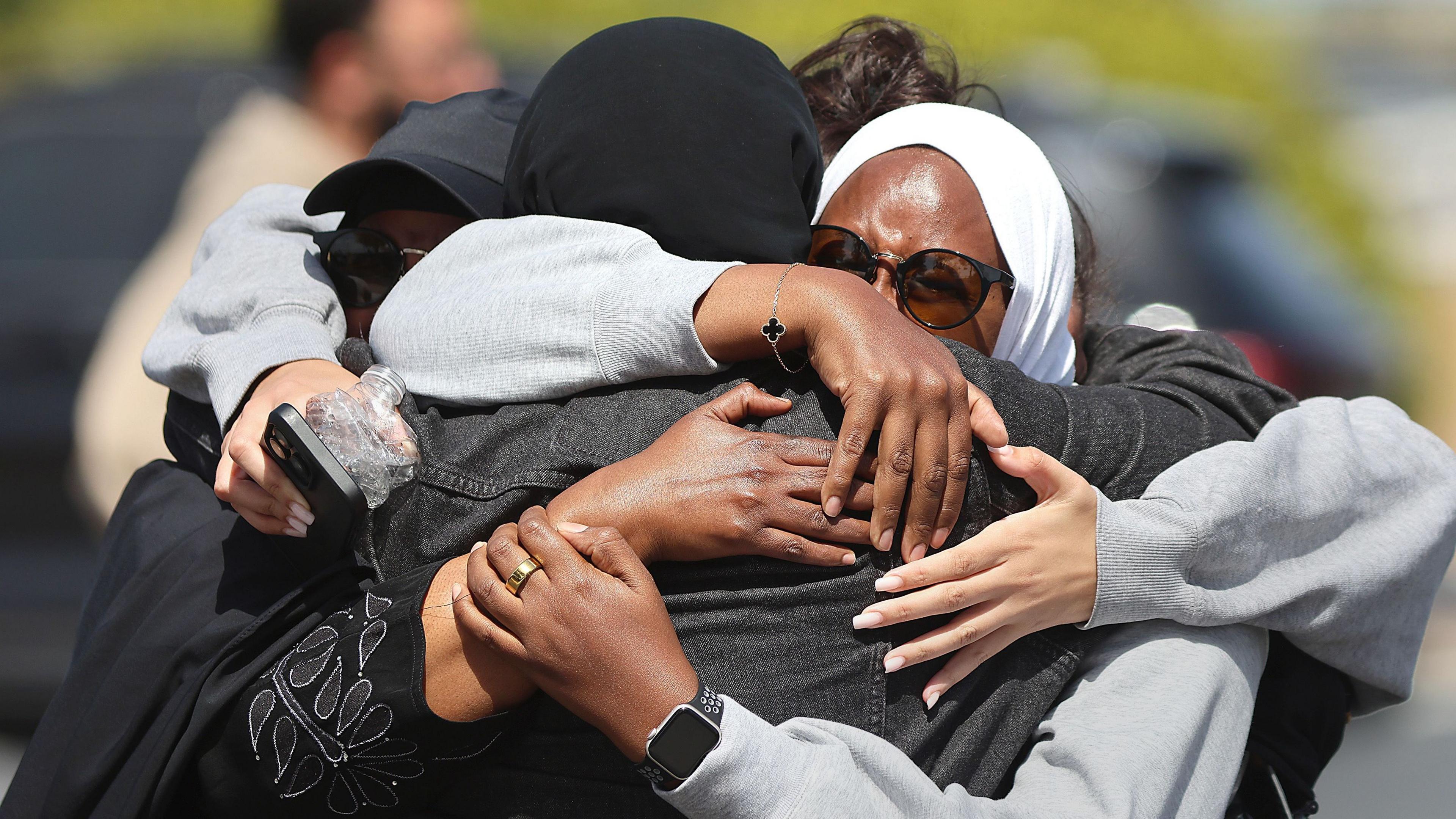
While the gunmen were reported to have possession of about 30 firearms, a crossbow, and weapons stolen from a parent, the most publicized aspect of the violent spree was the livestreamed footage. The key security guard, Amin Abdullah, intervened and exchanged gunfire with the assailants, staging a prompt lockdown that protected roughly 140 children inside the mosque, but left him mortally wounded. Police Chief Scott Wahl described Abdullah’s actions as “heroic” and stated they likely saved many lives.
The attack has reignited discussions on the lethal intersection of extremism, social media amplification, and hate‑based crime in the United States. Analysts emphasize the importance of swift legal intervention in the case of individuals facilitating or publicizing violent actions. The ongoing investigations also aim to ascertain whether the livestream operation was pre‑planned or opportunistic, and how law enforcement might address similar future threats. This case demonstrates the growing legal scrutiny faced by young people who champion extremist narratives through digital channels.