Mushroom Murderer Erin Patterson Appeals Life Sentence in Australia
On 18 August 2026, the Court of Appeal heard Erin Patterson’s bid to overturn her life sentence, which followed the 2023 murders of three family members and an attempted poisoning of a fourth with a death‑cap mushroom meal.
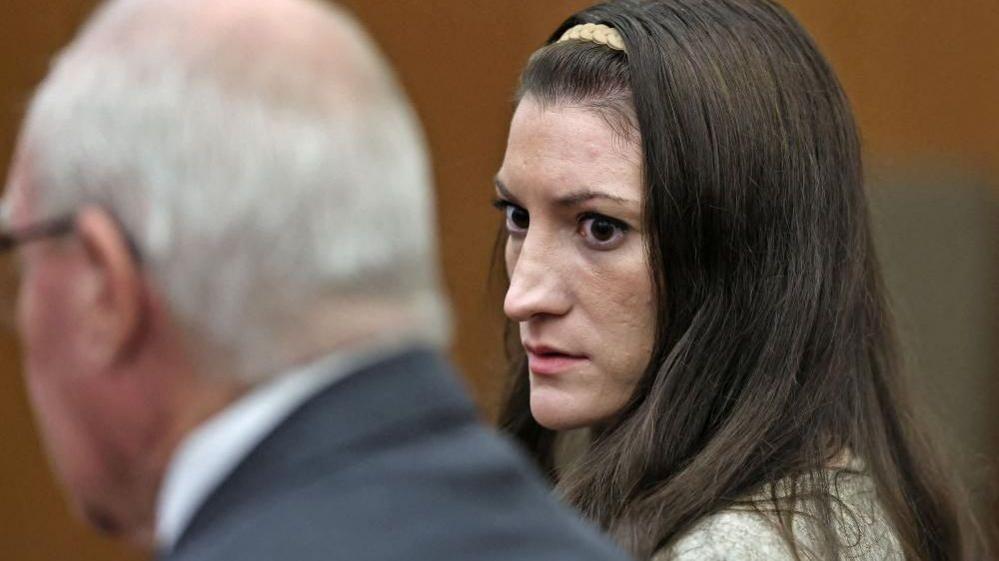
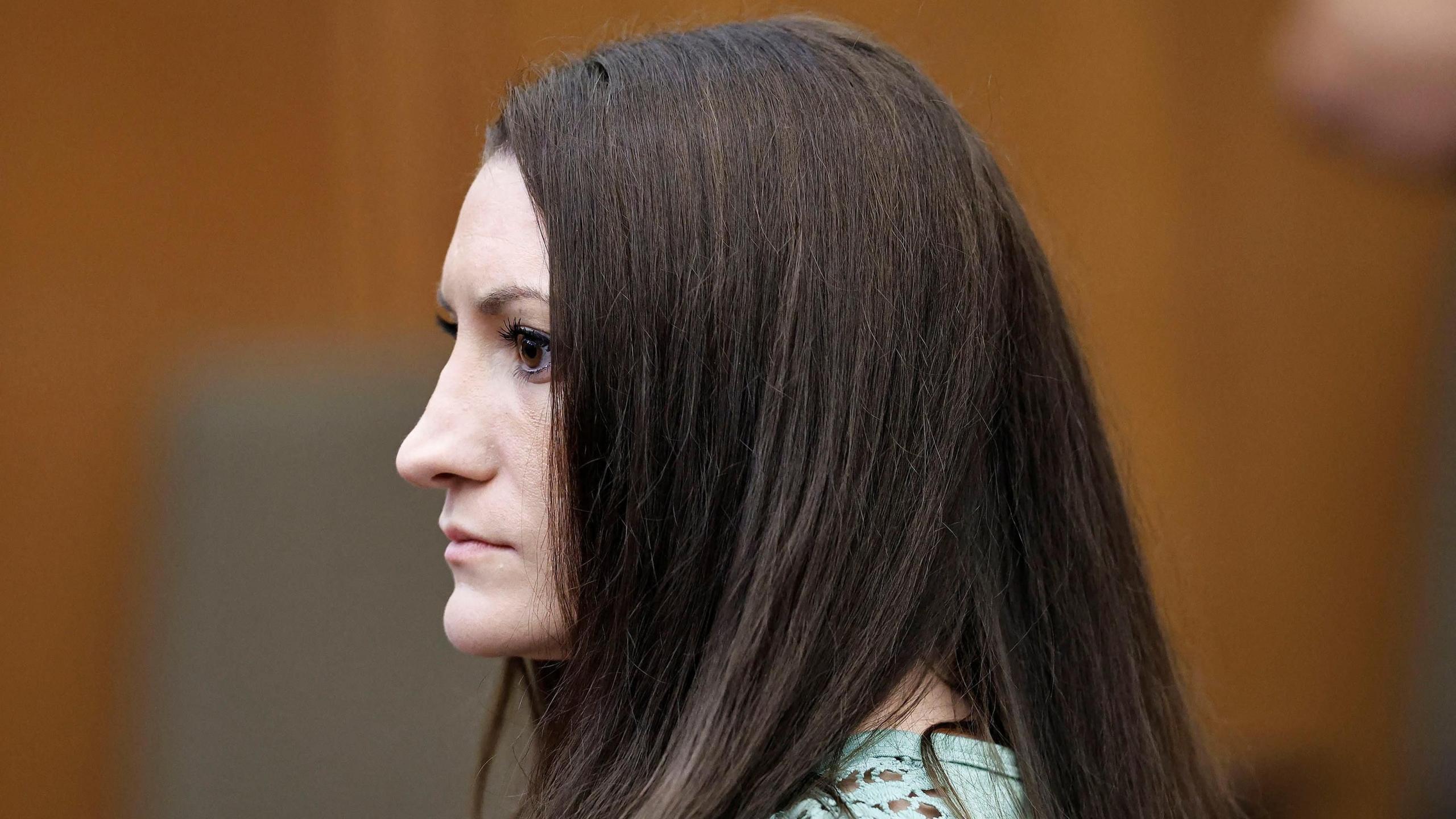
Who Is Erin Patterson?
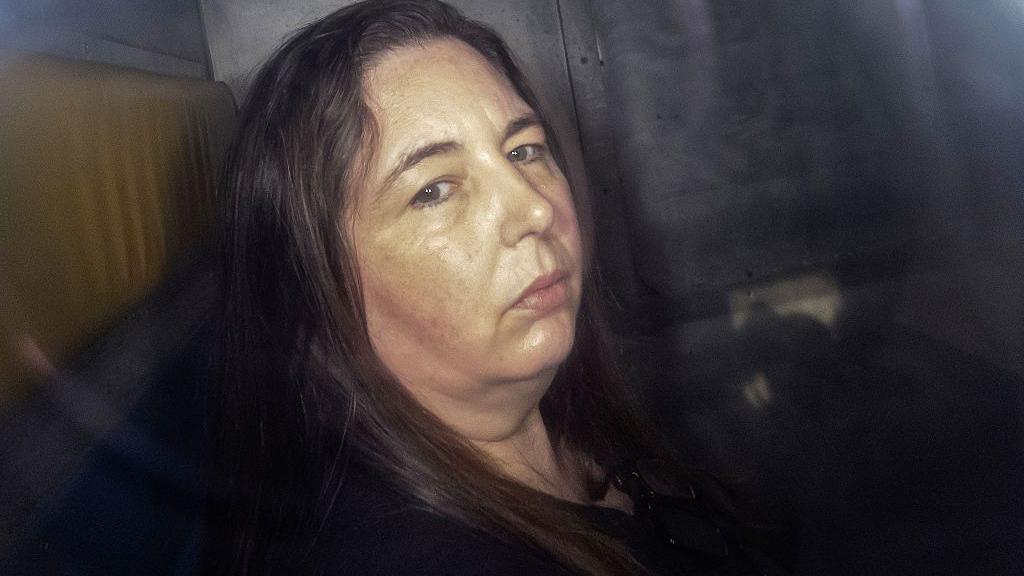
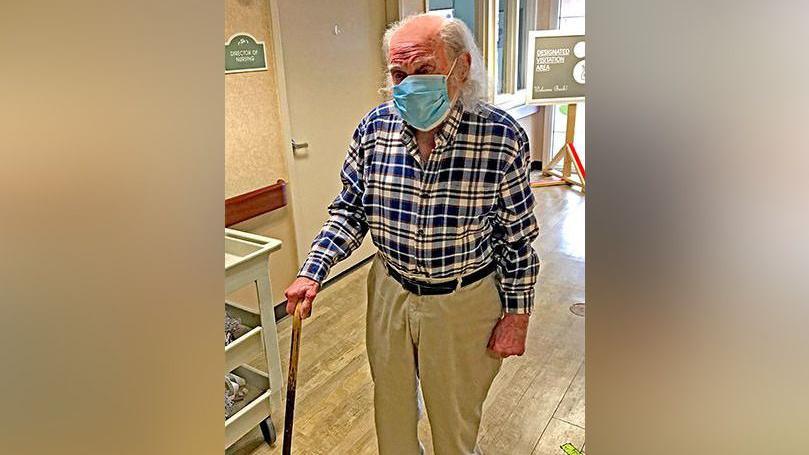
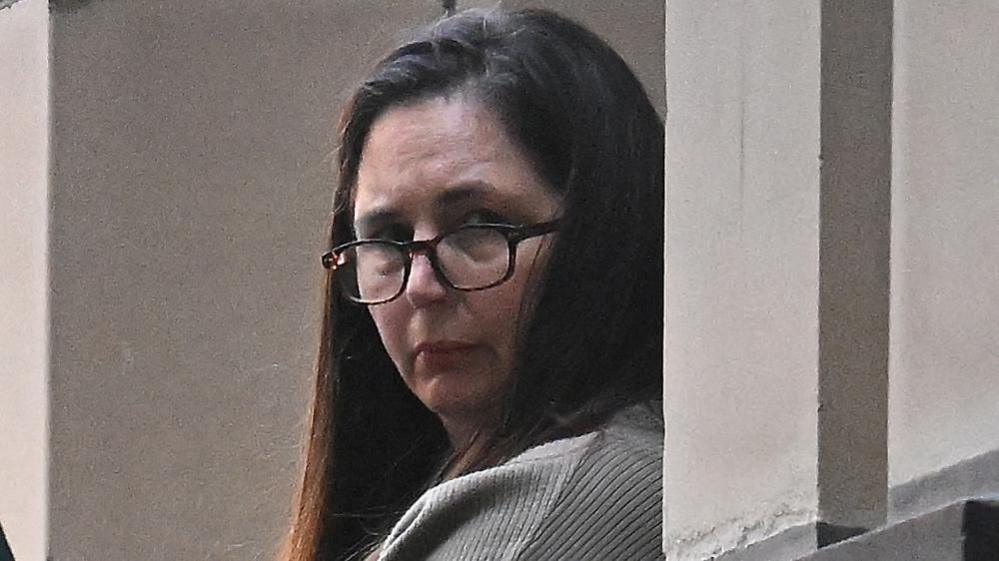
The 51‑year‑old woman was sentenced to life imprisonment in September 2024 after a high‑profile trial that captivated Australian and international audiences. She is accused of killing her in‑laws Don and Gail Patterson, both 70 years old, and Gail’s sister Heather Wilkinson, 66, by serving them parts of a beef Wellington that contained toxic death‑cap mushrooms.
Grounds for Appeal
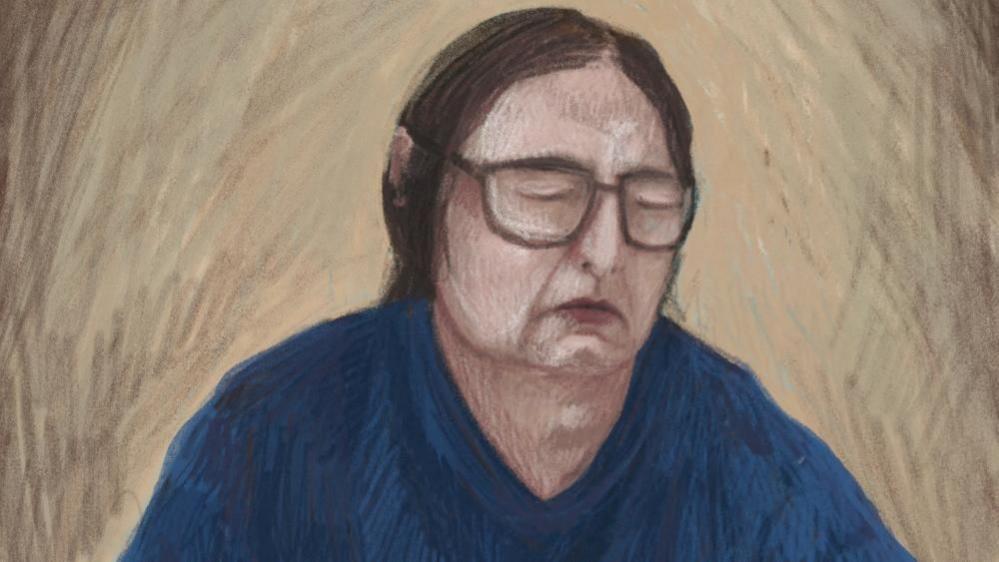
Patterson’s legal team—who will appear via video link from Dame Phyllis Frost Centre—submitted a three‑page appeal with seven key points:
- Evidence excluded from the jury, such as mobile‑phone data linking her to mushroom‑harbouring locations.
- Facebook messages that were deemed prejudicial, depicting her venting against relatives and for her estranged husband.
- Exclusion of photographs of her hobby as a mushroom forager, which could have mitigated the perceived intent.
- Inconsistencies in the prosecution’s stated motive throughout the trial.
- Claims of an aggressive cross‑examination that was “unfair and oppressive.”
- Most critically, allegations that the jury was housed in a hotel shared with prosecution witnesses, a police key witness, and journalists, raising concerns of contamination.
- Requests for a retrial if the conviction is overturned.
Jury Contamination Allegation
Patterson’s counsel argued that the media frenzy caused room shortages, forcing the jury to share a hotel floor with individuals linked to the case. Though the judge at the time declared no interaction had occurred, the defence now claims this “fundamental irregularity” fatally undermined the verdict’s integrity.
Prosecution’s Counter‑Plea
The Department of Public Prosecutions filed its own appeal, contesting the length of the parole period. Justice Christopher Beale had allowed an eventual parole after 33 years, citing the harsh prison conditions and Patterson’s solitary confinement during sentencing. The DPP argues that the parole window is “manifestly inadequate” for a “triple murder” offender.
Potential Outcomes
If the appeal succeeds, Patterson could face a new trial or be acquitted. If the prosecution’s appeal prevails, her parole could be extended or she might be sentenced to life without parole. The Court of Appeal’s decision is expected months after the hearings.
Legacy and Media Reception
The case remains front‑page news, highlighted by the media’s focus on the mushroom‑based crimes and the emotional testimony of surviving relatives. The story illustrates the complexities of ensuring fair trials amid sensational coverage and the ongoing debate over justice versus redemption for severe offenders.
Source: BBC News, 18 Aug 2026.