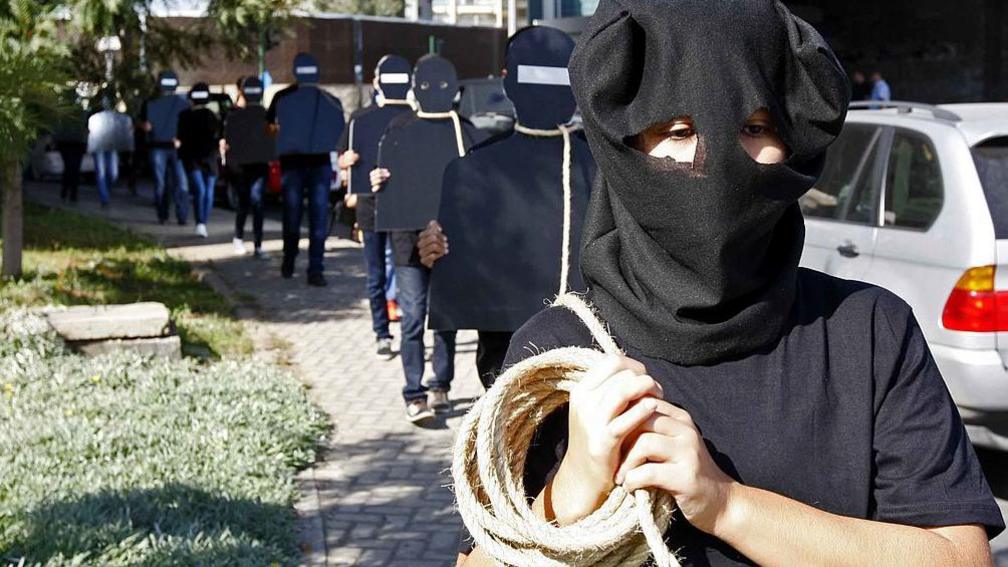
Lebanon’s parliament has passed a landmark vote to abolish the death penalty, positioning the nation as the first in the Middle East to formally end capital punishment.
The measure received a majority of votes from the 128‑seat parliament, although Hezbollah’s parliamentary bloc voted against it. The legislation will move to the cabinet and then be signed by President Joseph Aoun, with the government already expressing support.
Lebanon has not carried out an execution since January 2004, but courts continue to hand down death sentences, keeping more than 78 people on death row. Under the new law, capital punishment is replaced by life imprisonment with hard labour – a provision already in Lebanese law but rarely used due to resource constraints and overcrowded prisons.
The move follows years of campaigning by civil‑society groups and lawyers. “We cannot solve a crime with a crime or end violence with violence,” said Oragit Younan, co‑founder of the Lebanese Association for Civil Rights, who led a thirty‑year campaign to abolish the death penalty.
The decision is part of a wider regional debate: Jordan resumed executions in June; Israel has expanded circumstances for the death penalty; and Iran has seen a rise in executions, sparking UN warnings about the suppression of dissent.