New Evidence Sparks Postponement
The case of Abu Agila Mohammad Kheir Al-Marimi has been in litigation for nearly four decades. After the discovery of previously unknown evidence last week, the U.S. jury selection that was scheduled for June has been moved to January next year.
The judge, Dabney Friedrich, said the material could affect the outcome and therefore a later start is necessary. This is the third time the trial has been delayed; earlier postponements were due to health concerns and preparation time requested by both defence and prosecution.
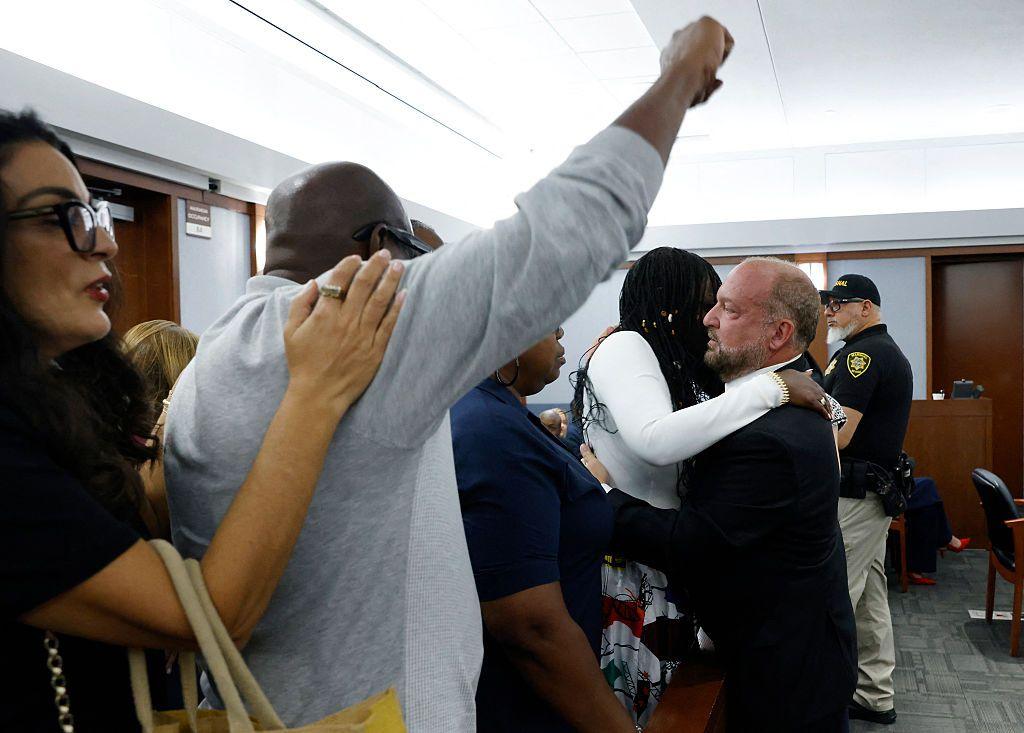
The families of the 270 victims, many of whom were American or British, have voiced disappointment. They argue that delays prolong the grief and the pursuit of justice.
The U.S. trial is part of a joint Scottish‑American investigation that began in 1988. The prosecution traces the bombing back to Libyan state‑sponsored terrorism, while the defence has contested forensic and ballistic evidence.
Al-Marimi, who was arrested in December 2022 and held in custody since, has maintained that his alleged confession to the bombing was extracted under duress. The judge permitted the confession to be used, citing its reliability as determined in earlier proceedings.
The new start date comes at a time when the court is reviewing procedural matters, including witness access and evidentiary submissions. The case is expected to resolve in the spring of next year, if the trial proceeds as scheduled.
The Lockerbie attack remains the worst terrorist bombing in UK history. It has prompted a complex legal saga that now, with new evidence, continues to test the limits of international justice.