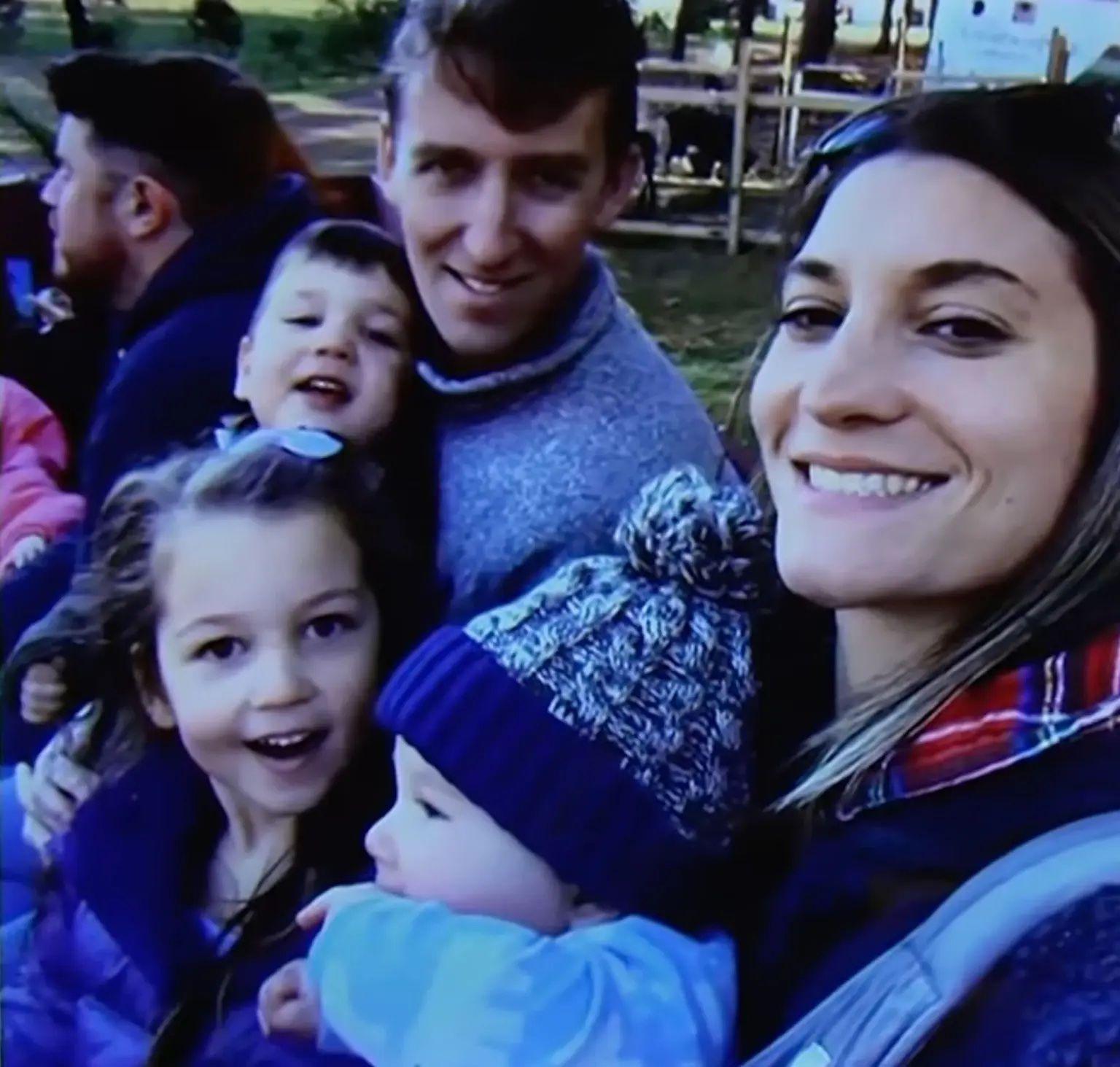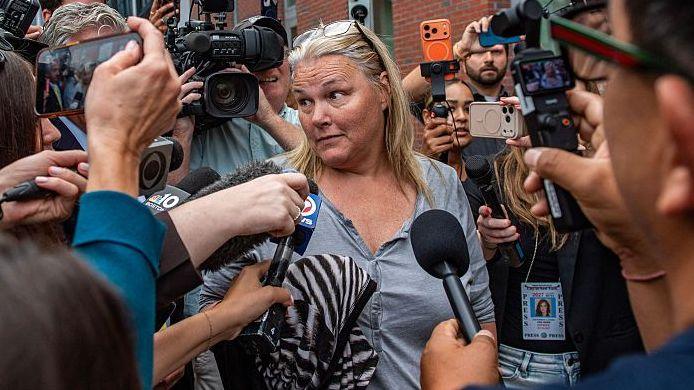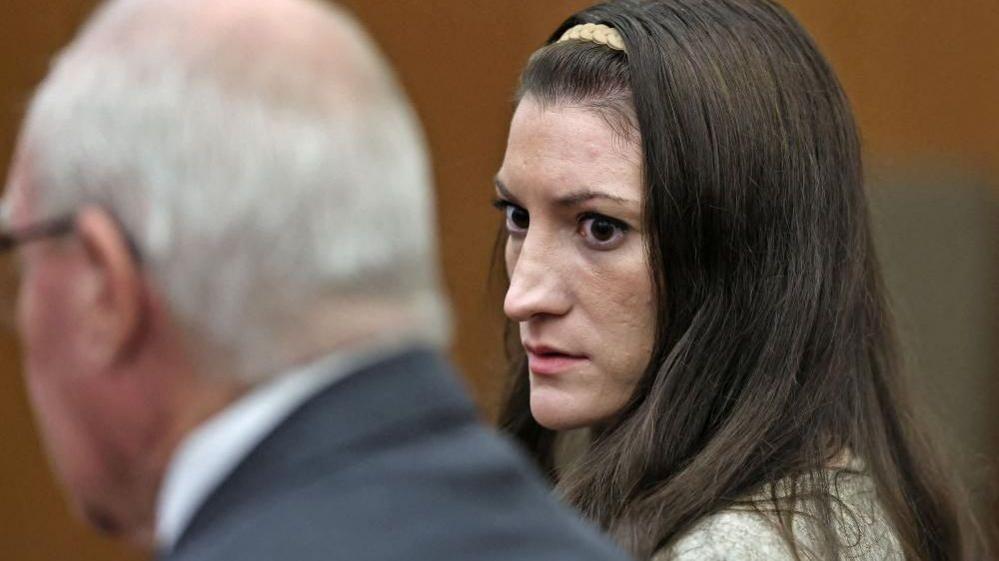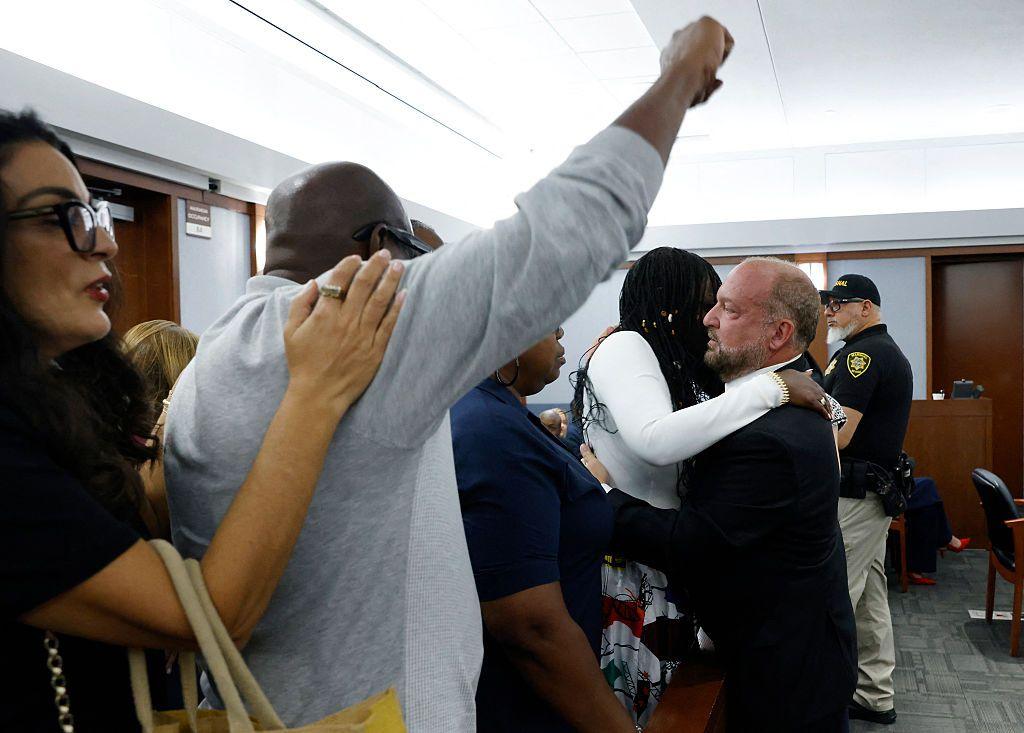
The case that has captured national attention has entered a new uncertain chapter when a judge in Plymouth, Massachusetts, declared a mistrial after a jury could not reach an unanimous verdict in the murder trial of 36‑year‑old nurse Lindsay Clancy.
Clancy stands before the court for strangling her three children – a five‑year‑old daughter, a three‑year‑old son and an eight‑month‑old baby – then leaping to her paralysis from a second‑floor window. The prosecution argued the killings were intentional and calculated while the defence claimed postpartum psychosis absolved her of criminal liability.
Over a week of testimony, more than ten expert witnesses illuminated Clancy’s mental state, yet opinions diverged sharply. Some highlighted her repeated hospital visits, calls to suicide hotlines and clear signs of hallucination; others disputed her diagnosis citing records indicating a lack of active psychosis.
While the trial progressed, outside the courthouse stands appeared in pink, holding signs that called her a “first‑degree murderer.” Supporters, including parents who have battled postpartum depression, gathered to show solidarity and call for a mental‑health treatment program instead of incarceration.
On the other side, people in branded tees with slogans such as “kidslaughter” formed a counter‑protest, demanding that Clancy face the full weight of the law for the lives she took.
The judge’s decision came after roughly 40 hours of deliberation by seven jurors, who could not agree on a single verdict, resulting in the first mistrial. A new hearing will determine whether prosecutors will pursue a second trial or negotiate a plea deal.
For the nation, the unresolved verdict means that debates on gender roles, mental‑health treatment, and the boundaries between sympathy and accountability will continue to resonate across social media, dinner tables and courtrooms alike.