Coordinated Arson Attacks Rock Southern Thailand Amid Ongoing Insurgency
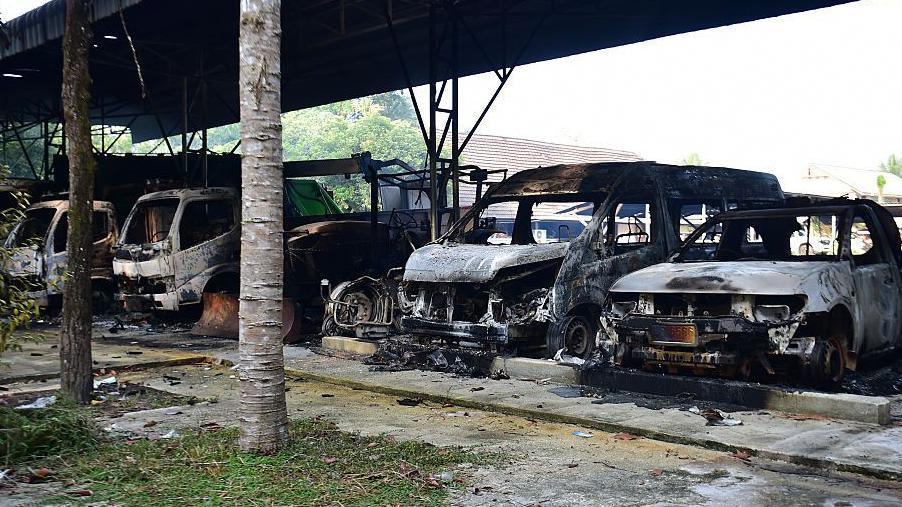
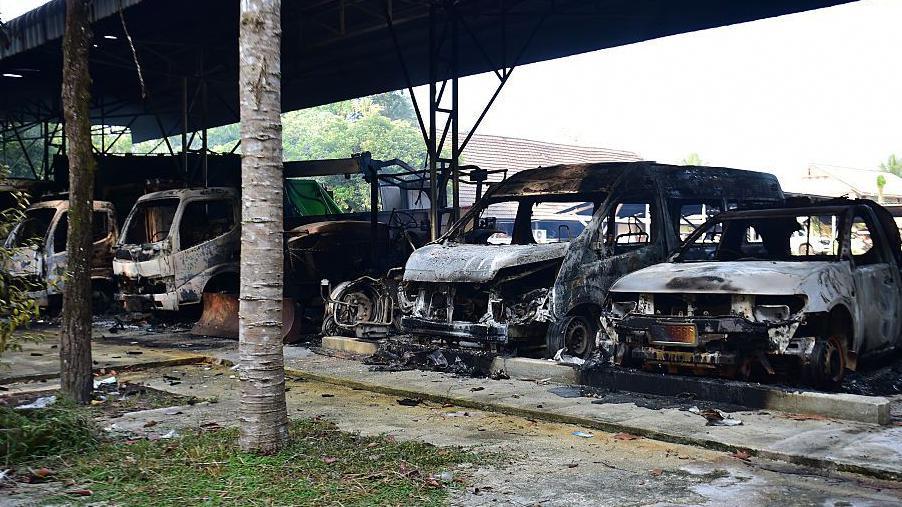
More than 50 coordinated arson and incendiary attacks aimed at creating unrest have been carried out across Thailand's insurgency‑hit south, the Thai military said.
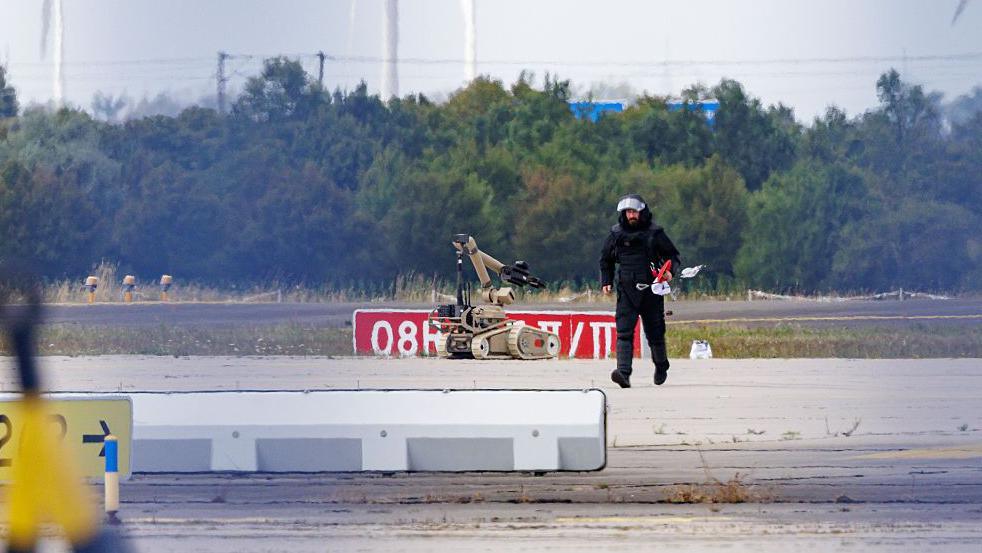
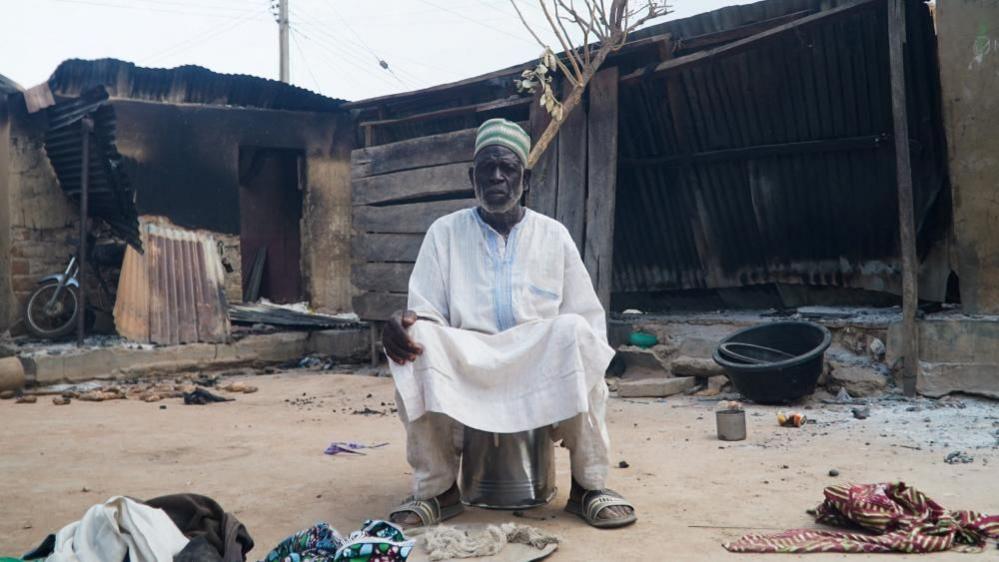
At least two people were injured when a convenience store, a local government office and a stolen vehicle were set ablaze. A bomb exploded in Muang district, injuring two women, according to the Bangkok Post.
The incidents occurred throughout the southern border provinces between 8 p.m. local time (13 p.m. GMT) and midnight on Saturday, the Internal Security Operations Command said. Most were reported in Narathiwat, with additional attacks in neighbouring Yala and Pattani.
Telecommunication towers were set on fire in several locations, and security officials warned residents not to touch suspicious objects. An overnight curfew was imposed in Narathiwat and lifted on Sunday morning; no further attacks were reported on Sunday.
No group has claimed responsibility for the arson attacks. Since 2004, a low‑level conflict has simmered in the southernmost provinces where Muslim‑majority regions fight for greater autonomy; more than 7,000 people have been killed in the violence so far, mainly by the Barisan Revolusi Nasional.
Since talks facilitated by Malaysia began in 2013, the peace process has repeatedly stalled amid changing governments in Bangkok and internal divisions on both sides. In July, five soldiers were killed in a gun and bomb attack at a checkpoint in Narathiwat, prompting authorities to postpone a planned dialogue process.
Thai media report insurgents often target security officials and government buildings, sometimes ahead of visits by officials to the region. Prime Minister Anutin Charnvirakul and cabinet members are scheduled to visit Hat Yai in Songkhla next week to discuss investment projects, flooding prevention and security issues.
Source: BBC News (23 August 2026)