Spain’s Prime Minister Calls Snap Election After Housing Protest Chaos

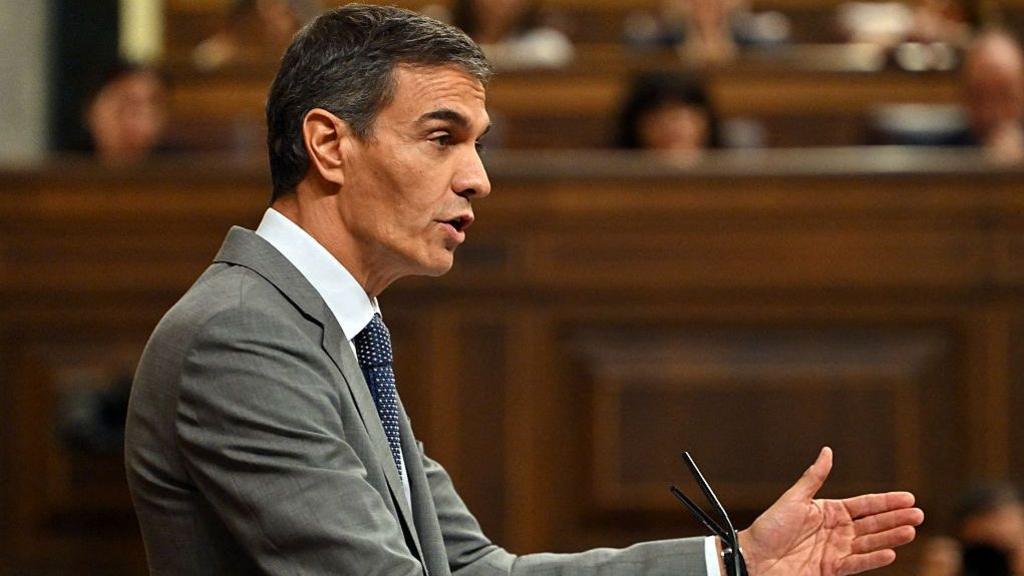
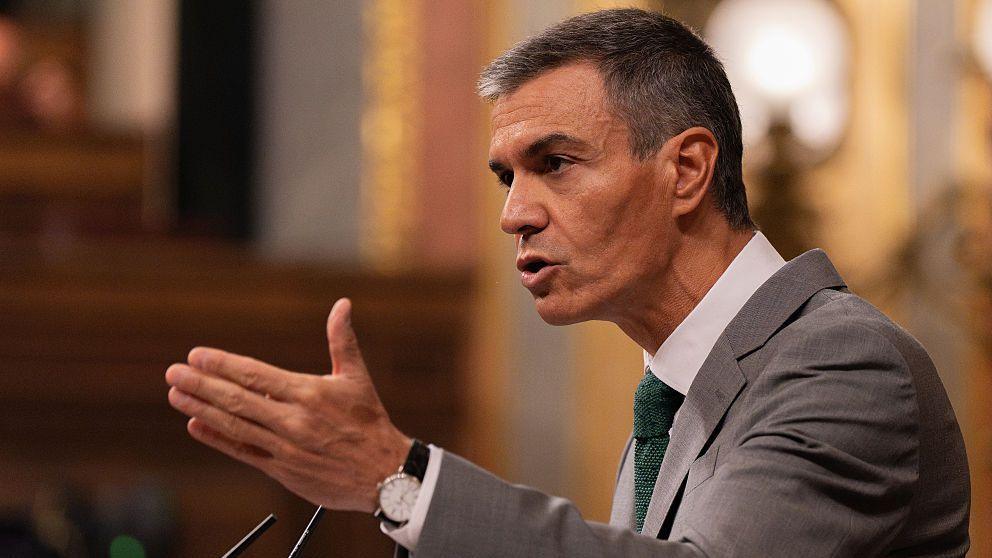
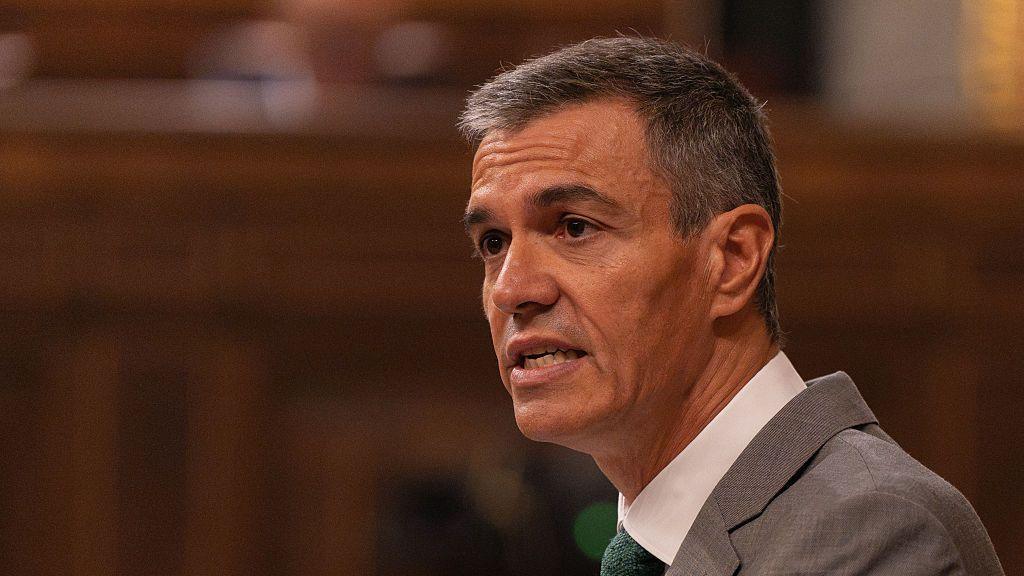
Spanish Prime Minister Pedro Sánchez announced on Monday that the country will go to the polls on 29 November, months ahead of the next scheduled general election. The decision follows the defeat of two decree laws aimed at cushioning tenants from steep rent hikes, as well as the eviction of an 87‑year‑old woman that sparked nationwide protests.
The setback came after an attempt by the minority coalition – made up of the Socialist Party and the Sumar leftist alliance – to introduce measures that would suspend evictions for vulnerable households until 2030 and curb the surge in rent prices. Parliament rejected both decrees, highlighting the government’s fragile hold on the chambers.
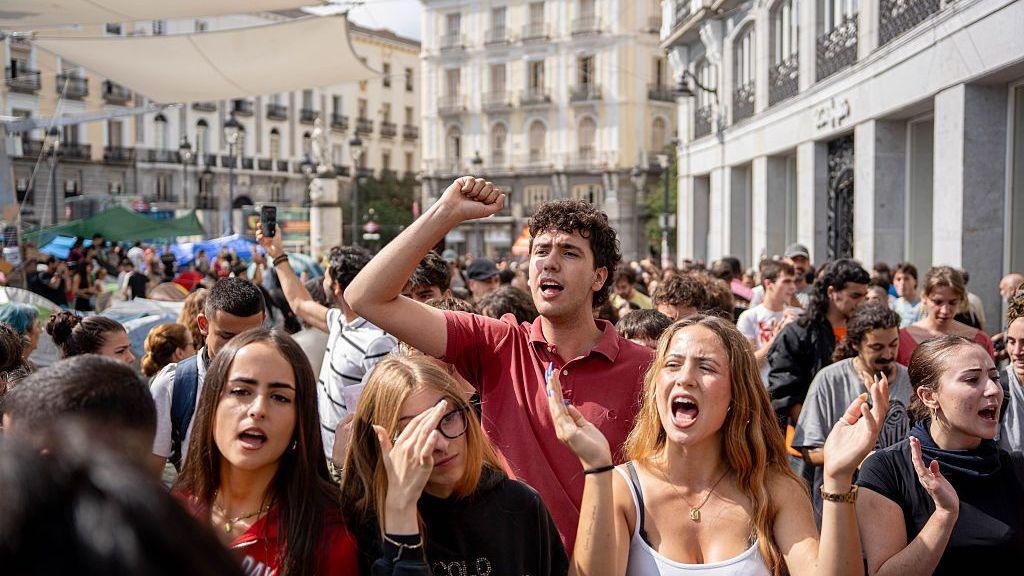
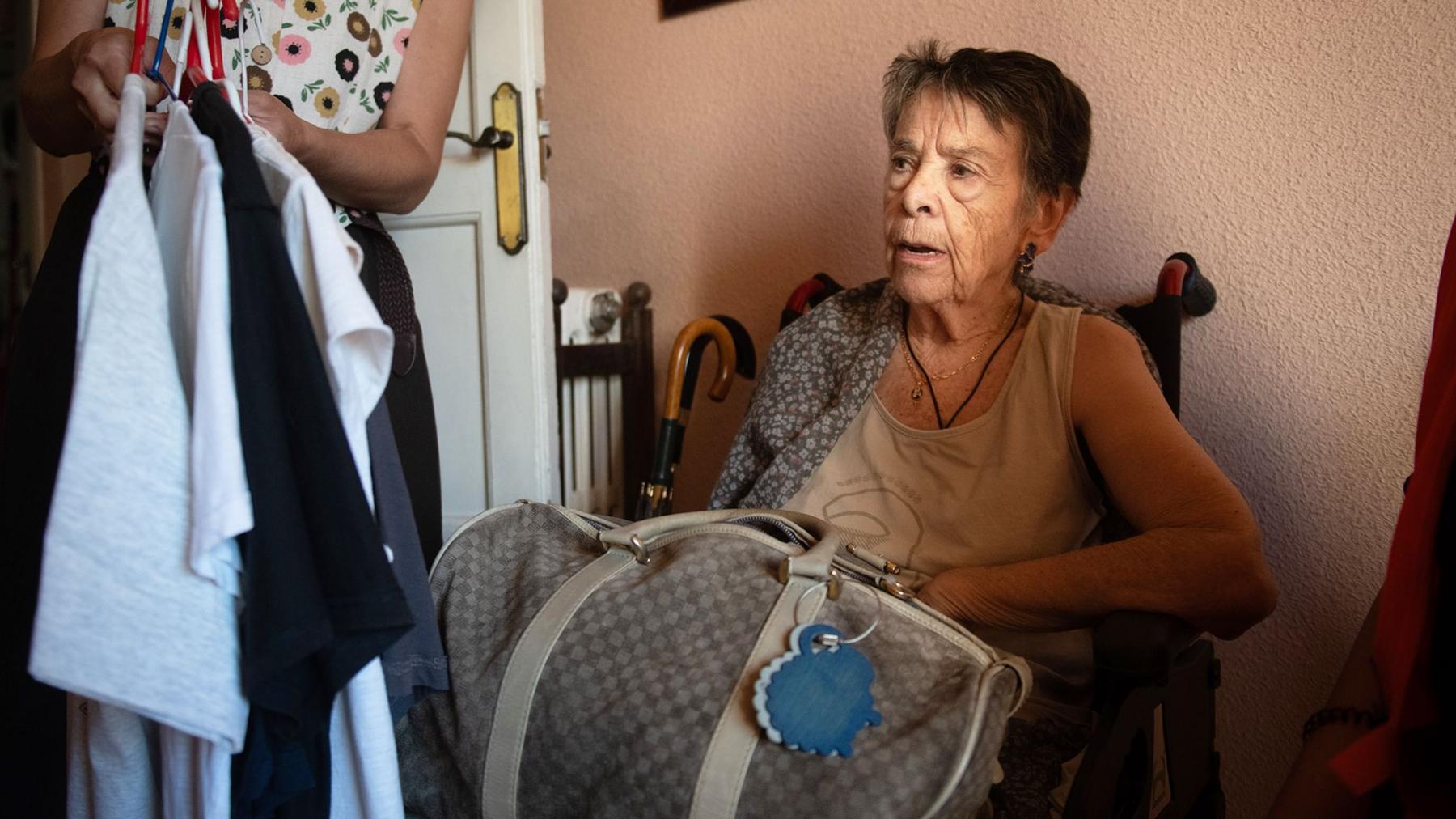
The unrest was ignited by the forced removal of Maricarmen Abascal, a Madrid resident who was evicted after her landlord raised her monthly rent from €500 to €2,650 under a legal loophole. The decree was later reduced to €1,650 – still €300 above her pension – after a national outcry. Abascal was taken to hospital on a stretcher and is expected to regain her home following a legal challenge.
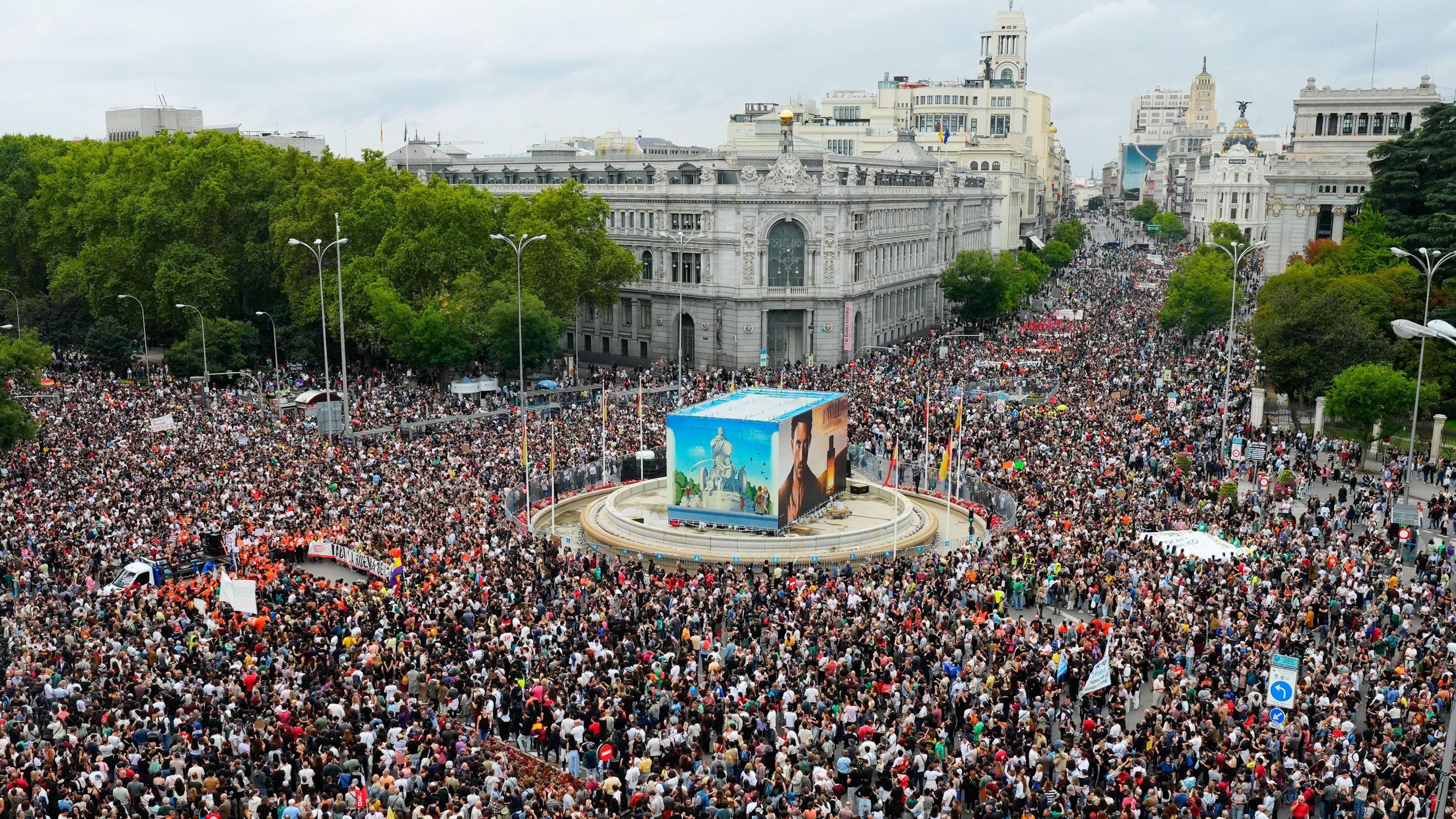
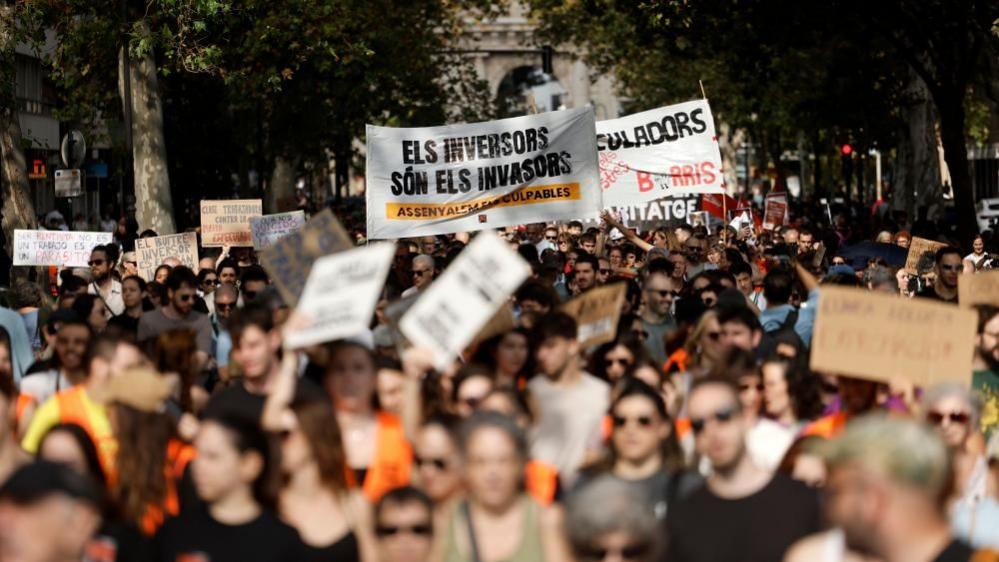
In the weeks following the eviction, tens of thousands staged marches in Madrid, Valencia and Barcelona, calling for stronger tenant protections and a halt to the rise in property prices. The national mood reflects deepening frustration over housing affordability, a key issue in an economy still grappling with post‑pandemic inflation.
Sánchez framed the vote as a “battle for a broader progressive majority” that could overcome elite resistance. He acknowledged that his administration had failed on inequality, public services and housing access, framing the snap election as a fresh mandate from the people.
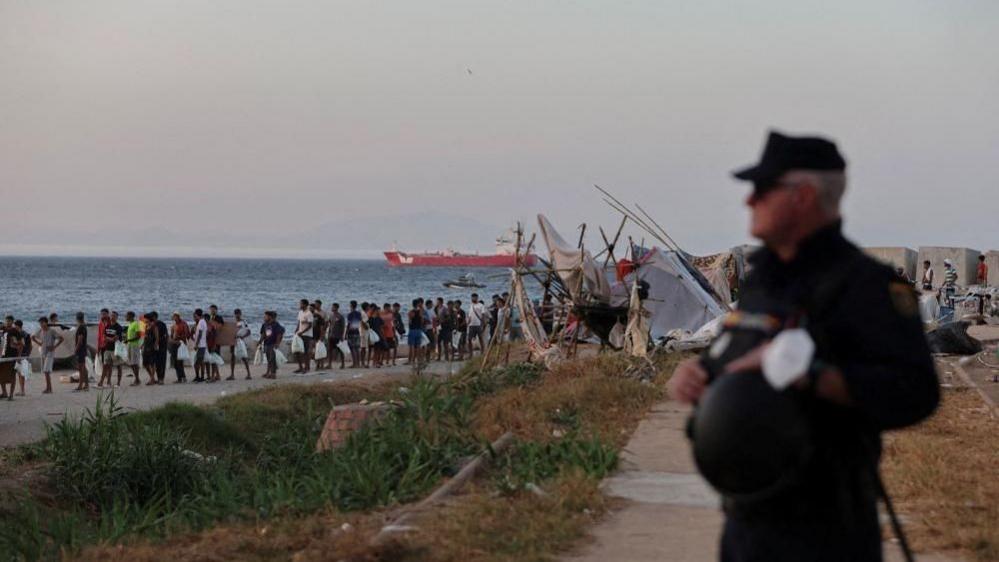
The strategy comes amid a series of scandals that have tainted Sánchez’s tenure. In April, his wife Begoña Gómez was charged with corruption; in May the party headquarters was raided over alleged misinformation; and in June former transport minister José Luis Ábalos was sentenced to 24 years for kickback fraud. The government has also faced criticism over its handling of the Ceuta migration crisis.
The opposition, led by People’s Party chief Alberto Núñez Feijóo, seized the moment to claim that the elections were “not just another vote” but a chance to decide between “decline or change.” Feijóo promised that Spaniards would finally determine the direction of the country.
Political analysts note that while the People’s Party is expected to capture the most seats in the next election, it will need the support of the hard‑right Vox party to form a stable government. With the snubbed housing reforms highlighted as a key electoral issue, voters are likely to weigh immediate needs against broader policy visions.
The announcement sent shockwaves through the Spanish political scene, forcing all parties to sharpen their electoral messages and policy proposals ahead of the November vote.