In brief
Prime Minister Sebastien Lecornu was met with boos in Le Porge after 183 homes burned amid the worst season of wildfires hitting France. While pushing €12 m in aid for Gironde and Landes, residents demanded clearer accountability and better coordination. Across Europe, soldiers, pilots and volunteers battle large blaze in Belgium, Greece, Spain and Croatia, while the EU ramps up firefighting support, underscoring a record‑hot climate that fuels unprecedented fire outbreaks.
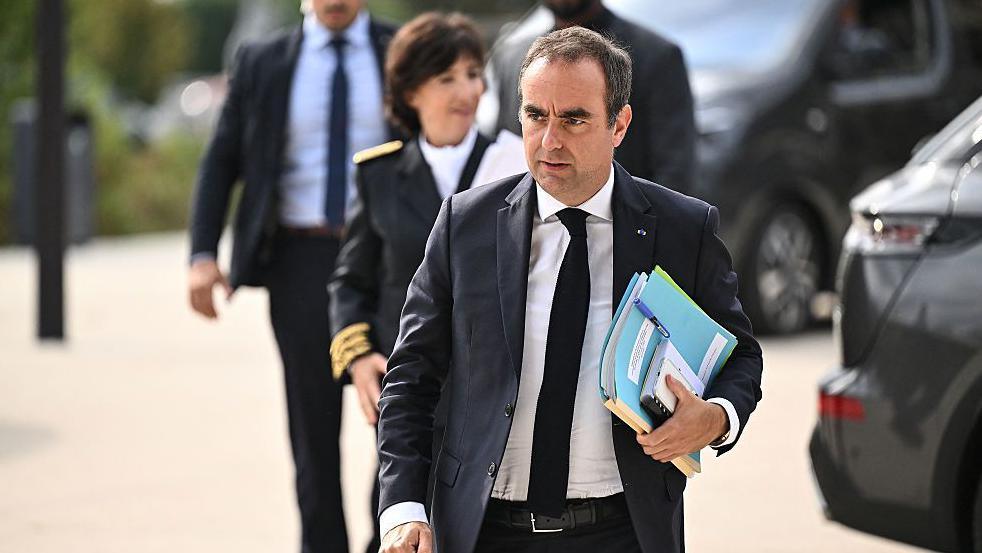
French Prime Minister Sebastien Lecornu was publicly heckled in the town of Le Porge after 183 homes were destroyed by wildfire. The protest gathered about 200 residents who chided the government for perceived delays in meeting with locals and called for greater transparency. Lecornu countered that his office had “nothing to hide” and announced €12 million in aid for the Gironde and Landes departments, with €10 million earmarked for Gironde and €2 million for Landes.
The prime minister pledged that building permits for reconstruction would be issued within a month, or even sooner, and urged authorities to launch recovery projects without further delay. Organiser Ludivine Daurignac held up a line of riot police blocking residents’ access and said the group would file complaints demanding truth, transparency and justice.
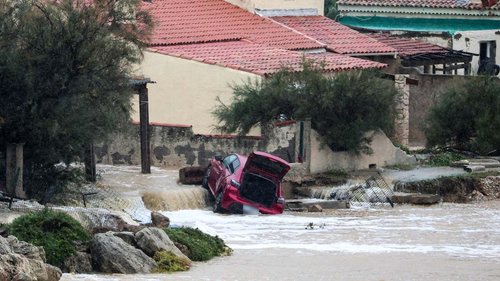
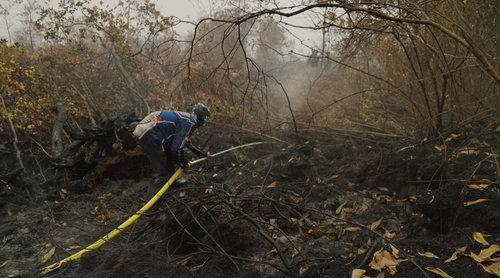
Wildfires in the Gironde region have forced the evacuation of tens of thousands from the Cap Ferret peninsula. Across Europe, the situation is escalating: in Belgium, a fire in Hautes Fagnes has spread to more than 12 000 hectares in 24 hours, prompting two police helicopters and support from the Netherlands, Germany, Norway and Sweden. Greece reports 41 forest fires in a day, three still burning, with aerial water‑dropping operations underway on Salamina Island. Spain’s Aragón region has lost a soldier in the Peñas de Riglos blaze and recorded over 16 000 hectares of burned land, with 104 French firefighters and 36 vehicles deployed to assist.
Croatian authorities arrested four individuals suspected of starting ten separate fires in Zadar, while a recent blaze along the coast resulted in at least one death and dozens injured, described as one of the worst in the country’s history. The EU’s Copernicus climate monitoring service confirmed a record‑hot June‑to‑July period across western Europe, underscoring the underlying climate threat that is fuelling these widespread fires.