In brief
Spanish and Algerian police closed one of the Western Mediterranean’s biggest smuggling networks, arresting 78 suspects and taking 18 ghost speedboats, MDMA, cash, and weapons. The group trafficked synthetic drugs from Spain and Portugal to Algeria, then used return trips to smuggle weapons, high‑speed migrants and other contraband into Spain, including Ibiza. Europol said the network also worked with other criminal groups across France, Belgium, Portugal, Italy and Poland, facilitating fast maritime transfers and exploiting a densified shipping infrastructure. The sting involved 17 locations and cut off a multi‑million‑dollar operation, highlighting the threat migrants face in overcrowded, unregulated boats. The crackdown comes amid a recent rise in illegal crossings into Spanish enclaves, underscoring the urgency of coastal security.
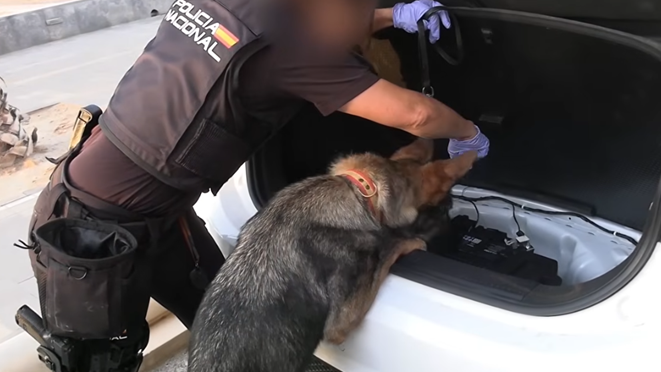
Spanish police, with support from Algeria and Europol, seized a fleet of 18 illicit high‑speed boats, 15,000 MDMA pills, guns, €25,000 in cash and other contraband, while arresting 78 suspects across 17 locations in Spain.
The operations targeted a trans‑Mediterranean network that moved synthetic drugs from Spain and Portugal to Algeria, then rerouted return trips to smuggle migrants, firearms and explosives into Spanish cities and Ibiza aboard so‑called "ghost speedboats"—high‑powered vessels that avoid registration and detection.
The group reportedly charged up to €12,000 (about £10,200) per migrant, with one voyage potentially carrying more than 50 people in overcrowded, unlit vessels without life jackets. Europol’s statement warns that suspects also engaged in sexual assaults, physical abuse and inhumane housing conditions for migrants.
The raid also uncovered satellite phones, GPS devices, encrypted communication tools and a satellite dish, illustrating the network’s sophisticated logistical apparatus and links to other organised crime groups in France, Belgium, Portugal, Italy and Poland.
The crackdown comes just a week after around 78,000 migrants attempted to cross into the Spanish North African territory of Ceuta in response to online rumours of an open border. Most returned to Morocco, but 3,000 to 5,000 migrants remain in Ceuta.
For further details on the broader smuggling context, read the Bundes Minister publication “The Route to Gold: Organised Crime. 2024” or follow Europol for international updates.