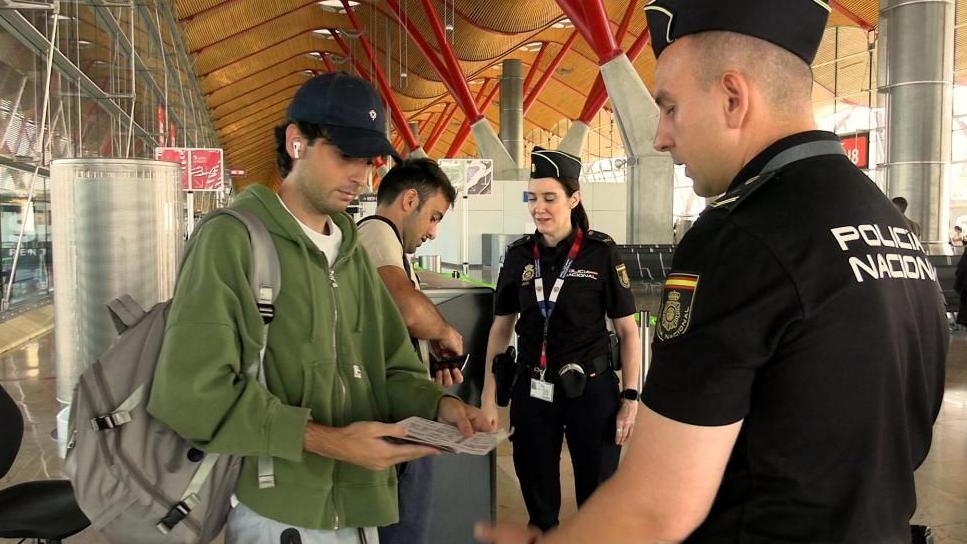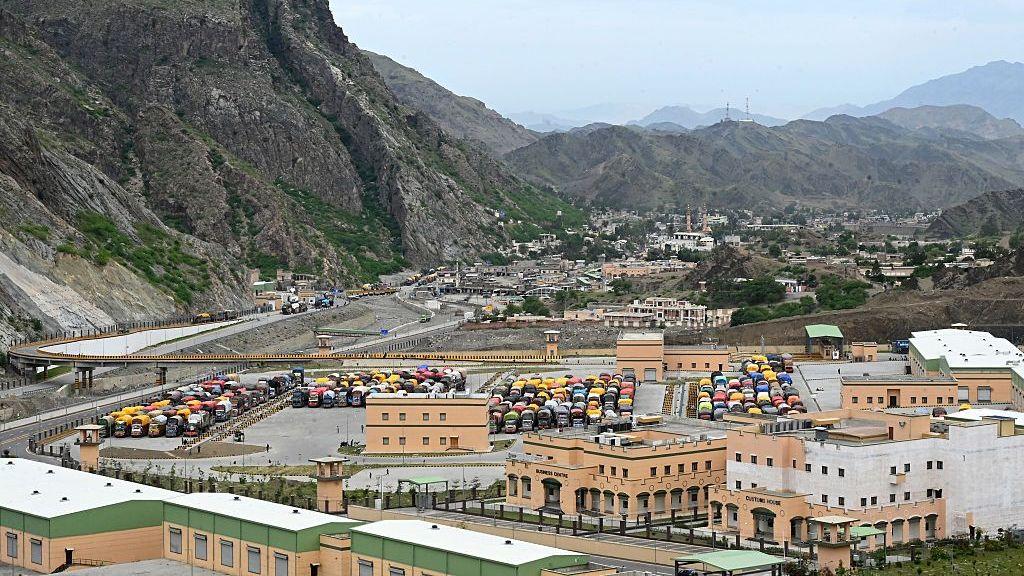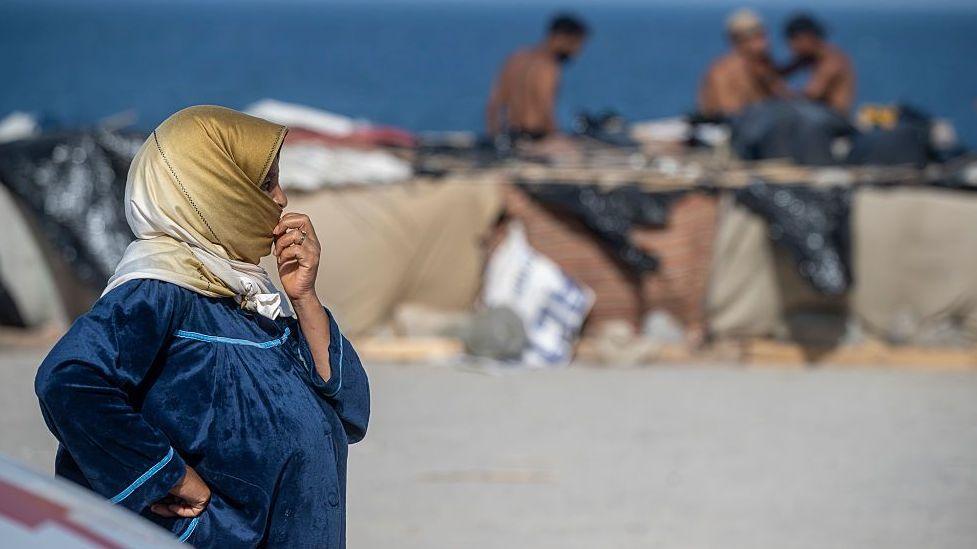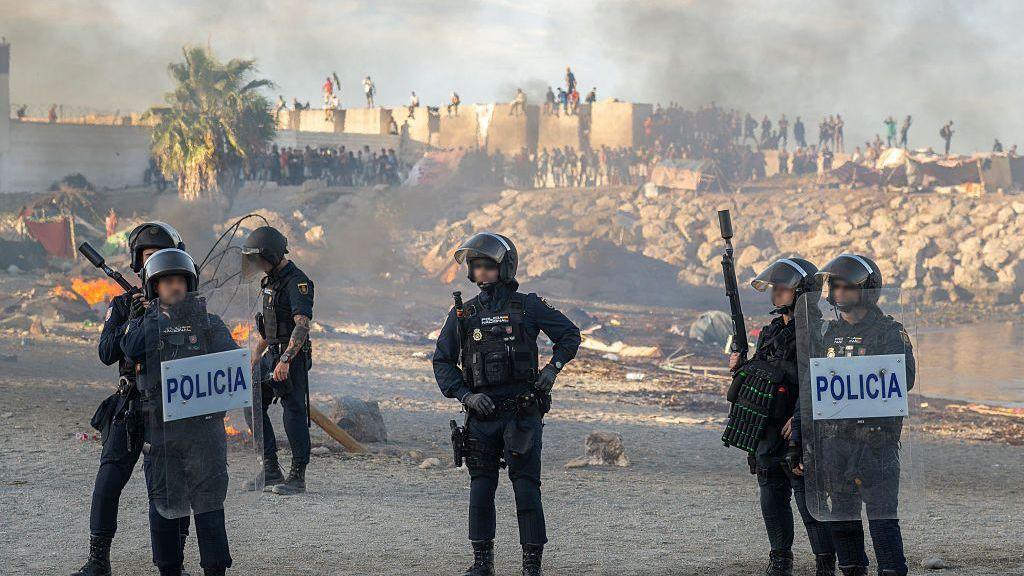
Spain has imposed mandatory checks on all air and sea travel from Italy, a move that will remain in effect for twenty-four days. The decision follows a week after Italy introduced similar restrictions after a surge of about seventy‑eight thousand migrants from Morocco crossed into the Spanish exclave of Ceuta.
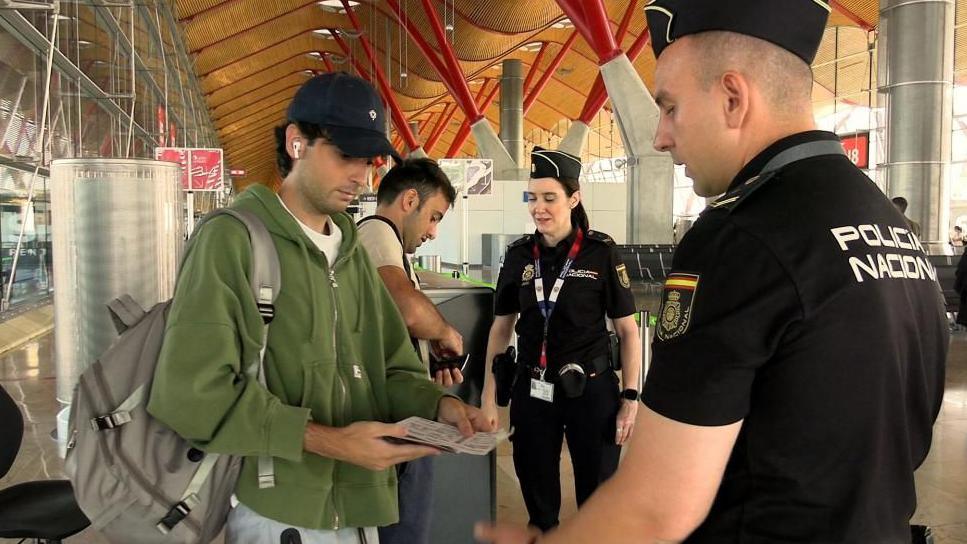
According to Spanish authorities, between five and ten percent of passengers will have their passports examined before they are allowed to disembark. Italian officials say the checks are random and only apply to non‑EU residents, arguing they are designed to prevent any migrants who entered Ceuta from traveling further into Italy.
The dispute has drawn a sharp line between Spain\'s socialist leader Pedro Sanchez and Italy\'s conservative President Giorgia Meloni, who has long advocated stricter EU migration rules. Madrid has rejected Rome\'s rationale, describing it as baseless and highlighting that the migrants who entered Ceuta had no route into the Schengen area.
Italian authorities state the border controls will remain in place until at least the fifteenth of August, when Madrid expects another wave of crossings into Ceuta, prompting Rome to insist that the checks will only affect non‑EU travelers. The policy has already led to long queues in several Italian airports, with passengers arriving from Spain directed to a special line for checks.
Madrid has noted that the checks will stay in place until the seventh of September unless new circumstances arise, while Italian officials have confirmed that Spanish and EU citizens are exempt from additional checks when arriving in Italy.
European Union members have temporarily suspended the Schengen agreement in this context. Finland and Denmark, for example, back Italy\'s move, while the Czech Republic has called for Spain\'s temporary suspension of membership. The criminal network involving the spread of disinformation about the crisis has been identified by the EU Migration Commissioner Magnus Brunner as a contributing factor.
Out of the tens of thousands who crossed Ceuta, most were returned within days. A number of swimmers are believed to have died over the crossing, and nearly fourteen hundred minors, some extremely young, remain in Ceuta. While Spain has not announced a second wave, social media posts warning of a future crossing have been removed by Meta for policy violations.
The Spanish Supreme Court has ruled that migrants trapped at sea attempting to reach Ceuta or Melilla cannot be excluded from the continent and must be returned to Morocco. Morocco has blamed the ruling for the crisis, arguing that the deterrent force collapsed under judicial decisions. The lengthy swimming crossings raise questions about why Moroccan border guards did not attempt to stop them.