The Surge and the Crime Surge
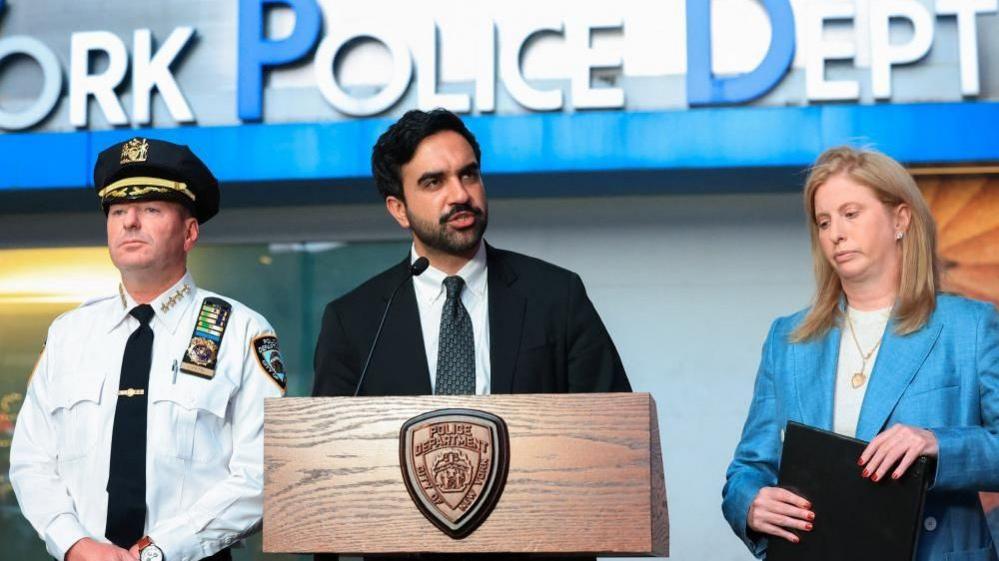
Spanish prosecutors say that 23 sexual assaults, including nine against children, have registered in Ceuta since the mass influx that crossed the border on 30 and 31 July. That averages almost one case per day, chief prosecutor Silvia Rojas told the Spanish press. She said migrant girls – many arriving on an irregular basis – are especially vulnerable.
Migrants Still Lingering
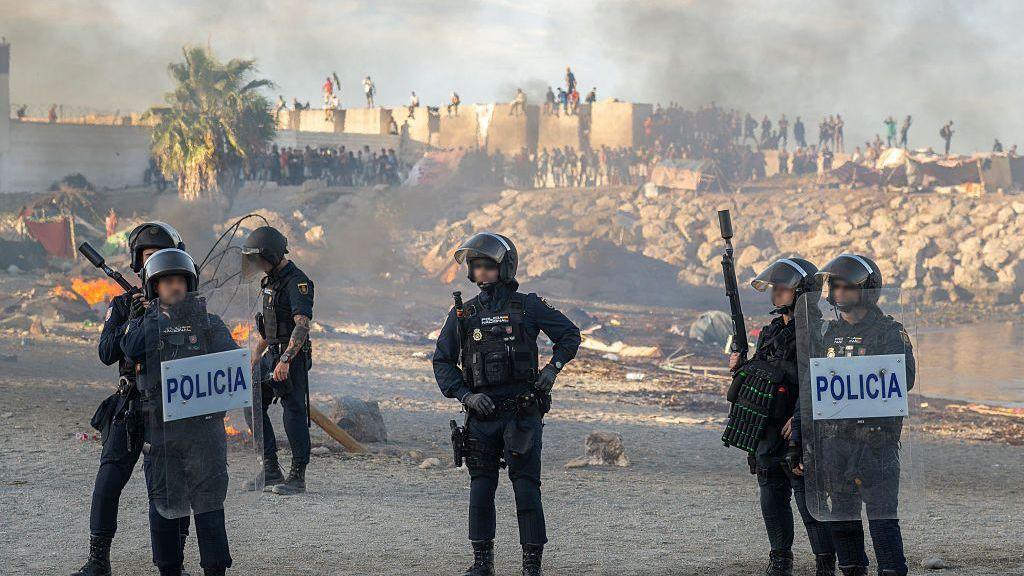
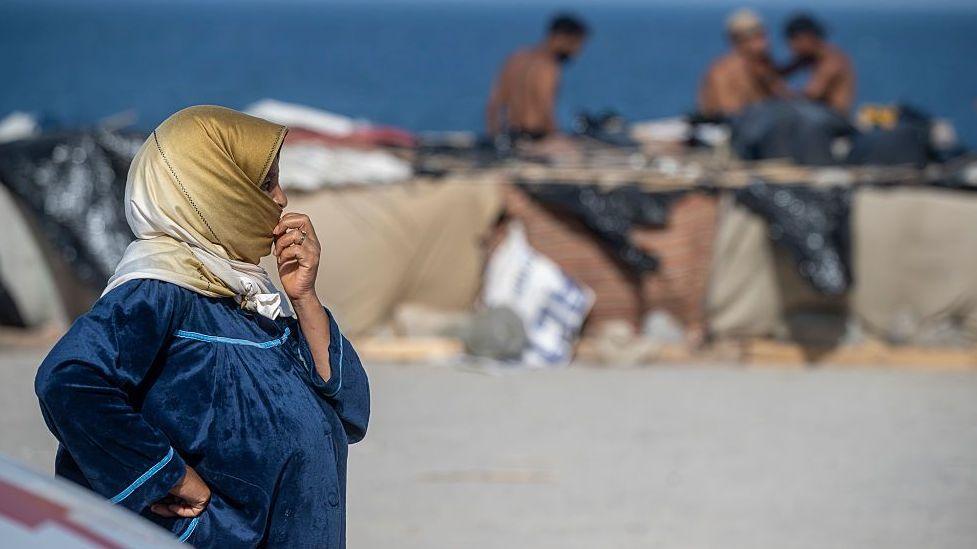
While most of the estimated 72,000 people who crossed were sent back, about 5,000 remain in Ceuta, a figure that incites unrest and complicates local law‑enforcement efforts. According to Rojas, between 1,400 and 1,600 of those still present are children. Suspected attackers include four Moroccans, three Spaniards and a Belgian.
Political Fallout
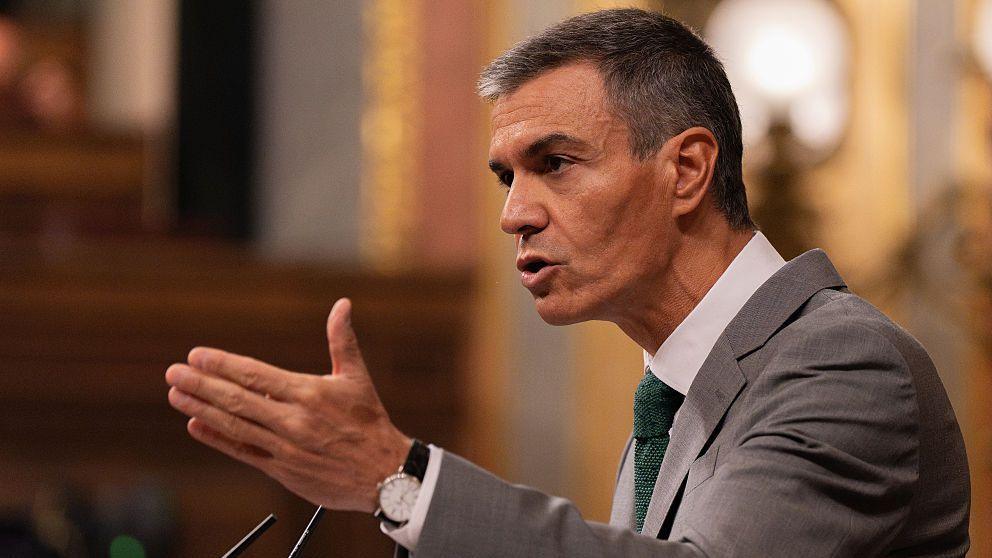
Prime Minister Pedro Sánchez convened the national security council to confront the issue, while his government announced a multi‑million‑euro aid package for essential services and care for unaccompanied minors. The governor of Ceuta, Juan Jesús Vivas, urged Spanish citizens to attend demonstrations in support of the city on its holiday, exacerbating the tensions between the city and the mainland.
Opposition parties argue that Sánchez has mis‑steered the crisis narrative, calling upon Spain to end the chaos once these people have been repatriated. Vox and the People's Party have decried the apparent lack of control, suggesting the Prime Minister has “handed over” the situation.
Disinformation and Diplomatic Woes
Sánchez has also accused disinformation campaigns – involving Russia, Israel and far‑right movements – of fueling the crisis. The Moroccan government denied any orchestration in the mass crossing, and both Russia and Israel dismissed Sanchez’s claims. The contention over who provokes the movement comes amid an ongoing dispute with Morocco over Ceuta’s status, with the King set to visit once conditions permit to assert Spanish sovereignty.