NEW YORK (OnPoint) — This is not the run-up to the midterm elections that Republicans had envisioned.
With President Trump overseeing a wartime presidency marked by escalating military conflicts and soaring energy prices, his party's approval ratings are faltering as voters prepare for the upcoming elections.
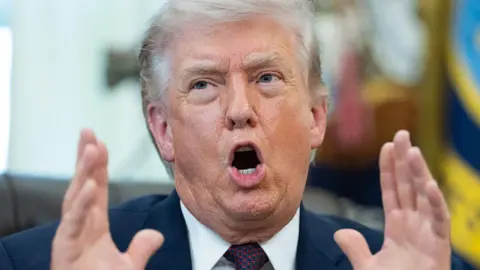
Trump's latest address, his first since the U.S. launched attacks in Iran, offered little clarity on the ongoing situation— oscillating between claiming imminent military victories and suggesting the conflict would continue. Thanks to the progress we’ve made, I can say tonight that we are on track to complete all of America’s military objectives shortly, very shortly, he said, which left many Americans confused about the direction of U.S. foreign policy.
With now only six months until voters take to the polls, the Republican leadership is increasingly anxious about retaining control of Congress amid a potential backlash from their base.
“You’re looking at an ugly November,” warned veteran Republican pollster Neil Newhouse. “At a point when we need every break possible to hold the House and Senate, our edge is being chipped away.”
The perspective among Republicans has shifted significantly over the past year. Many had anticipated they could retain their narrow House majority and maintain control of the Senate, yet current sentiment suggests they may lose the House, with Democrats positioned as serious contenders in the Senate.
Attempts to craft a clear midterm message concerning Iran have proven challenging for Republicans. Over the past month, the Republican National Committee has largely avoided the topic in communications with campaign surrogates. Efforts to discuss the issue have met with hesitancy from vulnerable candidates wary of publicly defending or contradicting Trump.
Despite the military escalation, Trump remains popular among Republican voters, as evidenced by supportive statements from figures like Sen. Lindsey Graham, who commended the president's recent speech as coherent and clear. However, concerns remain—polling indicates that about 60% of U.S. adults believe military actions have gone too far, creating the risk of a backlash against the party if the situation deteriorates further.
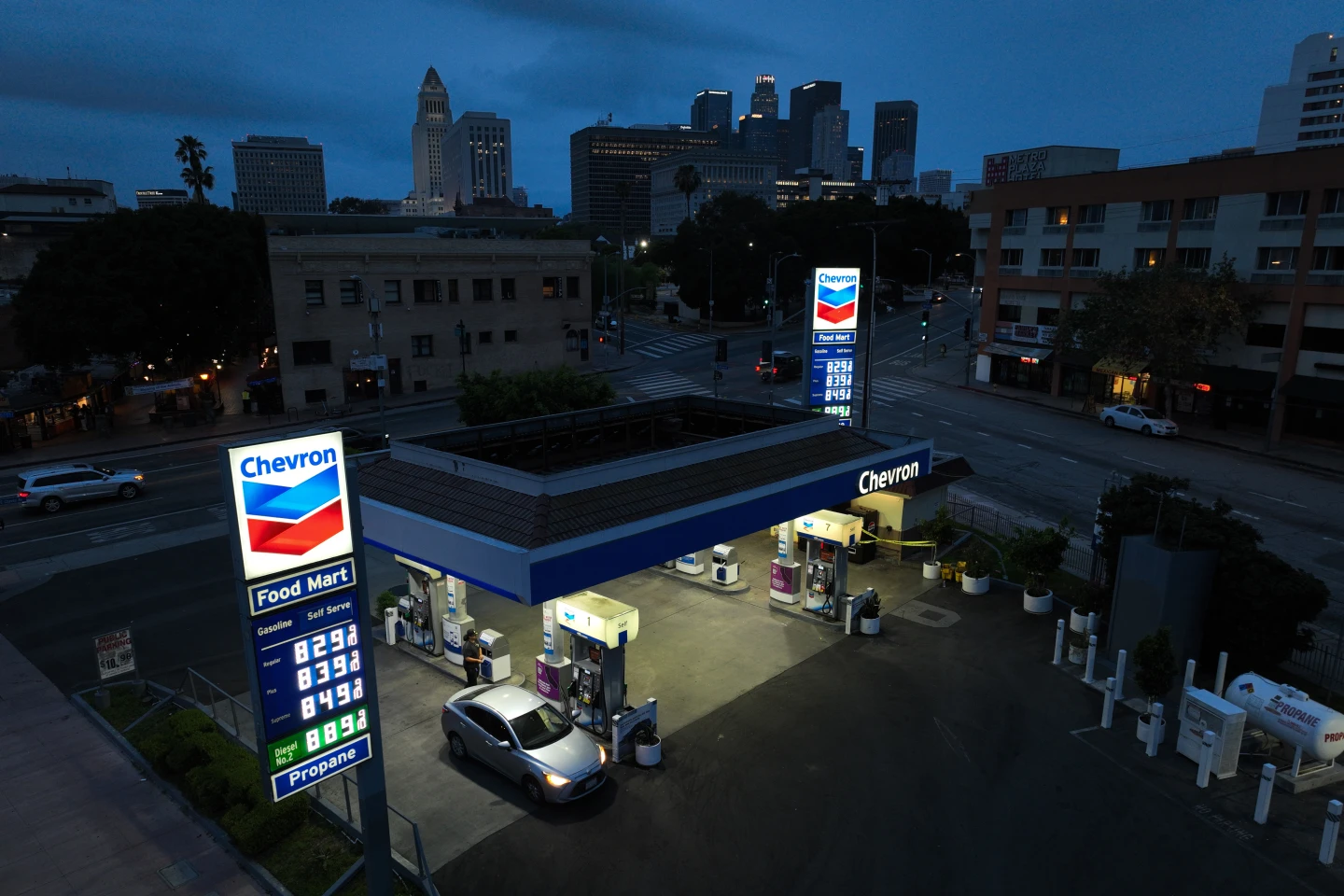
Rising gasoline prices, which recently reached an average of $4.08, have intensified the anxiety surrounding Trump's policies. Many believe that the economic ramifications of the war may further alienate voters.
As they navigate an increasingly complex political landscape, Republican leaders face the pressing challenge of regaining voter trust while contending with growing discontent regarding national priorities and foreign engagement.