President Donald Trump's address from the White House on Wednesday evening was - despite some speculation beforehand - largely a rehash of what he has been saying for days about the Iran war.
In a 20-minute primetime speech, he asserted that the core strategic objectives of the US-Israeli military operation were nearing completion after a month of conflict, projecting that the war would last another two to three weeks.
Threats against Iran featured prominently in his address, including a promise to bomb the country back to the stone age. If you were to copy and paste his posts on Truth Social over the last week, you would not be far off this address to the nation.
Trump attempted to persuade Americans about the merits of the war, addressing the stark reality that polls reflect a consistent majority disapproving of the military operation he initiated on February 28. He urged the public to view the war as an investment in their future, suggesting it was trivial compared to other prolonged conflicts that the U.S. has faced.
However, many crucial questions remained unanswered post-address. Notably, there was ambiguity regarding Israel's agreement with the proposed timeline of a few more weeks, as well as the status of a previously mentioned 15-point peace plan that had urged Iran to accept negotiations.
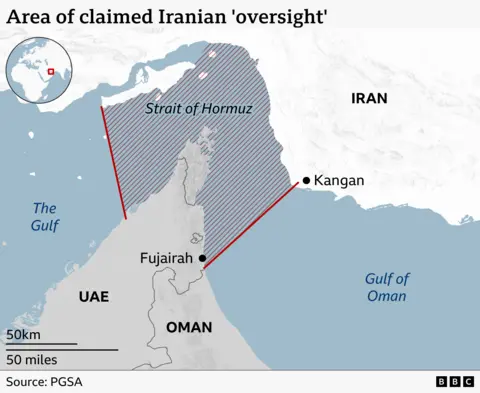
The reopening of the Strait of Hormuz, a vital oil shipping channel effectively closed off by Iran, was mentioned, but Trump's inconsistent messaging left concerns regarding oil prices unresolved. At one point, he urged allies to take over the protection of the strait, contradicting his administration's previous commitments.
Additionally, the role of deployed U.S. troops in the region remains ambiguous, with Trump providing inadequate clarity on what constitutes victory in this conflict.
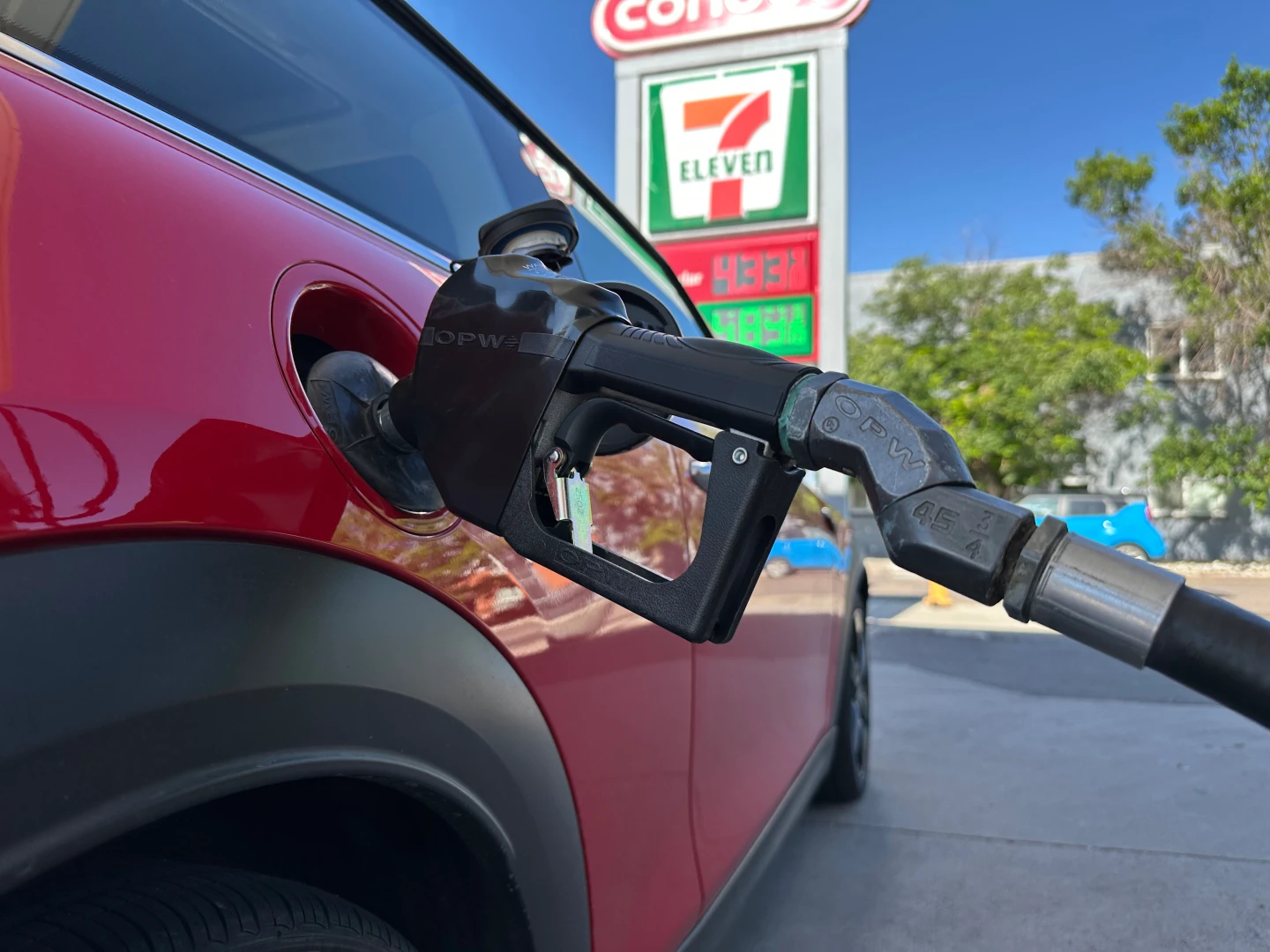
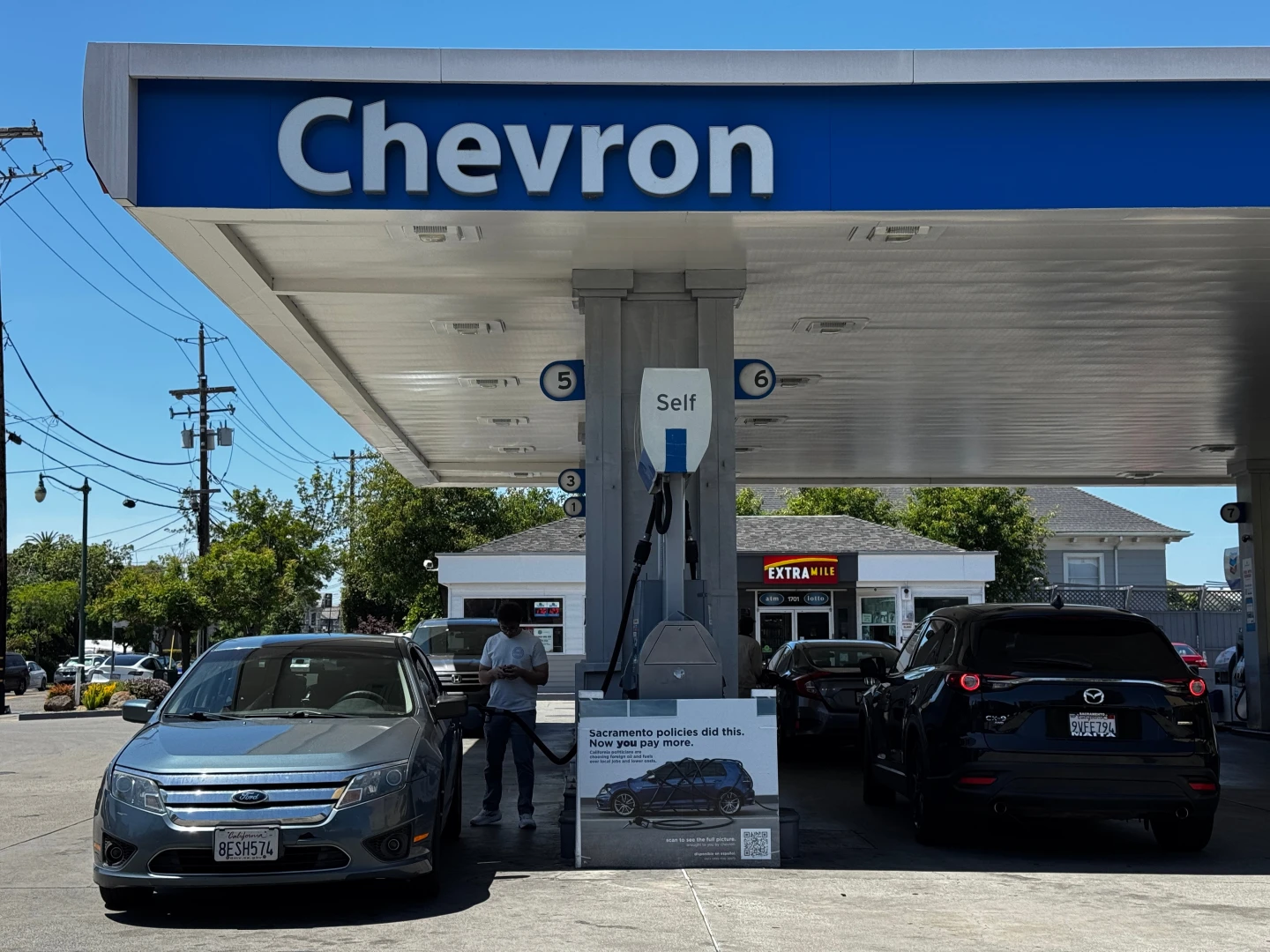
As the average price of gas in the U.S. climbs above $4 for the first time in nearly four years, the implications of these dynamics loom large ahead of the crucial midterm elections, raising the stakes for Trump's presidency as he seeks a way out of the ongoing war.
In a 20-minute primetime speech, he asserted that the core strategic objectives of the US-Israeli military operation were nearing completion after a month of conflict, projecting that the war would last another two to three weeks.
Threats against Iran featured prominently in his address, including a promise to bomb the country back to the stone age. If you were to copy and paste his posts on Truth Social over the last week, you would not be far off this address to the nation.
Trump attempted to persuade Americans about the merits of the war, addressing the stark reality that polls reflect a consistent majority disapproving of the military operation he initiated on February 28. He urged the public to view the war as an investment in their future, suggesting it was trivial compared to other prolonged conflicts that the U.S. has faced.
However, many crucial questions remained unanswered post-address. Notably, there was ambiguity regarding Israel's agreement with the proposed timeline of a few more weeks, as well as the status of a previously mentioned 15-point peace plan that had urged Iran to accept negotiations.
The reopening of the Strait of Hormuz, a vital oil shipping channel effectively closed off by Iran, was mentioned, but Trump's inconsistent messaging left concerns regarding oil prices unresolved. At one point, he urged allies to take over the protection of the strait, contradicting his administration's previous commitments.
Additionally, the role of deployed U.S. troops in the region remains ambiguous, with Trump providing inadequate clarity on what constitutes victory in this conflict.
As the average price of gas in the U.S. climbs above $4 for the first time in nearly four years, the implications of these dynamics loom large ahead of the crucial midterm elections, raising the stakes for Trump's presidency as he seeks a way out of the ongoing war.